Subscribe to our newsletter
The Kanji Museum & Library
-
-
COMPARTILHE:
Compartilhar no Whatsapp
Compartilhar no Facebook
Compartilhar no Linkedin
JHSP Online
18.01.2021

The Kanji Museum & Library

Compartilhar no Whatsapp
Compartilhar no Facebook
Compartilhar no Twitter
Compartilhar no Linkedin
18.01.2021

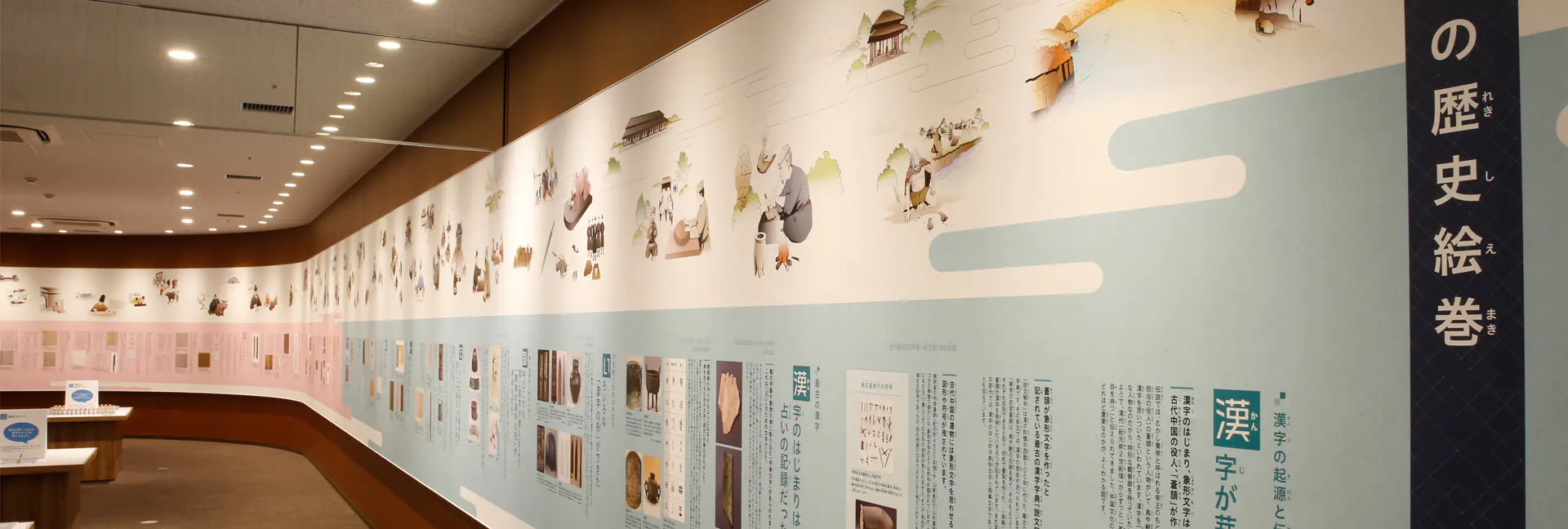
The Kanji Examination and Proficiency Society has held a popular vote to choose the kanji of the year ever since 1995. Chinese in origin, ideograms have undergone a series of changes over the centuries, evolving into what today is one of the four writing systems used in Japan. Kanji is so important for the country that it not only gives an election its name, but also has a place that houses and details its rich history, the Kanji Museum & Library in Kyoto.

It was almost instantaneous: After skateboarding was announced for the Olympics, names of the likes of Yuto Horigome and Aori Nishimura became not only respected athletes, but also hopes for an Olympic medal. They are poster boys for advertisements, and inspire young people from all regions. Several skateboarding parks have been built by Japan, in particular in small towns and outlying neighborhoods. It is common for mothers and fathers to enroll their children in skateboarding classes and even to hire coaches to help them compete.

One of the busiest new tracks in the Japanese capital is the Komazawa Olympic Park, which is five minutes away from the Komazawa University subway station, a region concentrating a lot of students. There, the city has installed five wooden mini-ramps and a few obstacles, such as boards, handrails, and cones. Thus, skaters can practice two of the categories featured in the Olympic competition: Street, in which they make maneuvers on handrails, stairs, and other city objects, and park, which involves jumping and aerial maneuvers, usually in the so-called bowls, which resemble empty pools, and on U-shaped ramps, also known as half-pipes.

+ Learn more about the Tokyo Olympic and Paralympic Games: The Most Technological Competition in History..

Older Tokyo skateboarders, however, prefer the traditional Tamachi Park, a track that has been around for more than 20 years. All professional skateboarders in the country, famous or not, have been there at some point, but they also take their chances on other, less popular tracks. There are hype scenes in the cities of Urayasu, Kawaguchi, and Yokohama, all well served with places for maneuvering and getting together.

+ See also the Japanese Ryogoku Kokugikan stadium: Home of the Heavyweight

Life is not the easiest for skateboarders in places where there are no tracks, though. One factor that makes practicing the sport difficult is that many Japanese cities tend to be busy during business hours, which, for many, is an invitation to accidents. For this reason, many skaters only ride their skateboards on isolated streets at dawn, and always in groups, to support each other. Collectivity seems to be the skateboarders’ great asset in Japan – and all around the world.

JHSP arrives first in your inbox!

Fortnightly, you will receive information about our online events, know more about current and future exhibitions, access exclusive content about architecture, culture, gastronomy, business, literature, technology, tourism… And much more!

Subscribe to the JHSP newsletter (in Portuguese) and learn more about the fascinating Japan of today with just a few clicks!

ADDRESS

Avenida Paulista, 52
Bela Vista – São Paulo / SP
Tel.: +55 11 3149-5187

OPENING HOURS

Tuesday to Friday | from 10:00 AM to 6:00 PM
Saturdays, Sundays, and holidays | from 10:00 AM to 7:00 PM
Monday* | CLOSED

Contact

[email protected]
+55 11 3149.5187

Digital Content
© JAPAN HOUSE SÃO PAULO