Subscribe to our newsletter
WAVE – New Trends in Japanese Graphic Arts
-
-
SHARE:
Compartilhar no Whatsapp
Compartilhar no Facebook
Compartilhar no Linkedin
exhibition closed
22/02/2022 - 01/05/2022

WAVE – New Trends in Japanese Graphic Arts

Compartilhar no Whatsapp
Compartilhar no Facebook
Compartilhar no Twitter
Compartilhar no Linkedin
exhibition closed
22/02/2022 - 01/05/2022

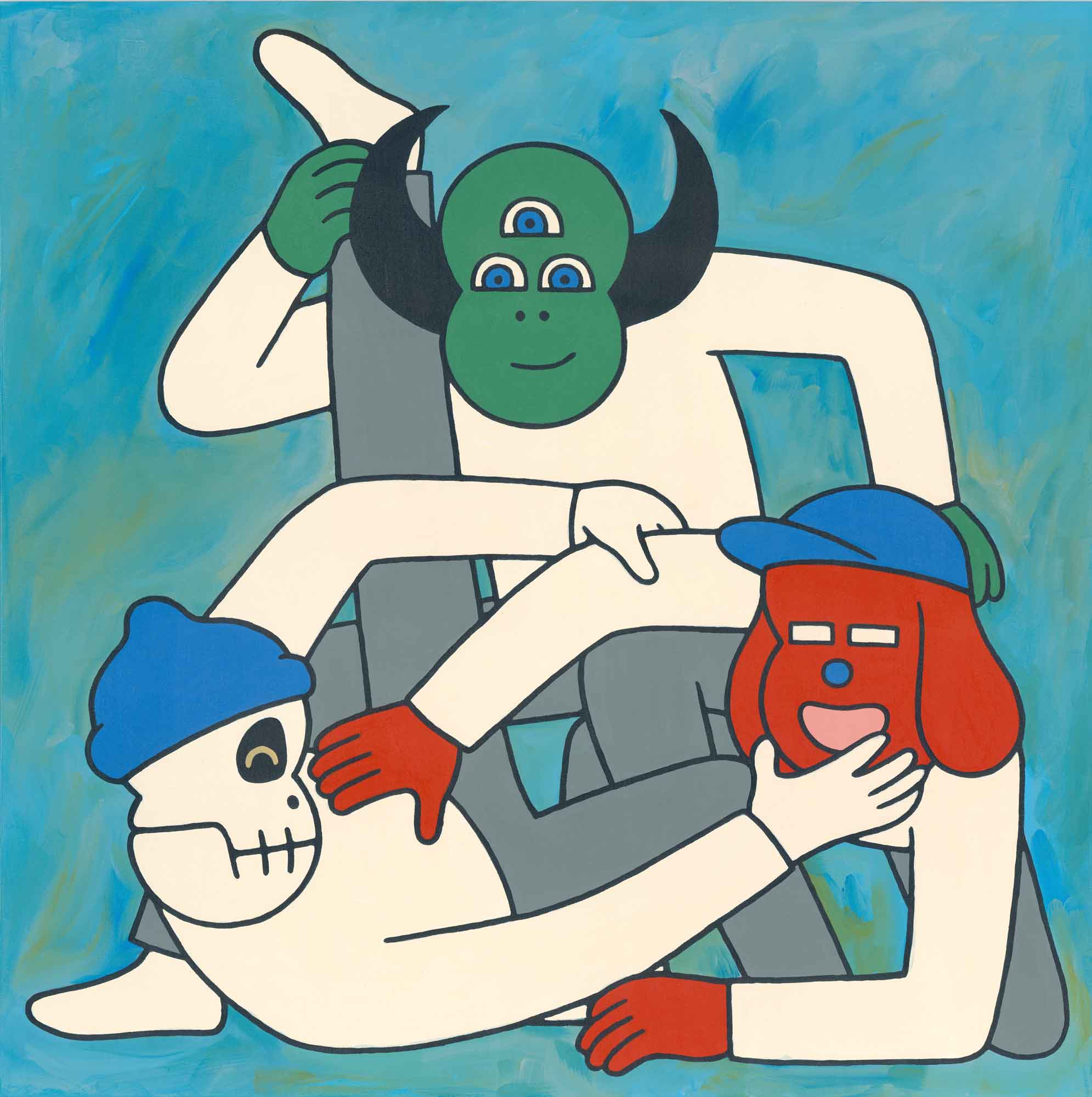
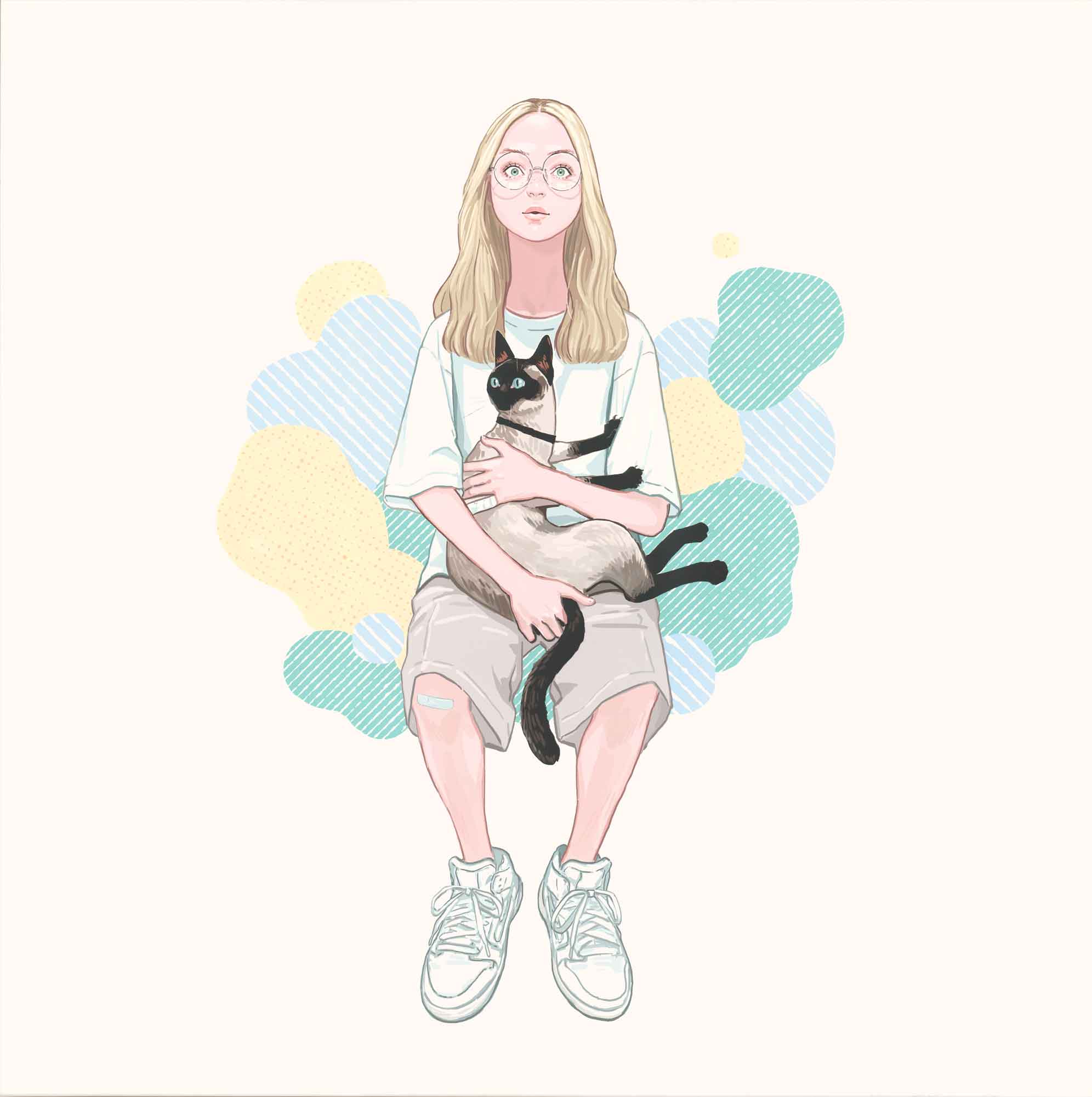
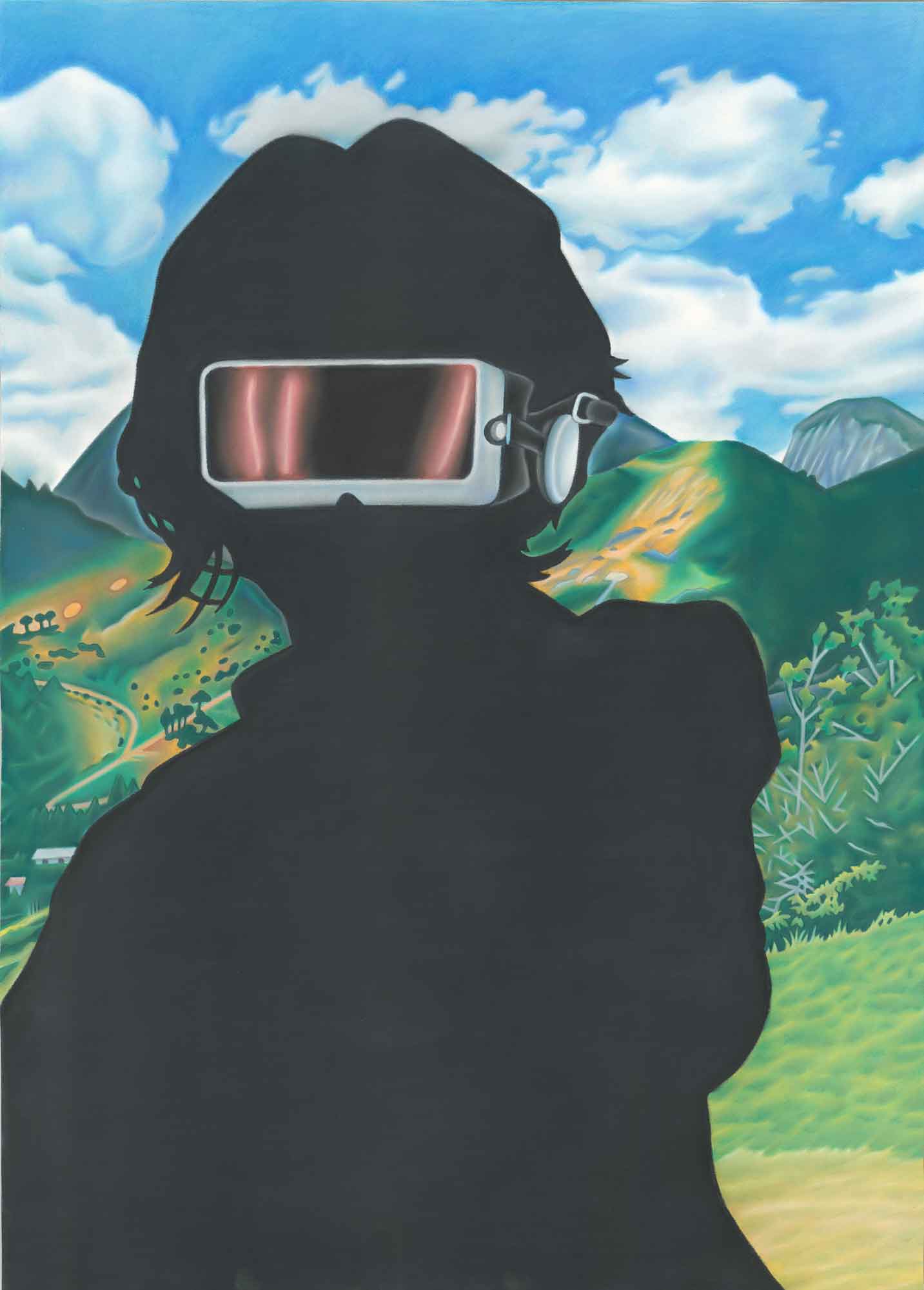
The exhibition presents the panorama of modern Japanese graphic arts and illustrations, bringing together work by pioneering and young artists who are prominent in the current scenario

Visit the exhibition with the virtual tour 360º

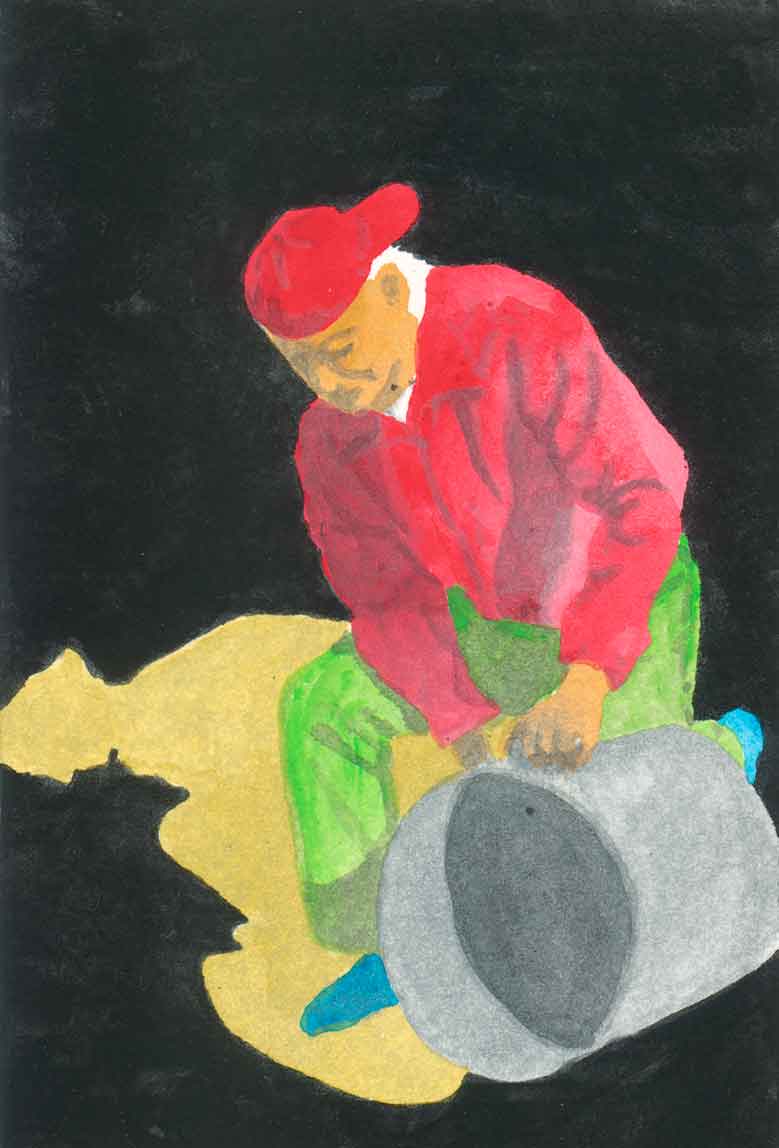
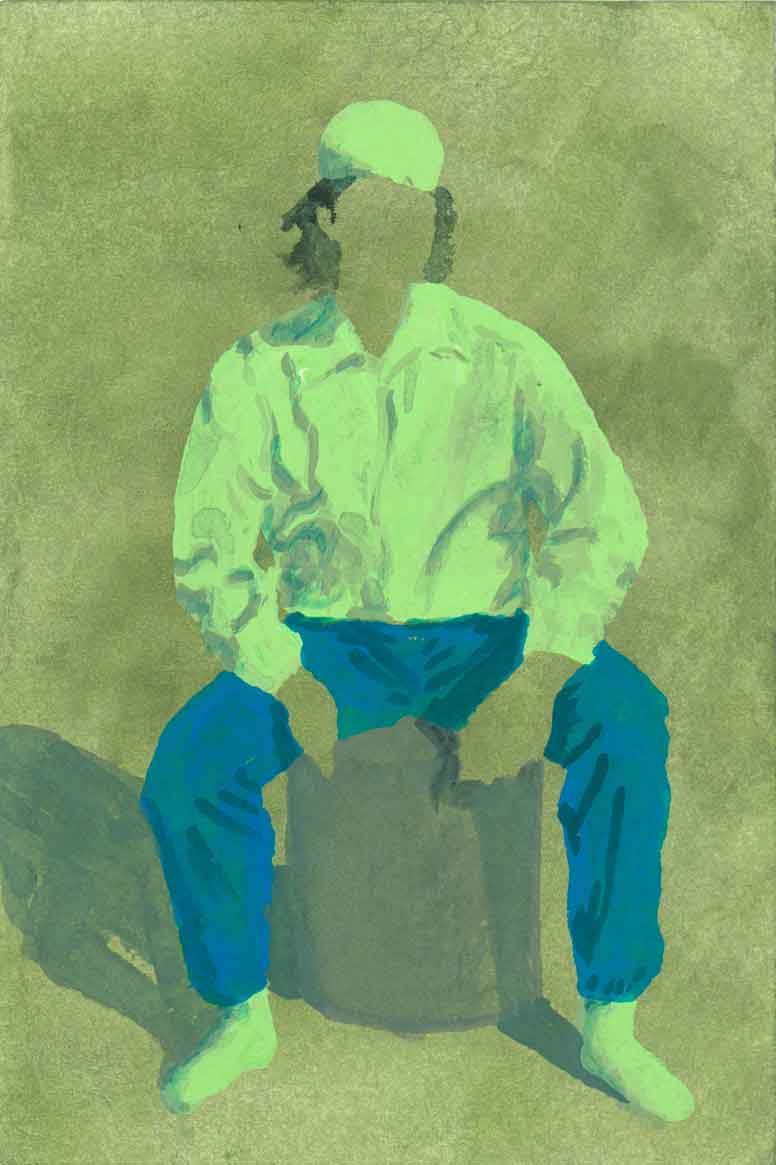
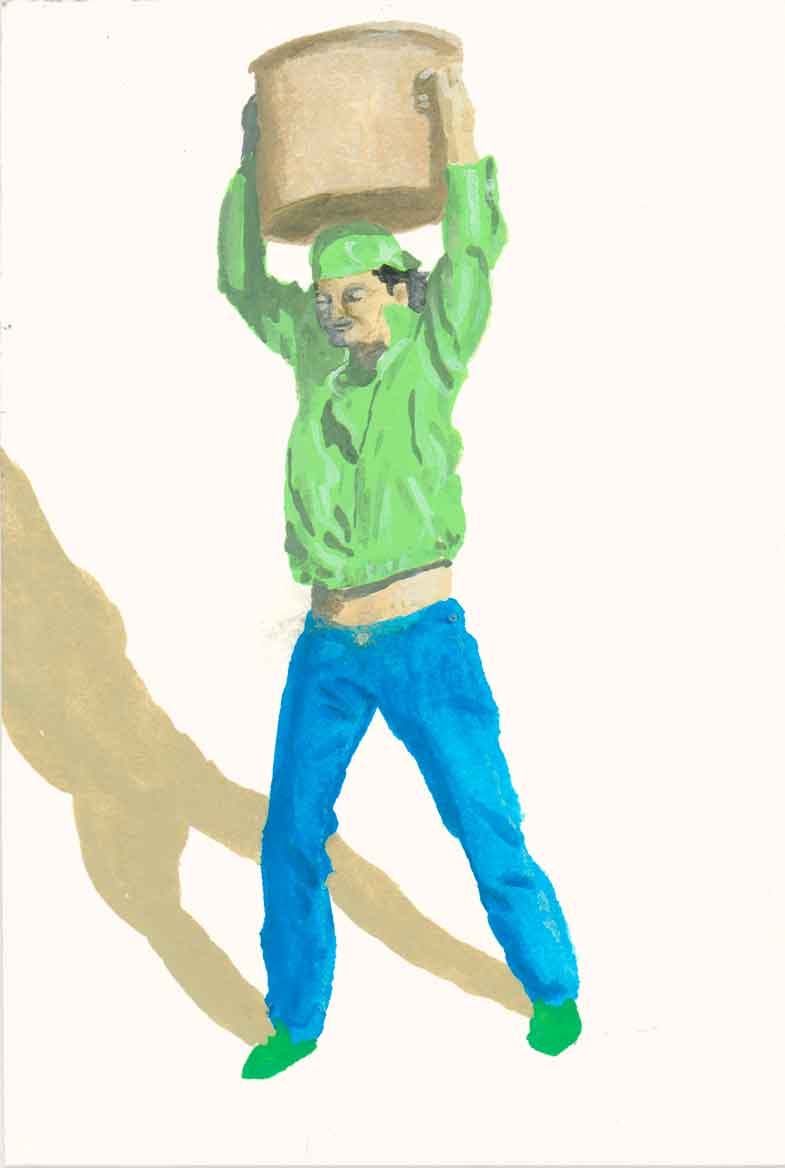
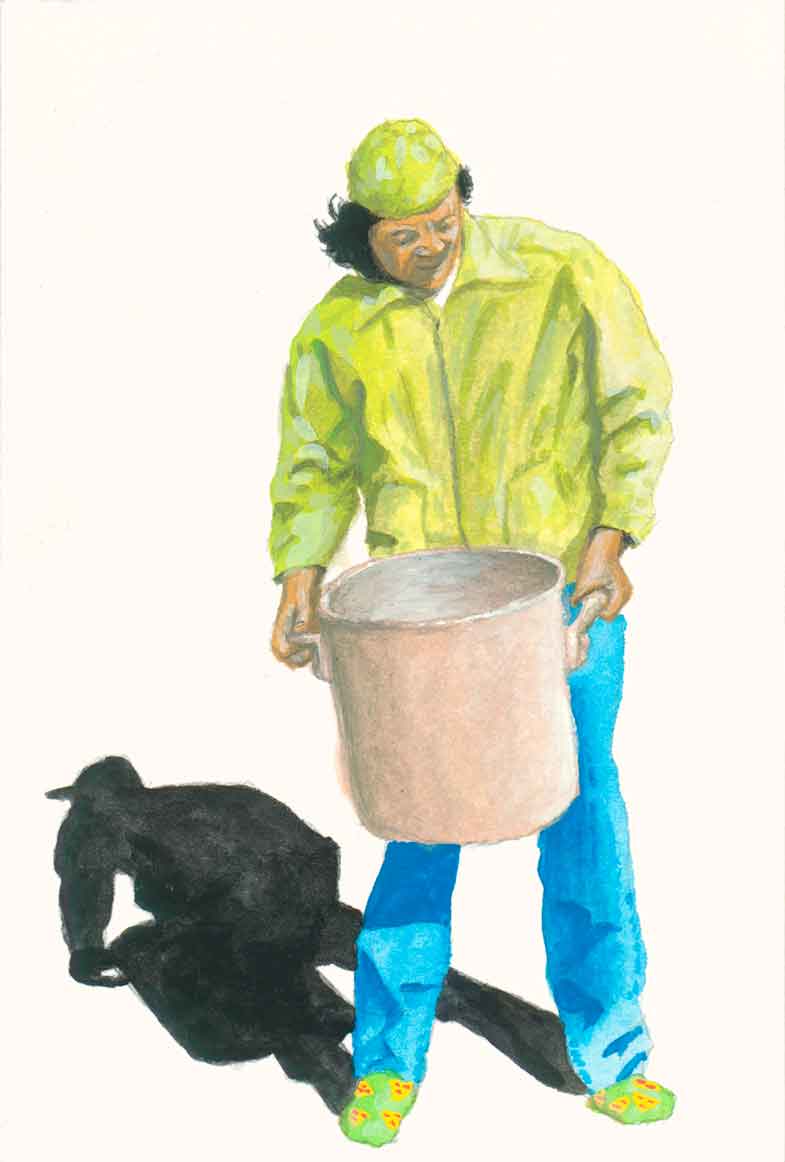
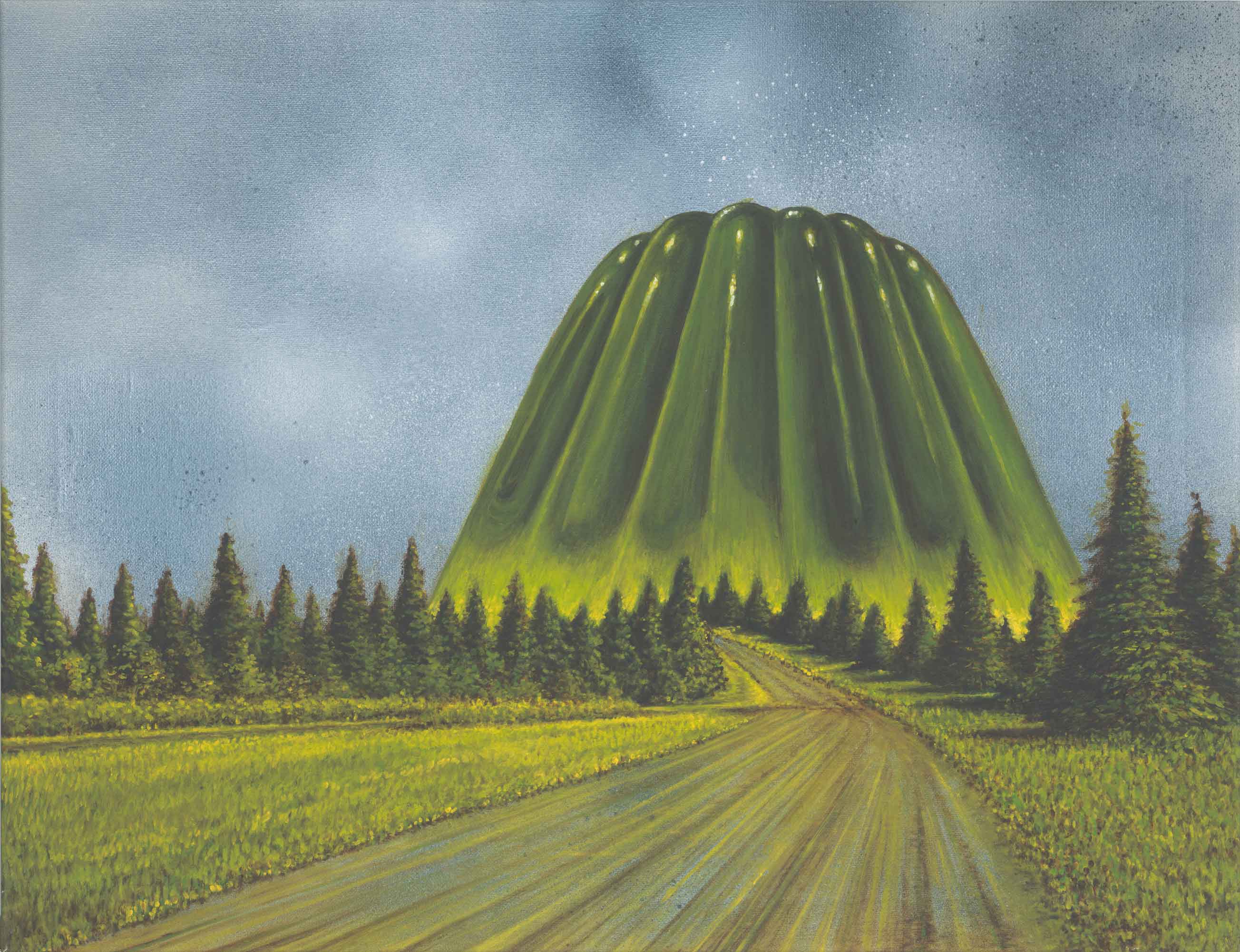
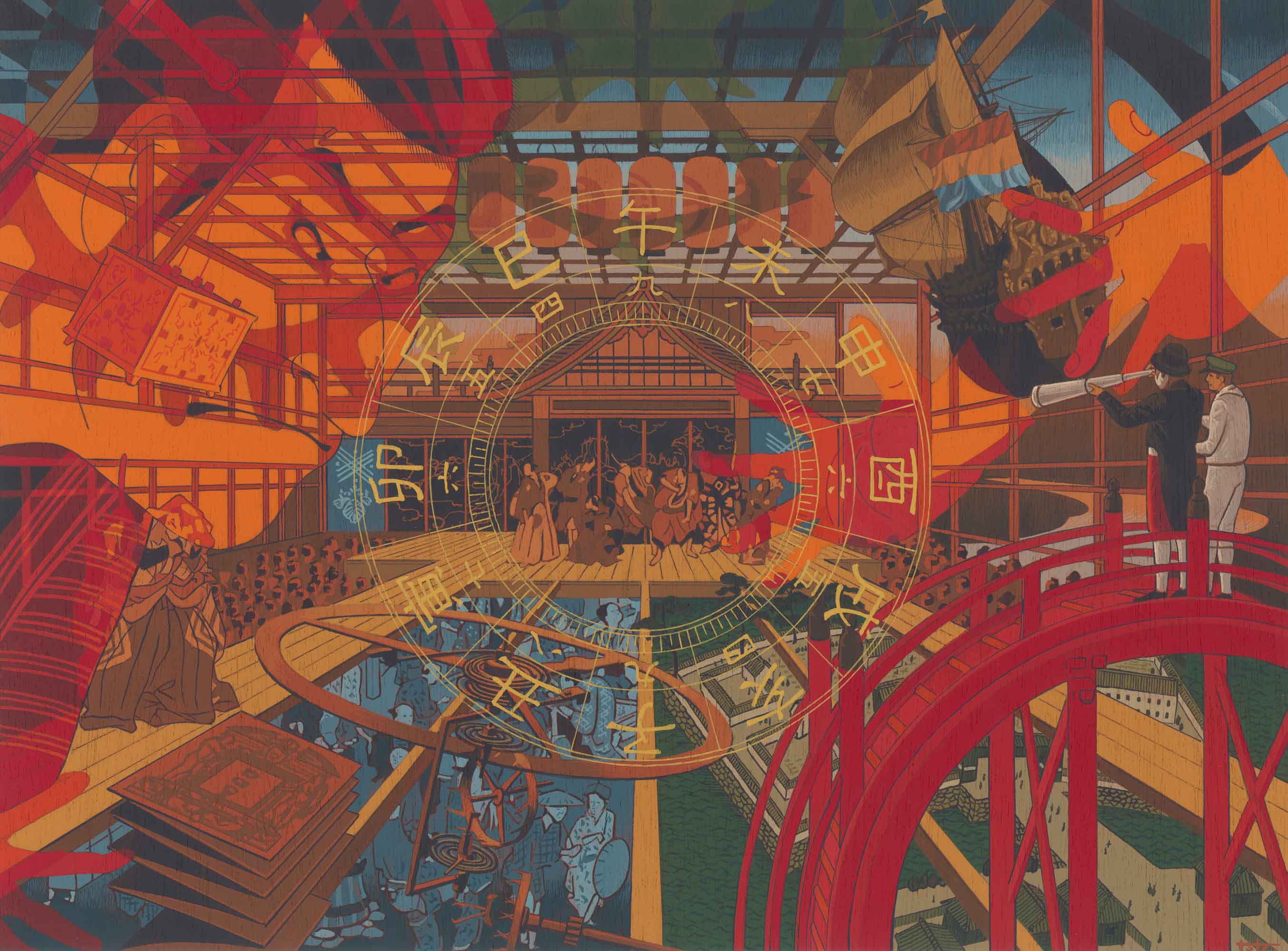
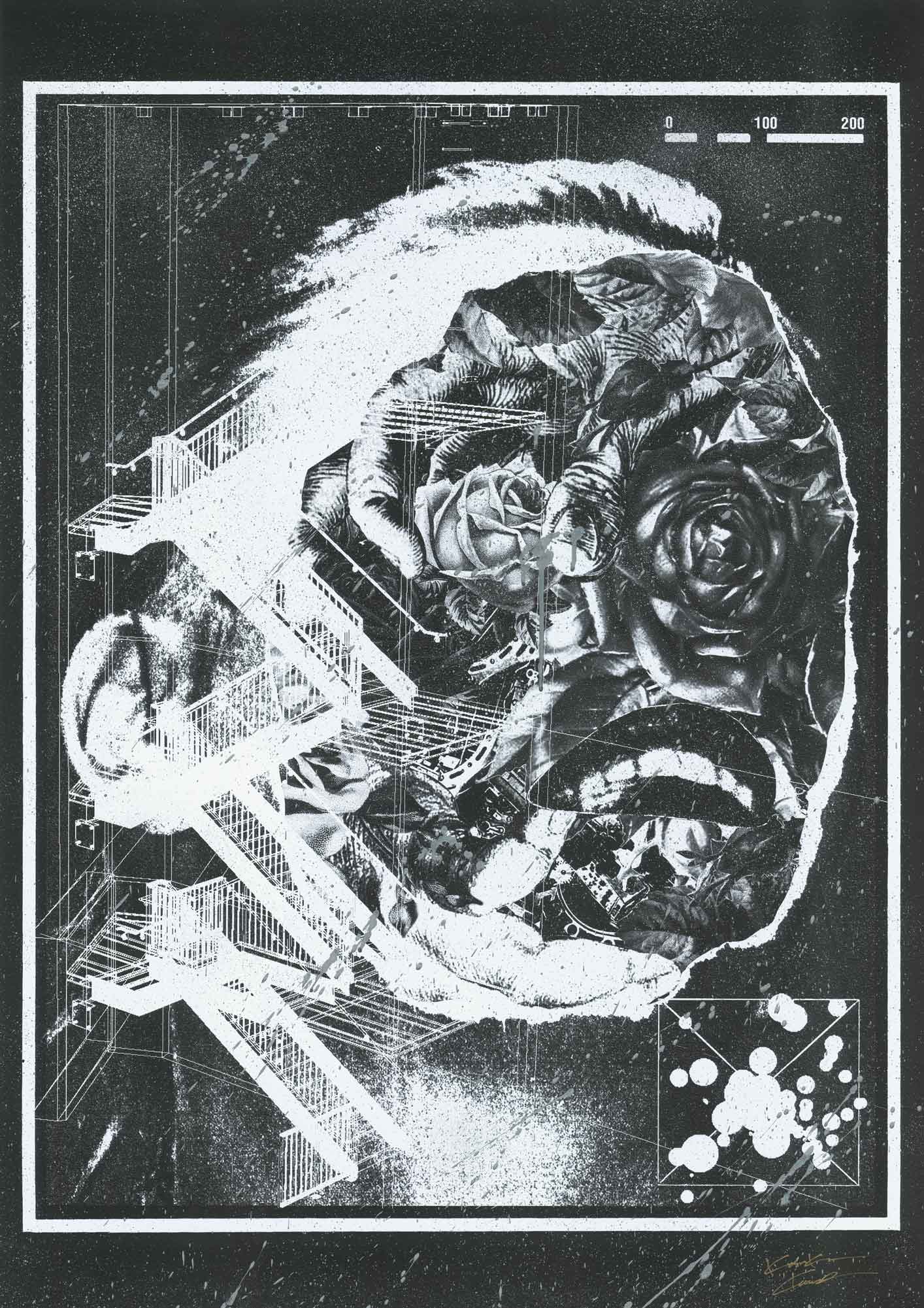
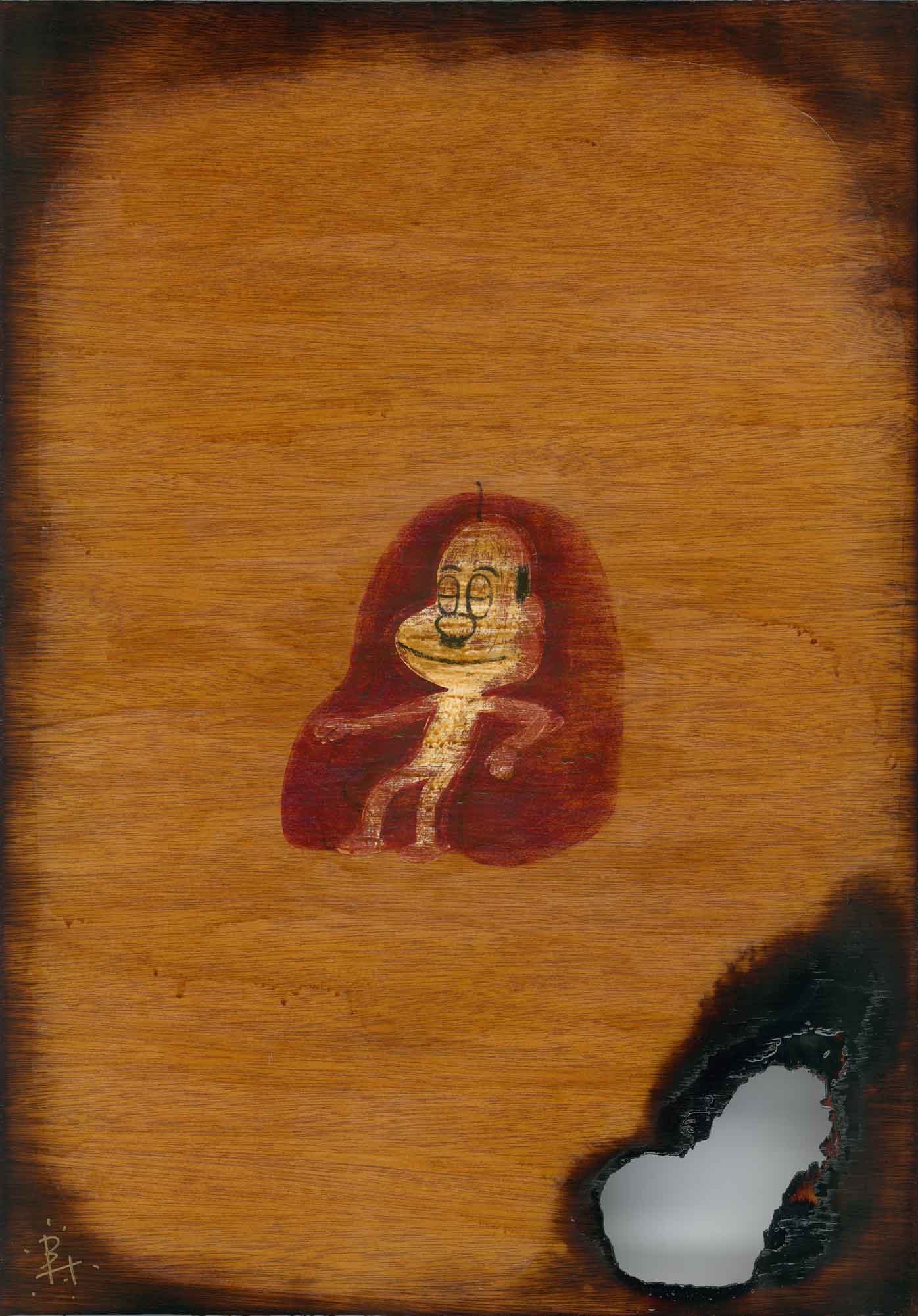
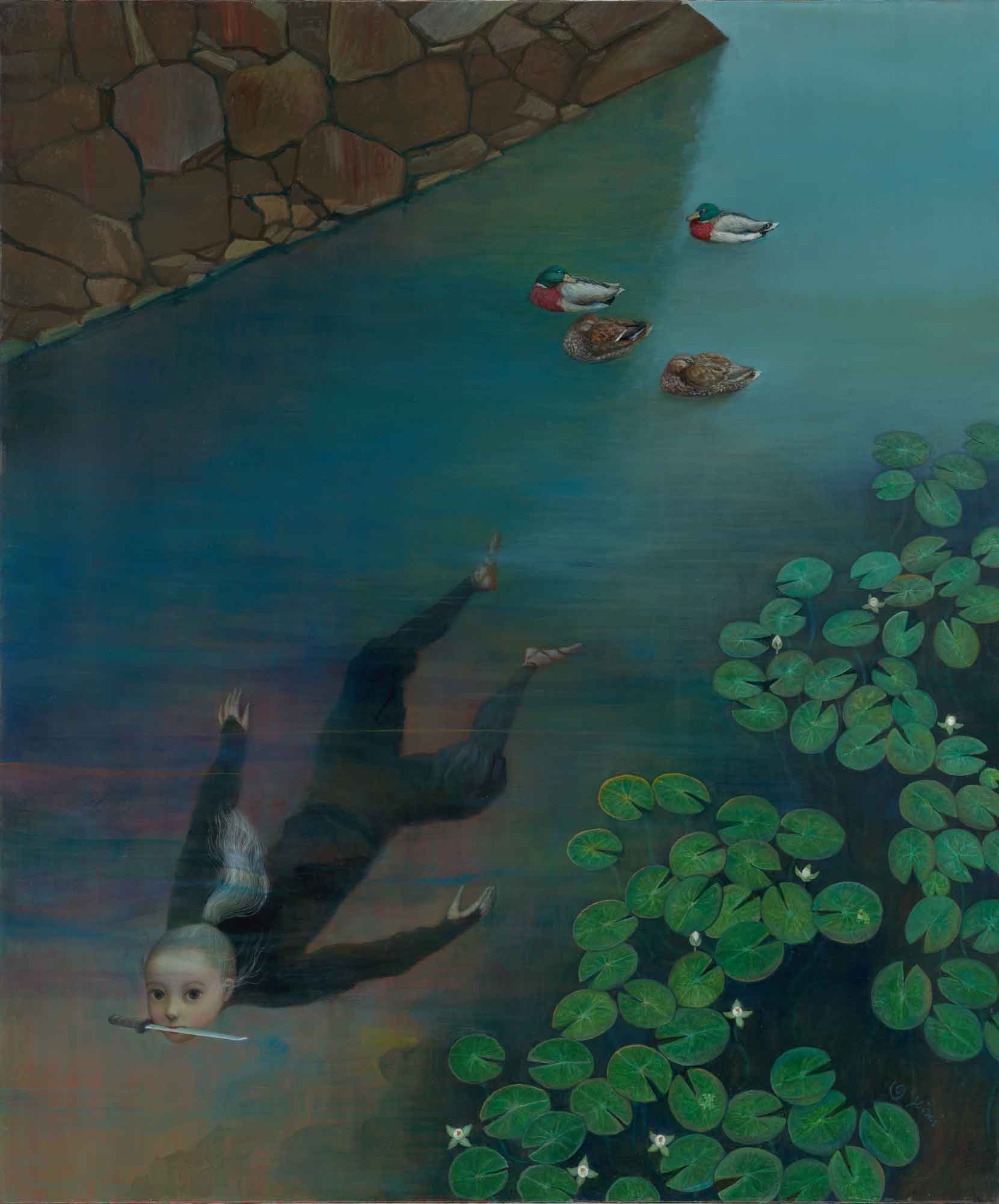
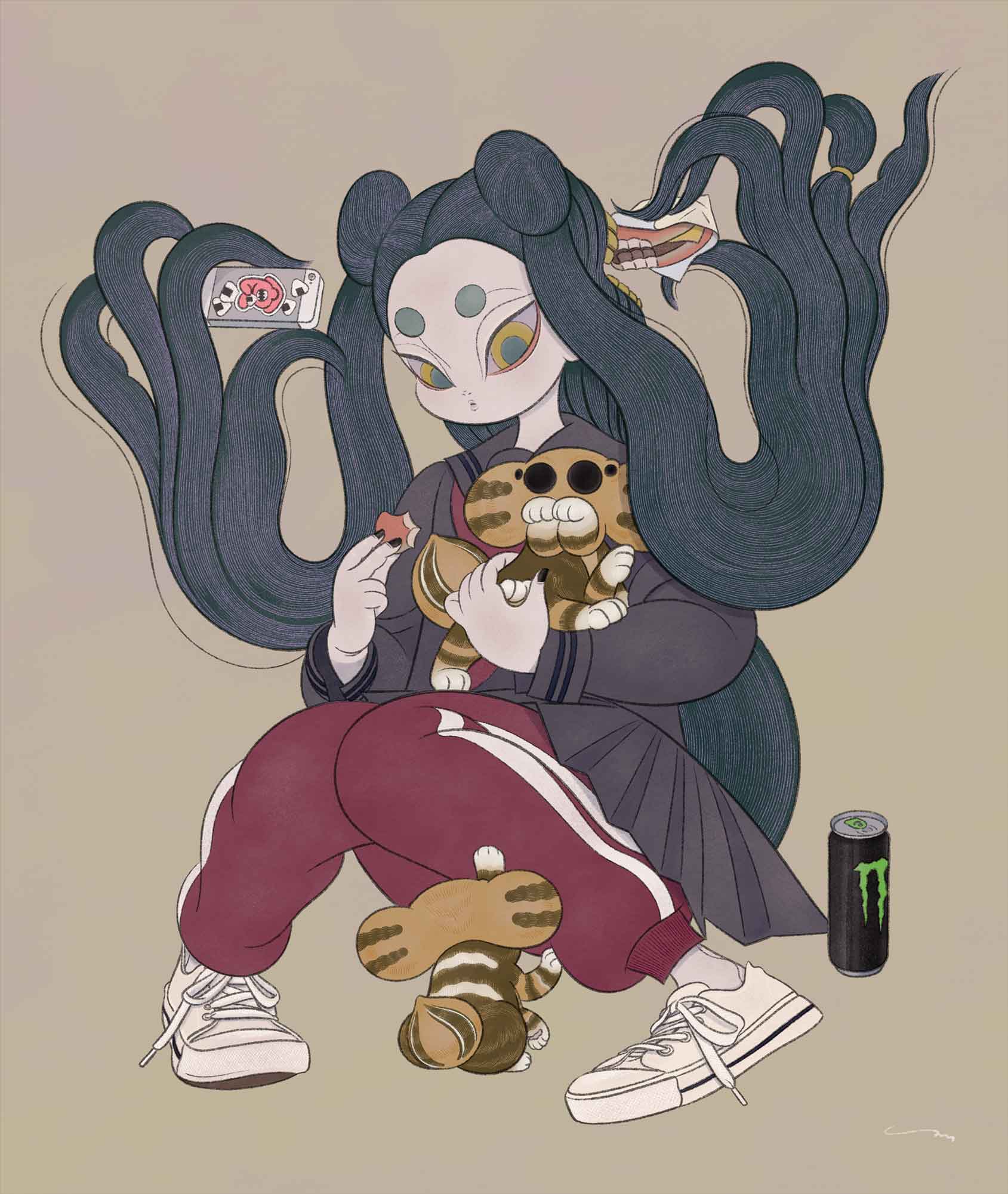
From February 22 to May 1Japan House São Paulo showcases works by 55 Japanese illustrators and graphic artists at the exhibition “WAVE – New Trends in Japanese Graphic Arts”. With free admission and a first in Brazil, the exhibition presents an overview of the major graphic artists working in Japan today – many of whom are still unknown abroad – who produce works in several distinctive styles and themes, not only in the traditional arts scene, but also in manga, animation, and advertising.

Curated by the artists Kintato Takahashi and Hiro Sugiyama – who will also have their works exhibited on the second floor of the institution on Avenida Paulista –, the exhibition is based on WAVE, which has been held annually in Tokyo since 2018 and aims to present the work of the main names active in the country.

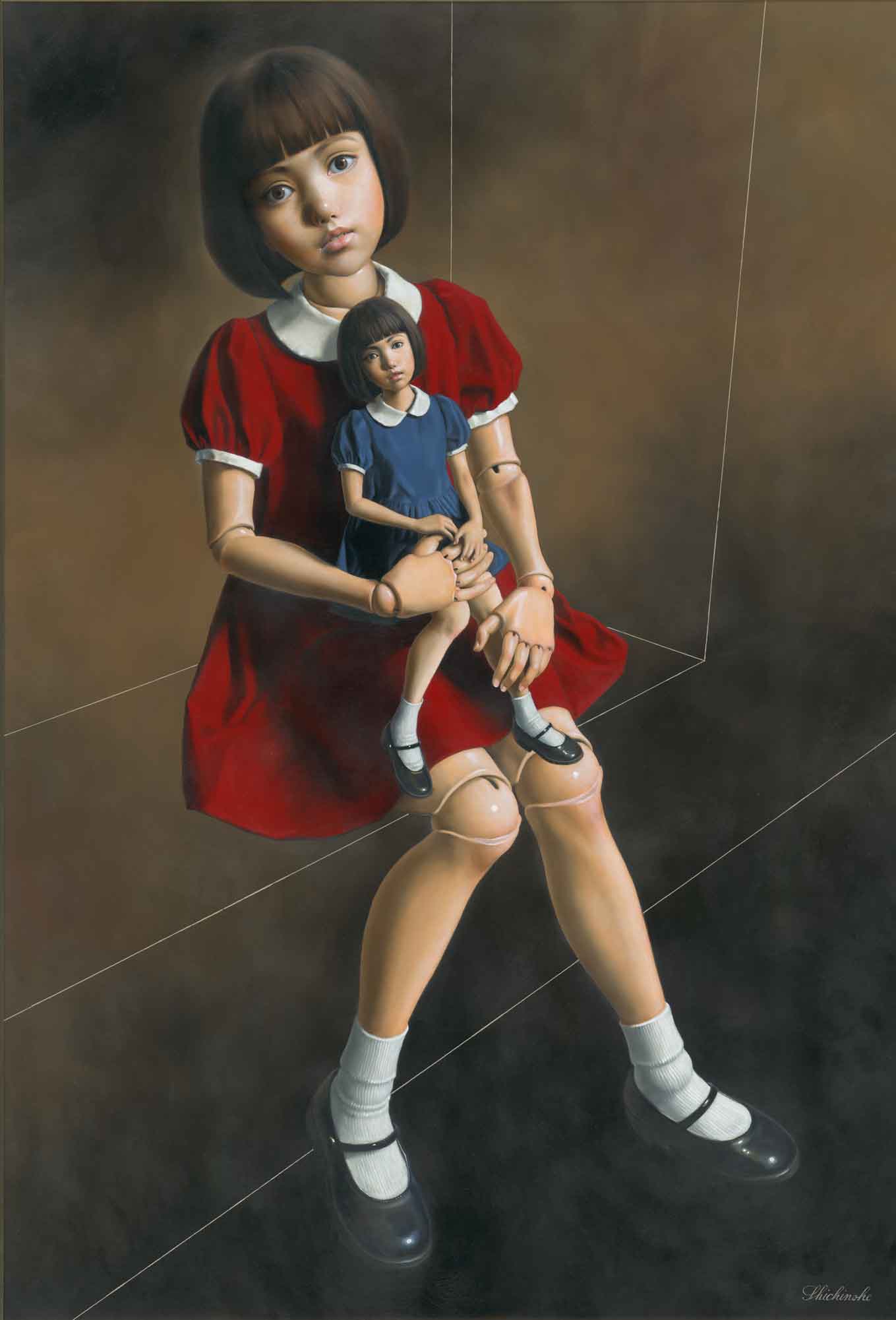
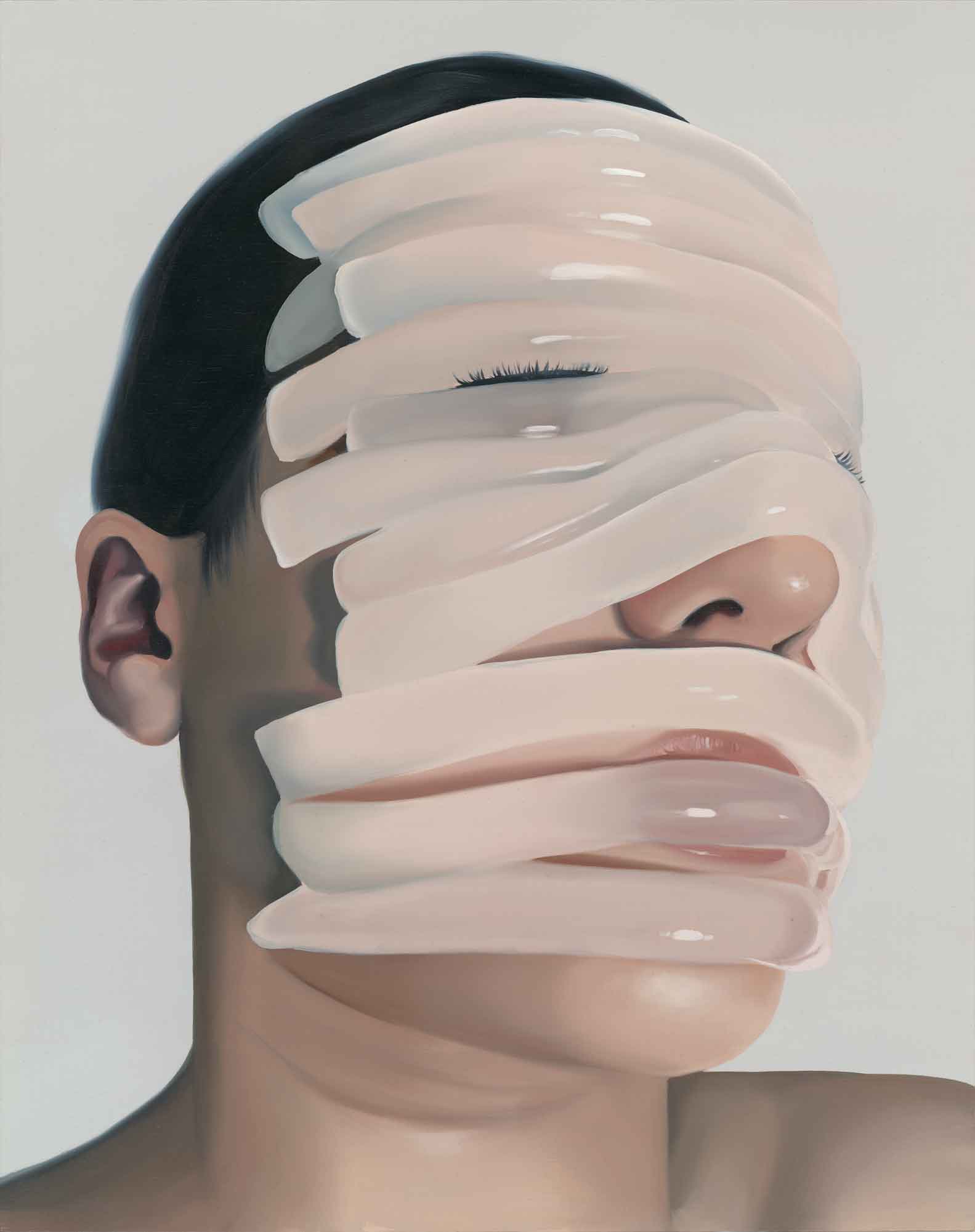
The selection made for the exhibitions held at Japan House presents the rich and varied work of these artists, showing how their creations for books, magazines, animations, posters, and other platforms go far beyond manga and anime, which the Brazilian audience is already familiar with. In the selection, renowned artists, some celebrated for founding artistic movements, such as Teruhiko Yumura (1942), Akira Uno (1934), and Keiichi Tanaami (1936), are alongside young promises such as Masanori Ushiki (1981) and Mayu Yukishita (1995). The themes featured at the exhibition range from the Japanese folklore-inspired characters of Ayako Ishiguro (1973), the shiny summer landscapes of Hiroshi Nagai (1947), to the haunting portraits of Masaru Shichinohe (1959).

AC-bu
O sorriso do GOLFINHO chamado GOLFINHO
O sorriso do GOLFINHO chamado GOLFINHO, de AC-bu
Suzy Amakane
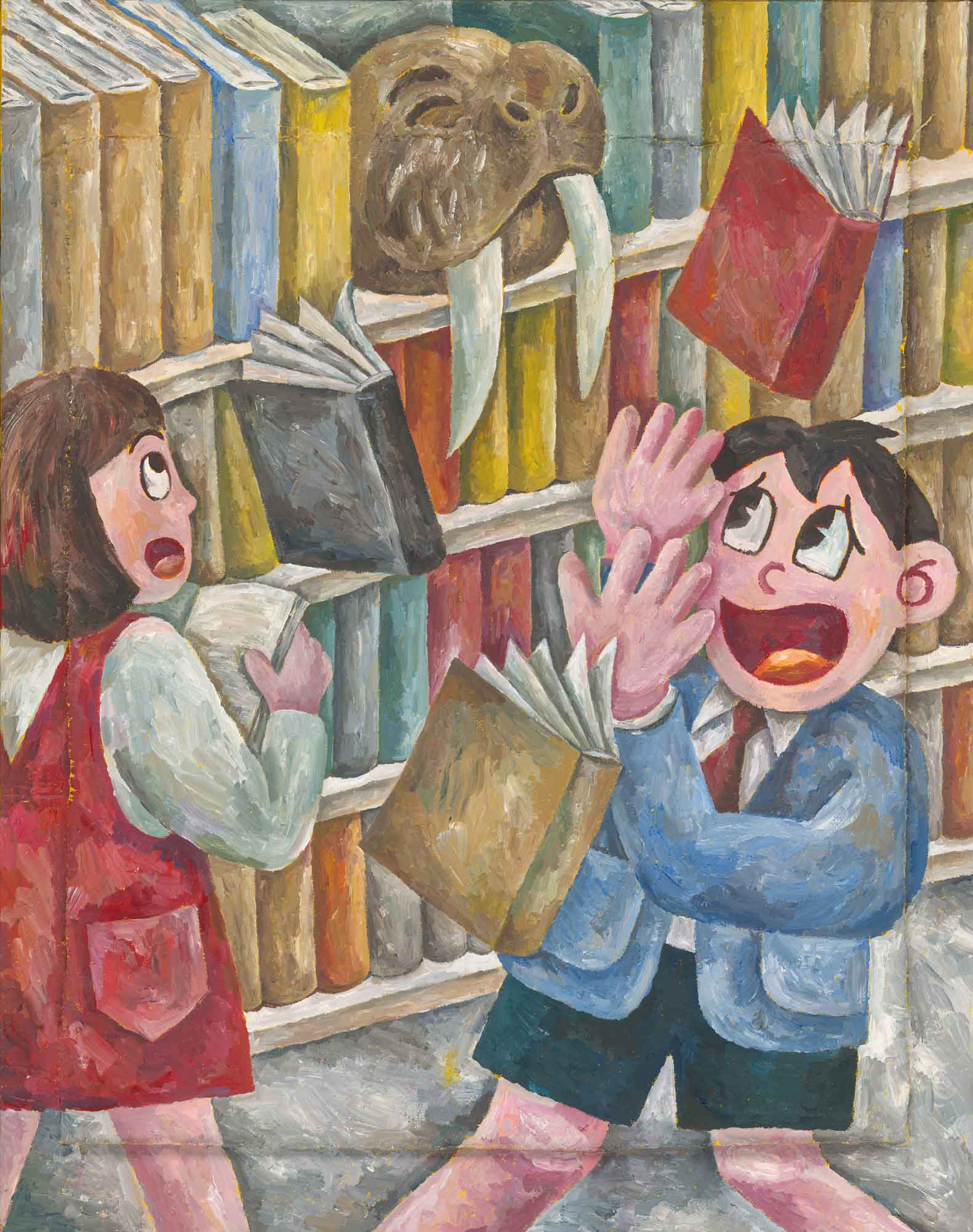
A morsa da estante
A morsa da estante, de Suzy Amakane
Izuru Aminaka
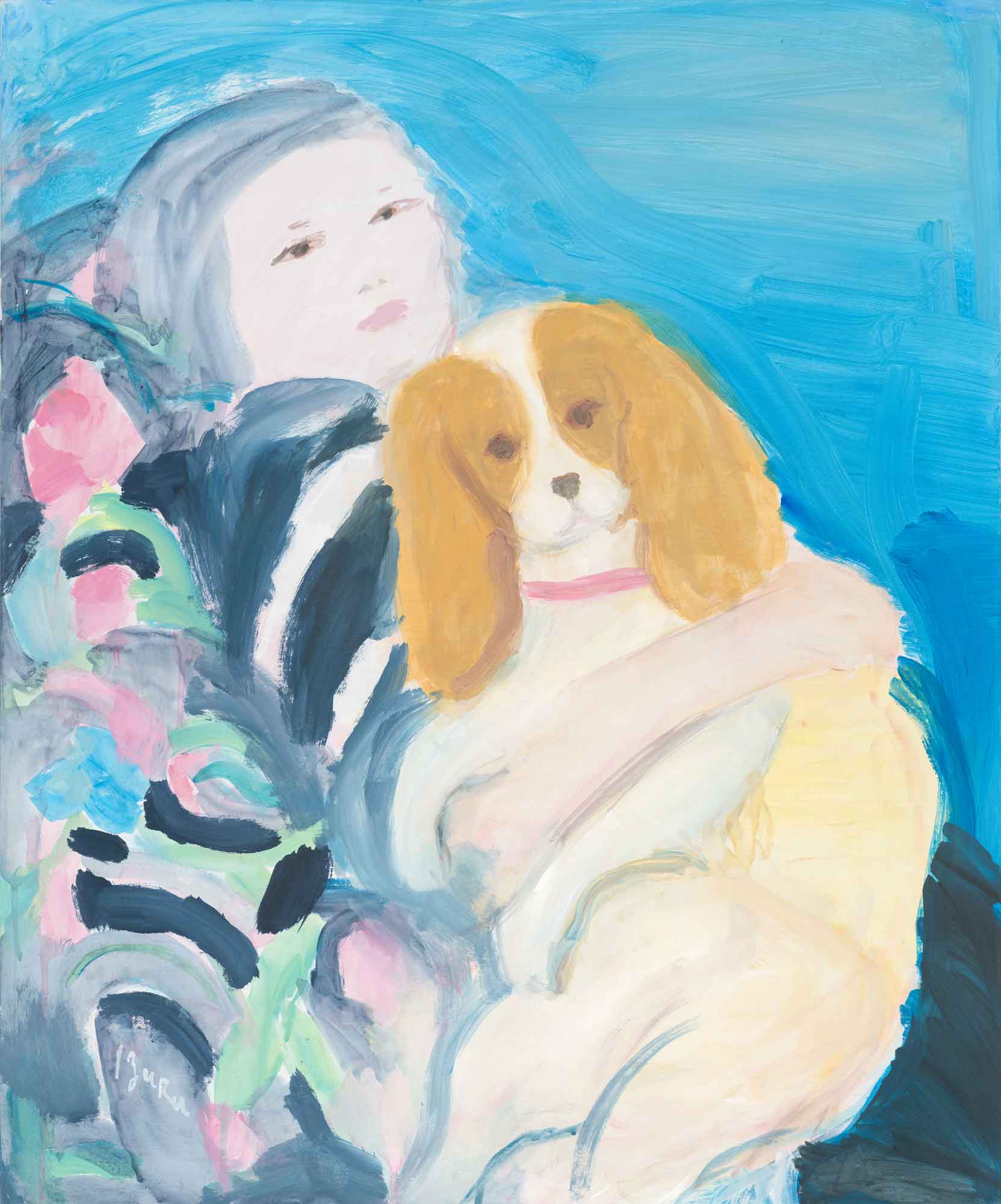
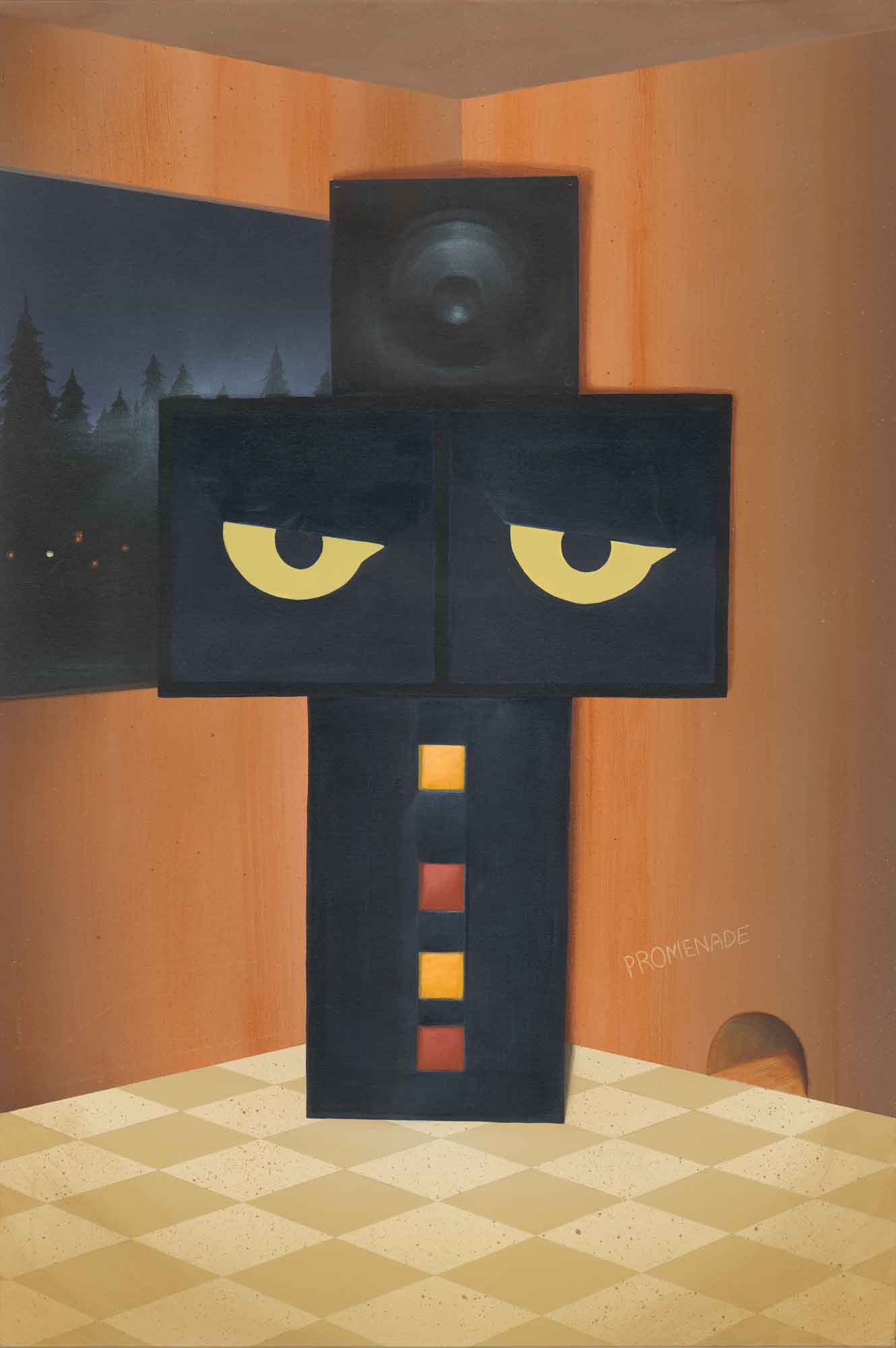
Cavalier
Cavalier, de Izuru Aminaka
Ryoji Arai
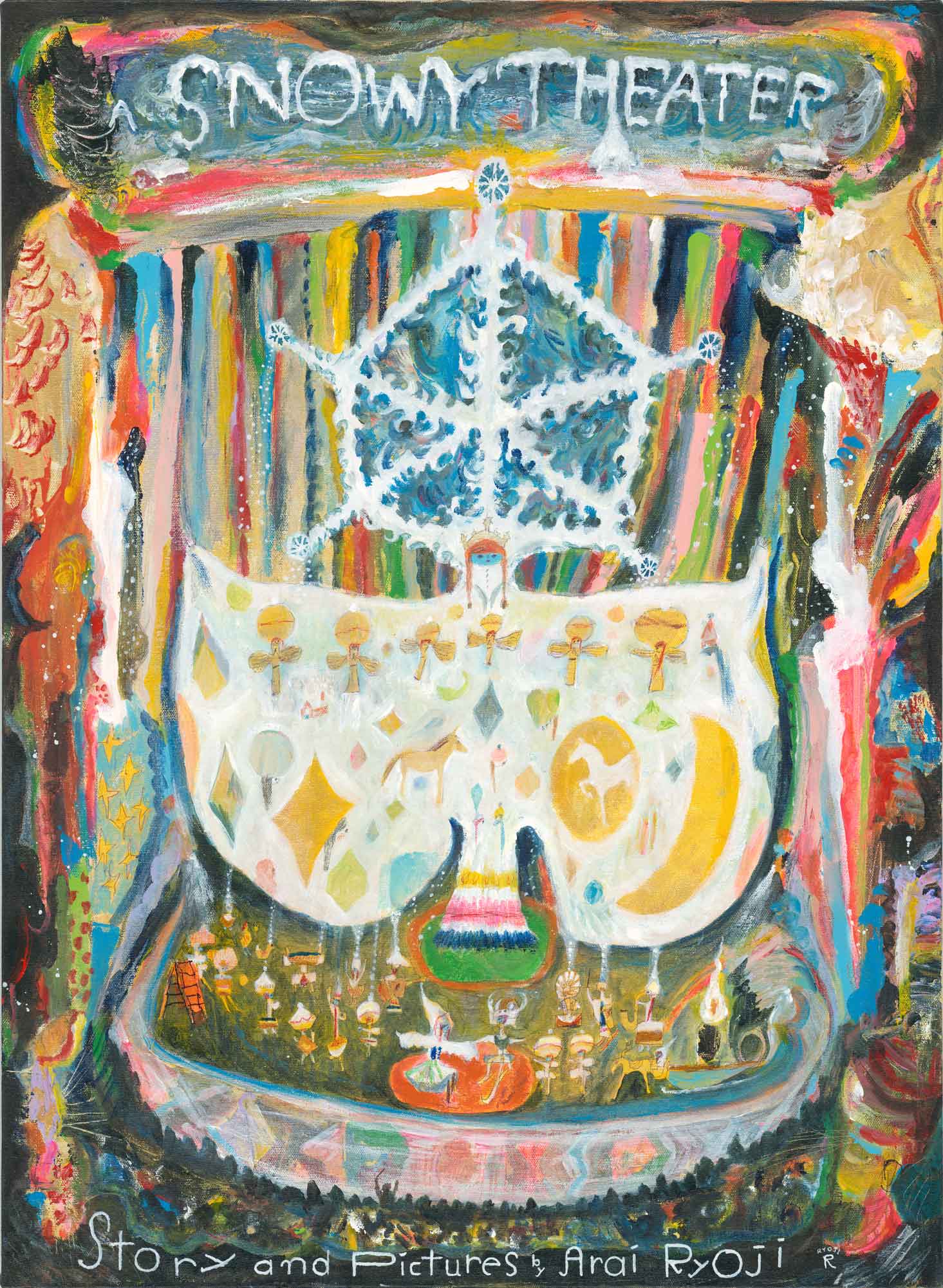
Teatro nevado
Teatro nevado, de Ryoji Arai
Tadanobu Asano
Sem título
Sem título, de Tadanobu Asano
Tadanobu Asano
Sem título
Sem título, de Tadanobu Asano
Tadanobu Asano
Sem título
Sem título, de Tadanobu Asano
Tadanobu Asano
Sem título
Sem título, de Tadanobu Asano
Awai
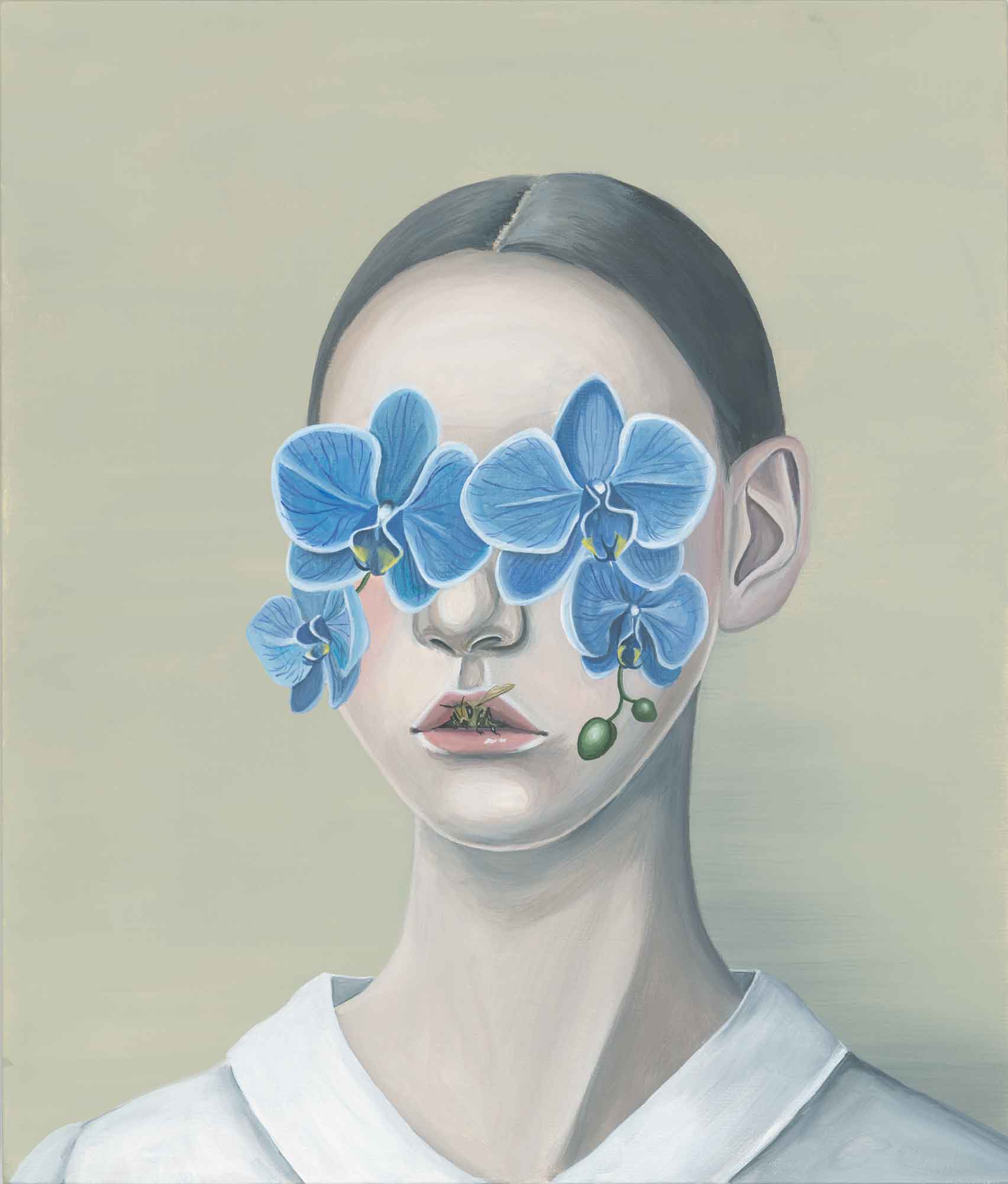
Flores desabrocham em espaços vazios
Flores desabrocham em espaços vazios, de Awai
Takeo Chikatsu
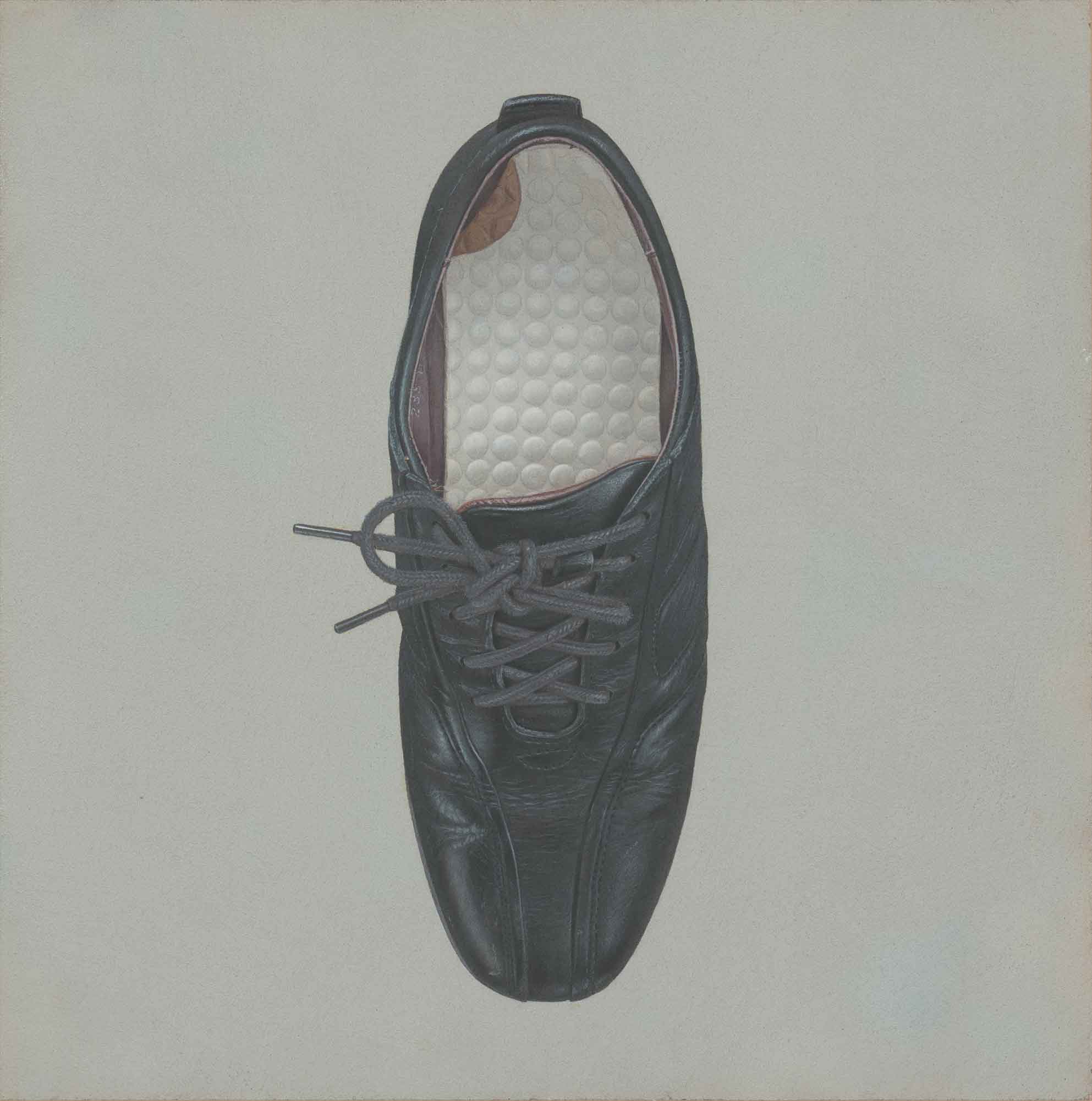
O sapato de Chen
O sapato de Chen, de Takeo Chikatsu
oki-chu.
Cão espacial
Cão espacial, de oki-chu
Mariko Enomoto
Azul
Azul, de Mariko Enomoto
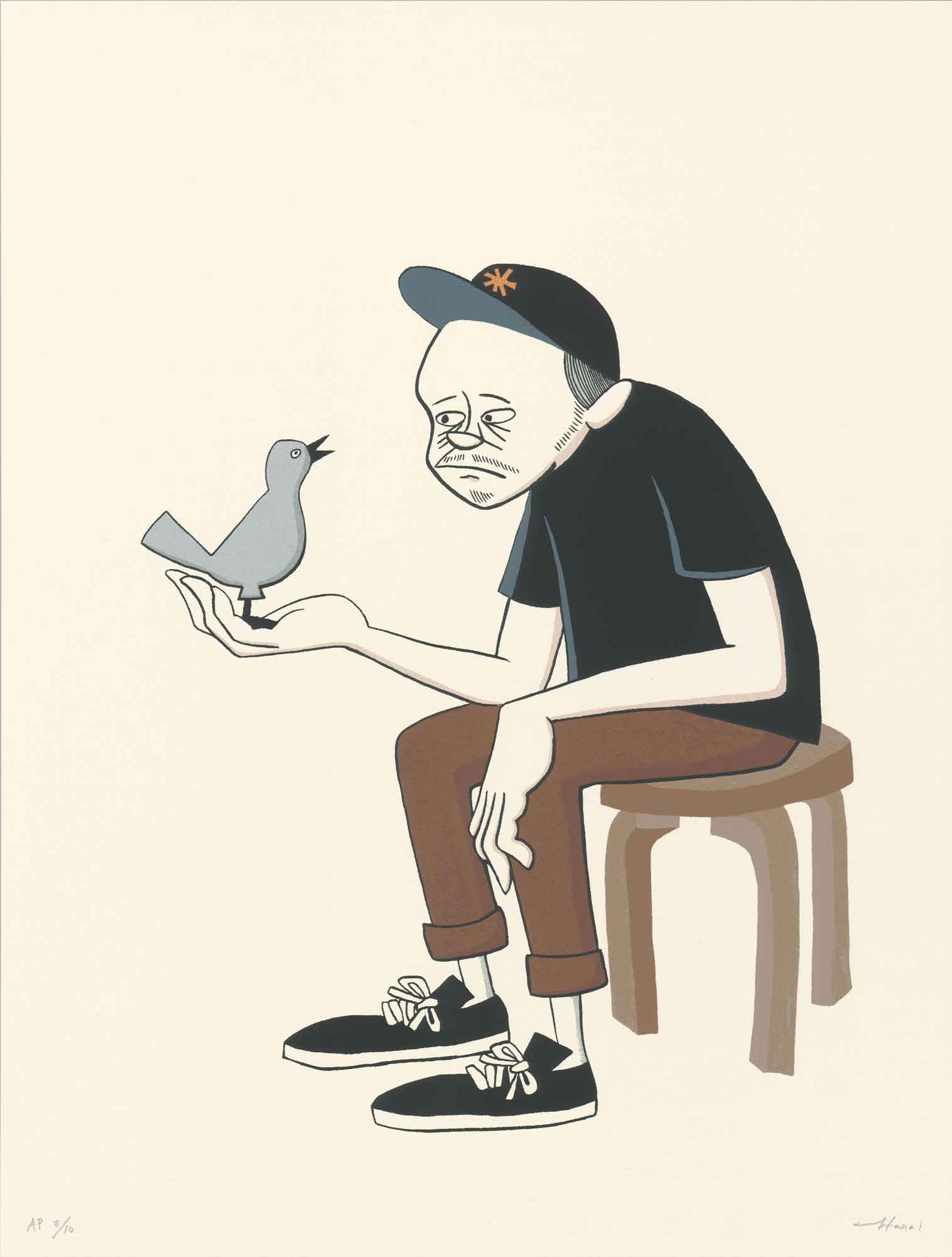
Yusuke Hanai
Triste, mas não derrotado
Triste, mas não derrotado, de Yusuke Hanai
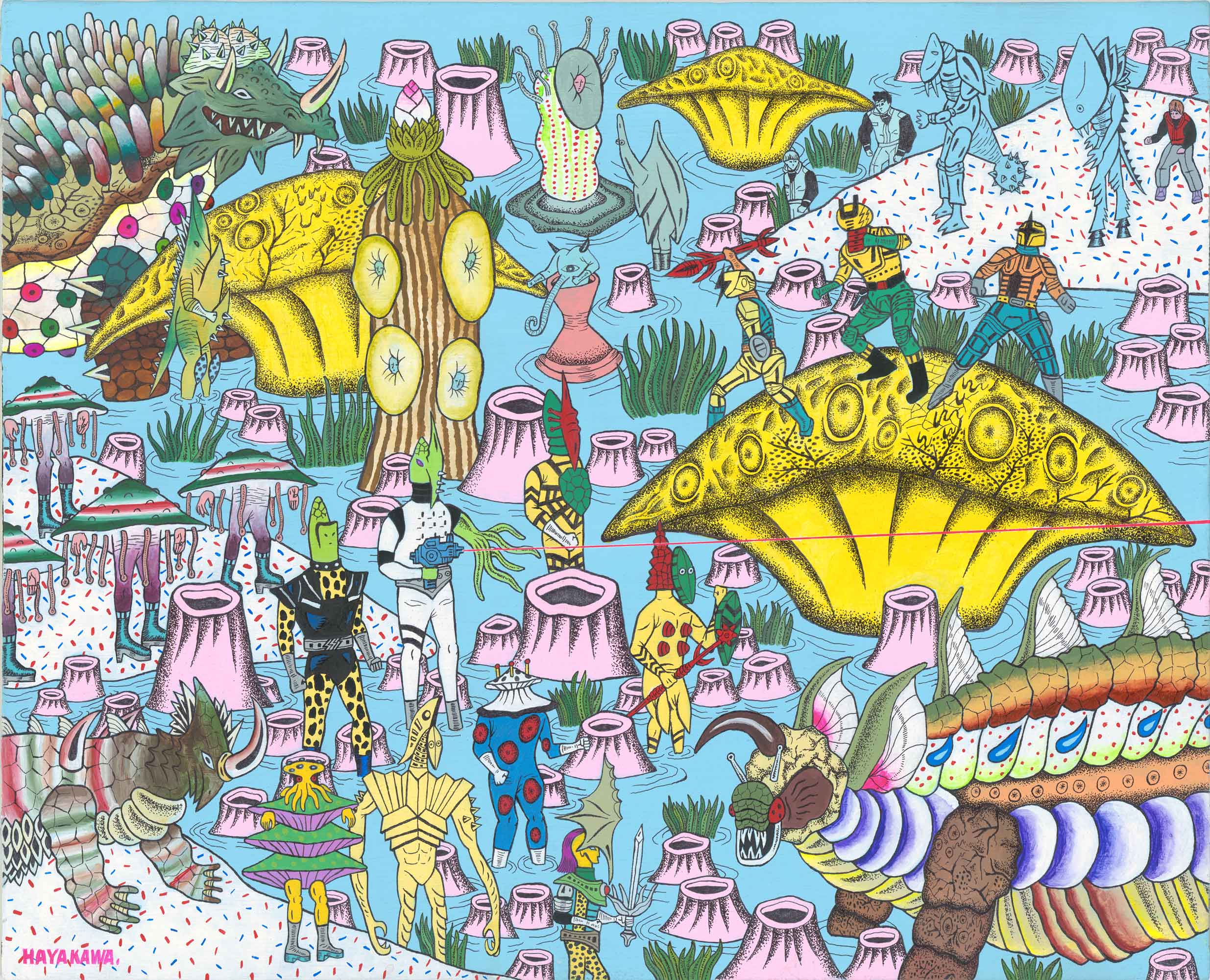
Motohiro Hayakawa
Batalhas do planeta X
Batalhas do planeta X, de Motohiro Hayakawa
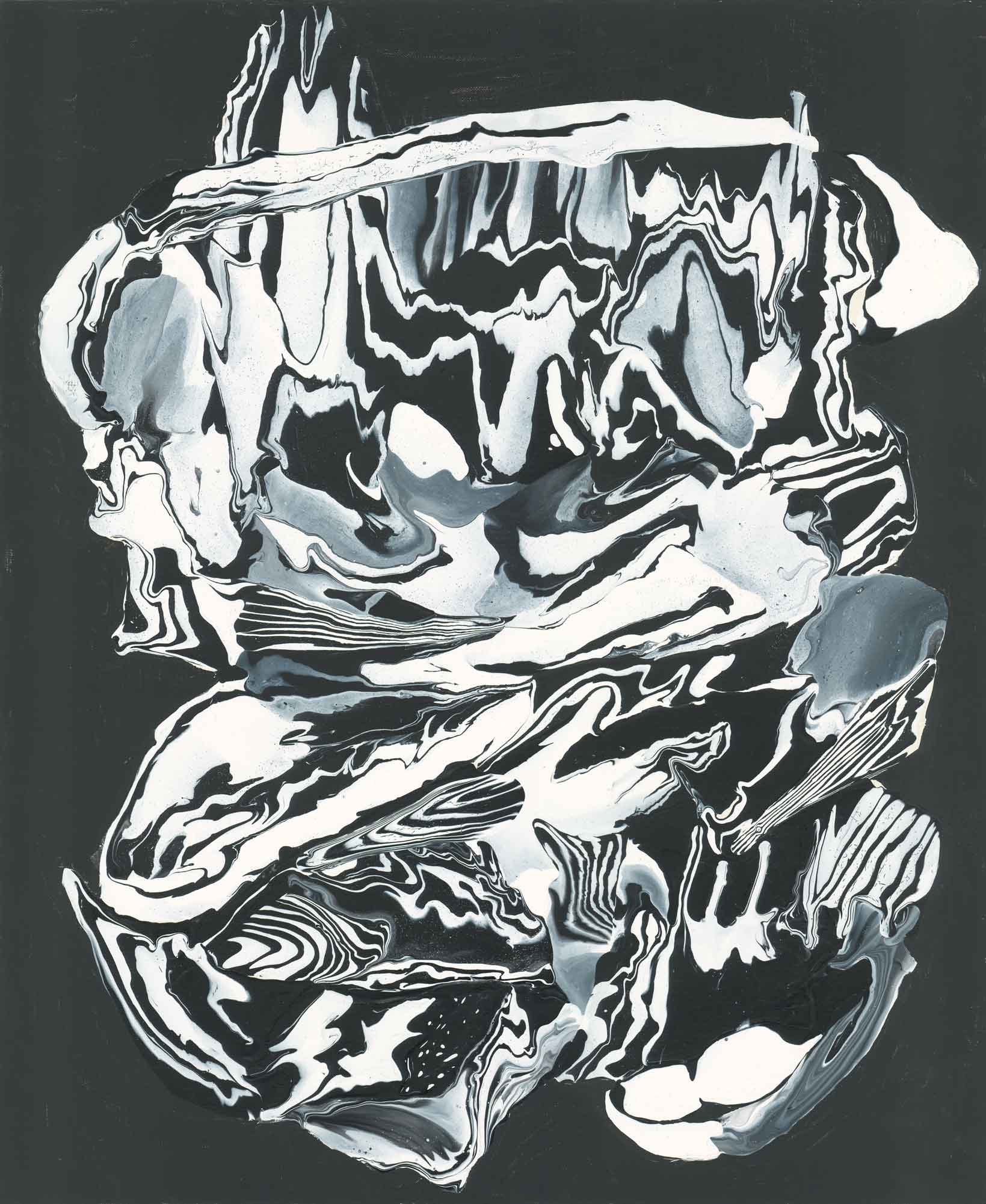
Yutaka Hirai
Preto e branco
Preto e branco, de Yutaka Hirai
Hikaru Ichijo
Gêmeos
Gêmeos, de Hikaru Ichijo
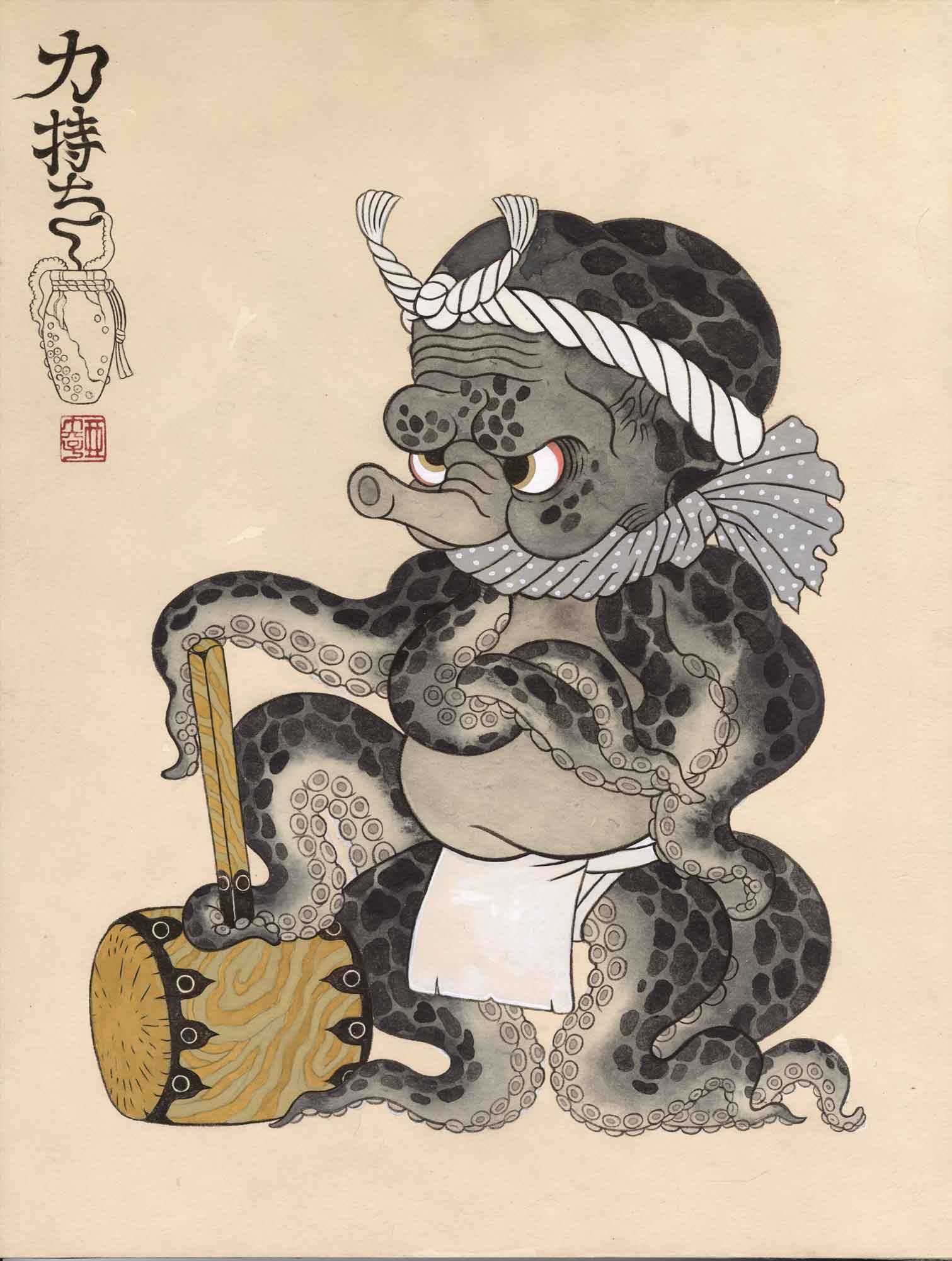
Ayako Ishiguro
Poderoso
Poderoso, de Ayako Ishiguro
Keiji Ito
Cinco tons
Cinco tons, de Keiji Ito
Toru Kageyama
Sharaku
Sharaku, de Toru Kageyama
Jenny Kaori
A vida é boa
A vida é boa, de Jenny Kaori
Yoko Kawamoto
Sem título
Sem título, de Yoko Kawamoto
Kosuke Kawamura
Sem título
Sem título, de Kosuke Kawamura
Shiriagari Kotobuki
Uma pequena pausa
Uma pequena pausa, de Shiriagari Kotobuki
Kimi Kuruhara
Shinobi
Shinobi, de Kimi Kuruhara
Sasaku Kusuriyubi
Almoço
Almoço, de Sasaku Kusuriyubi
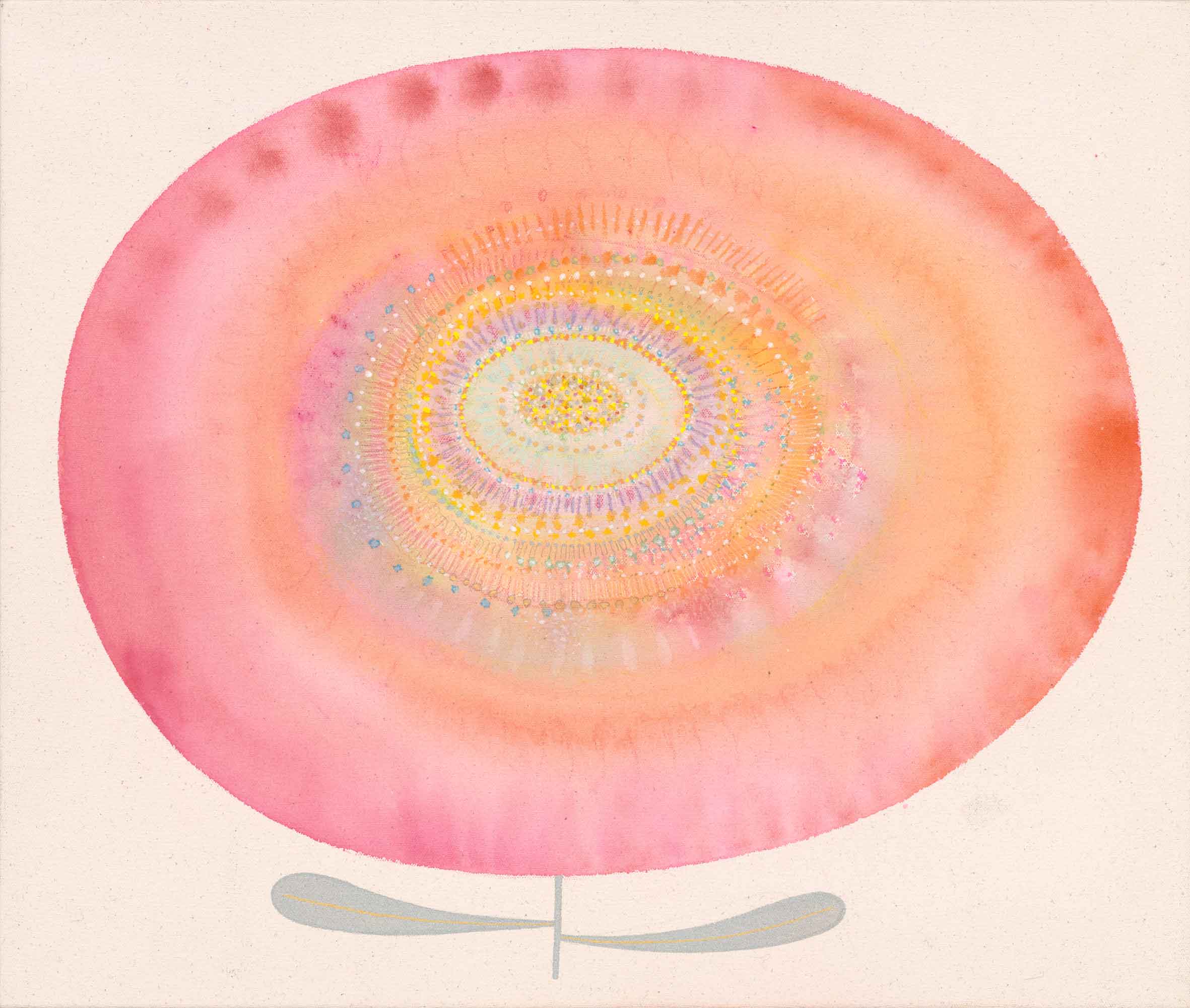
Kahori Maki
Flor meditativa
Flor meditativa, de Kahori Maki
Kenichiro Mizuno
Existência casual
Existência casual, de Kenichiro Mizuno
Yuji Moriguchi
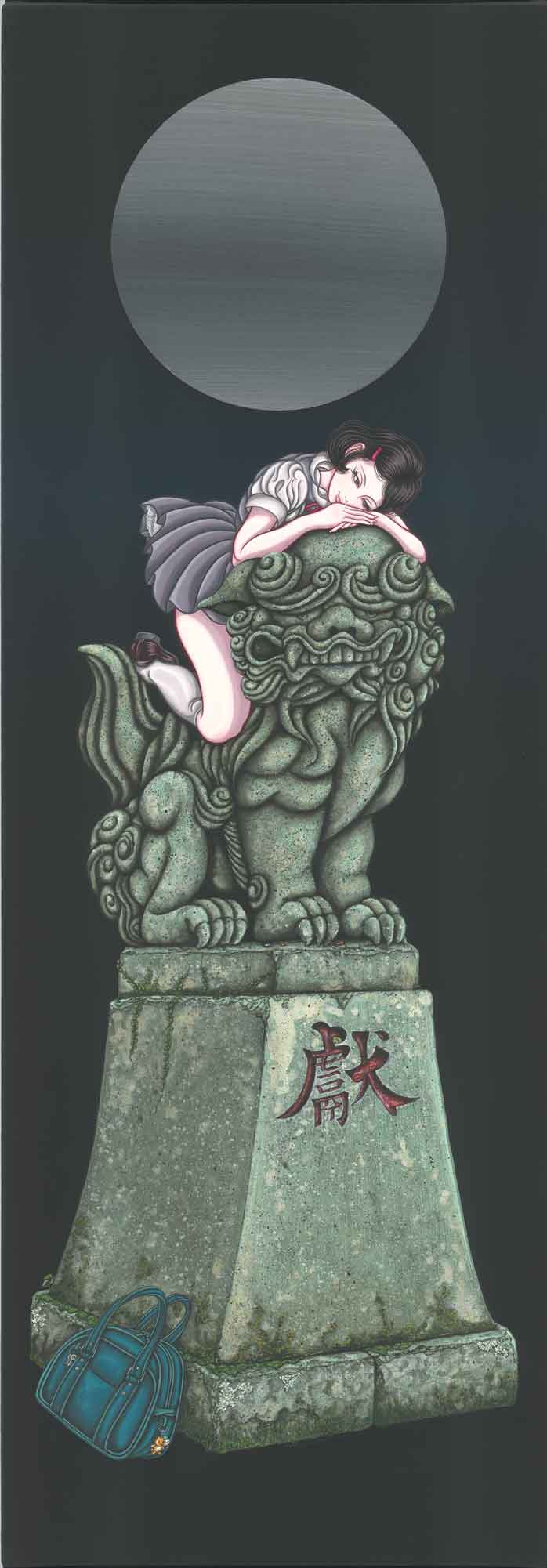
A-Un
A-Un, de Yuji Moriguchi
Yuji Moriguchi
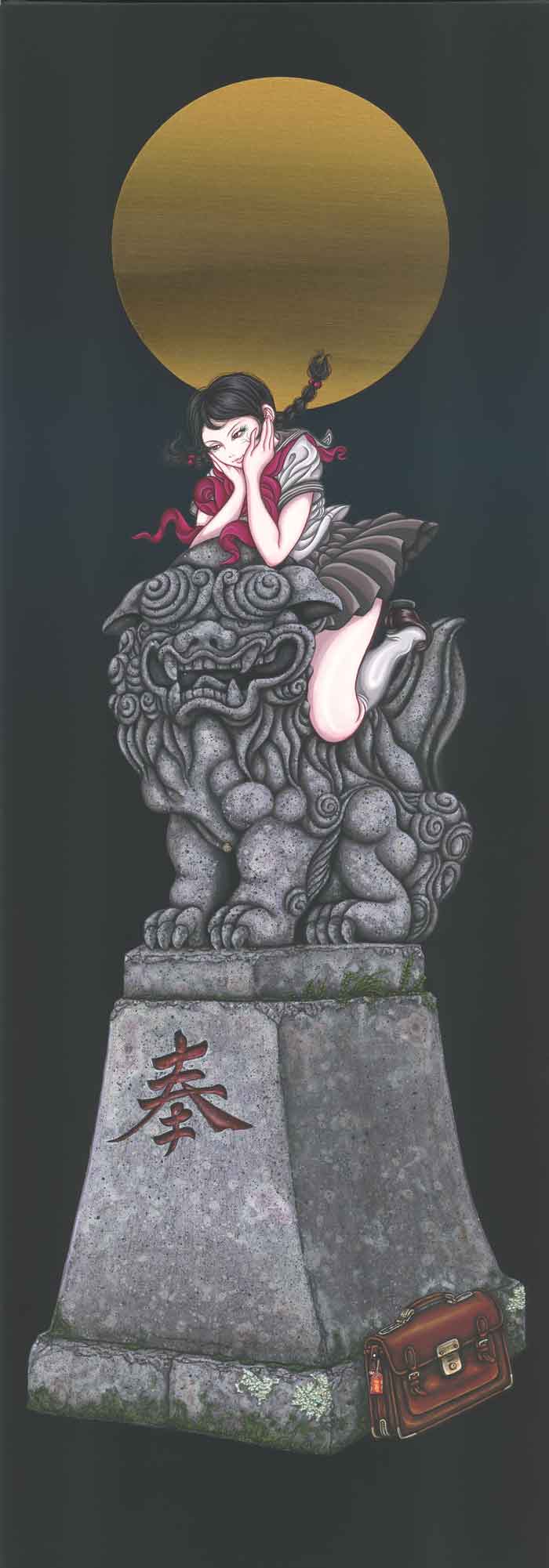
A-Un
A-Un, de Yuji Moriguchi
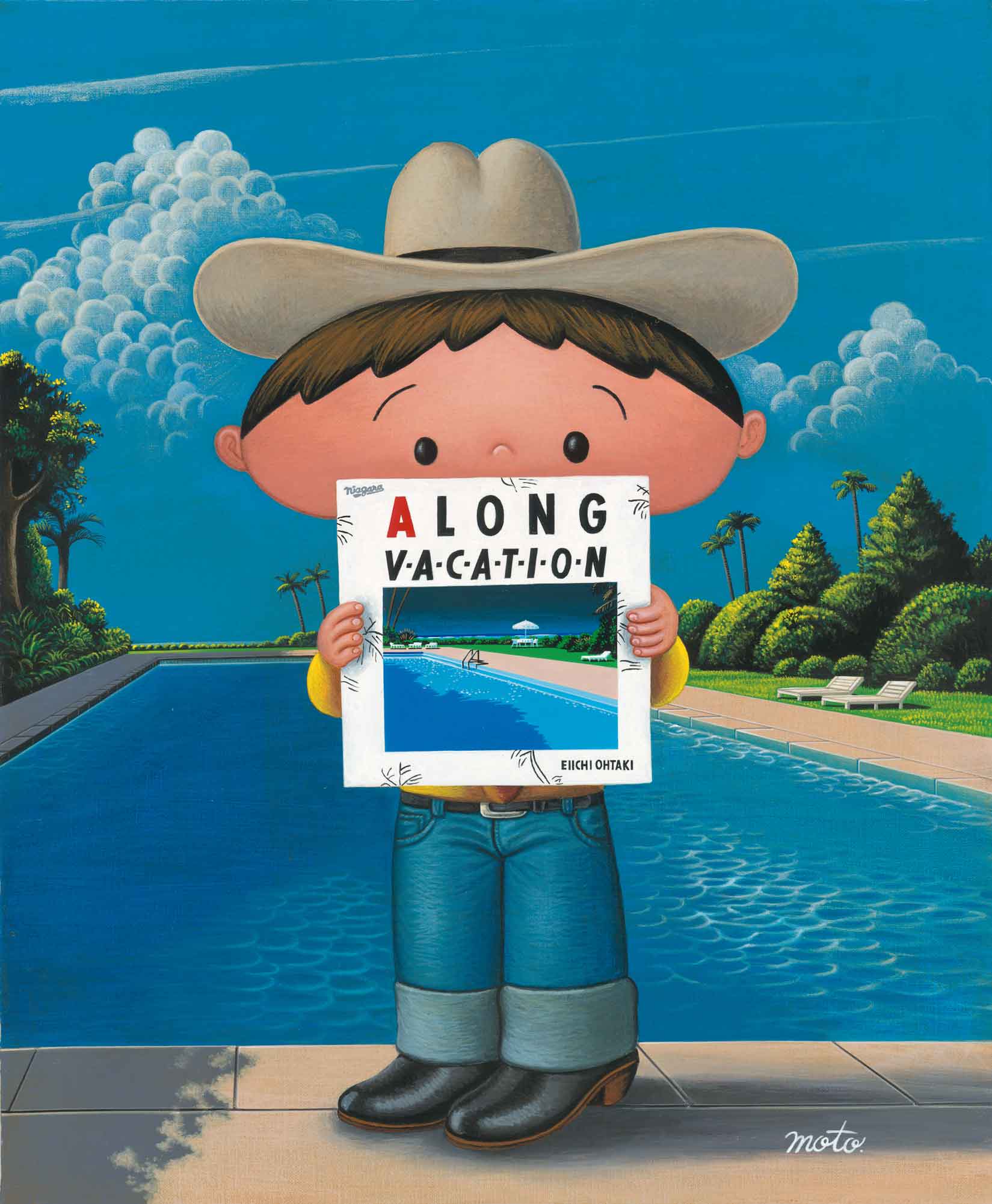
Hideyasu Moto
As longas férias de Recosuke
As longas férias de Recosuke, de Hideyasu Moto
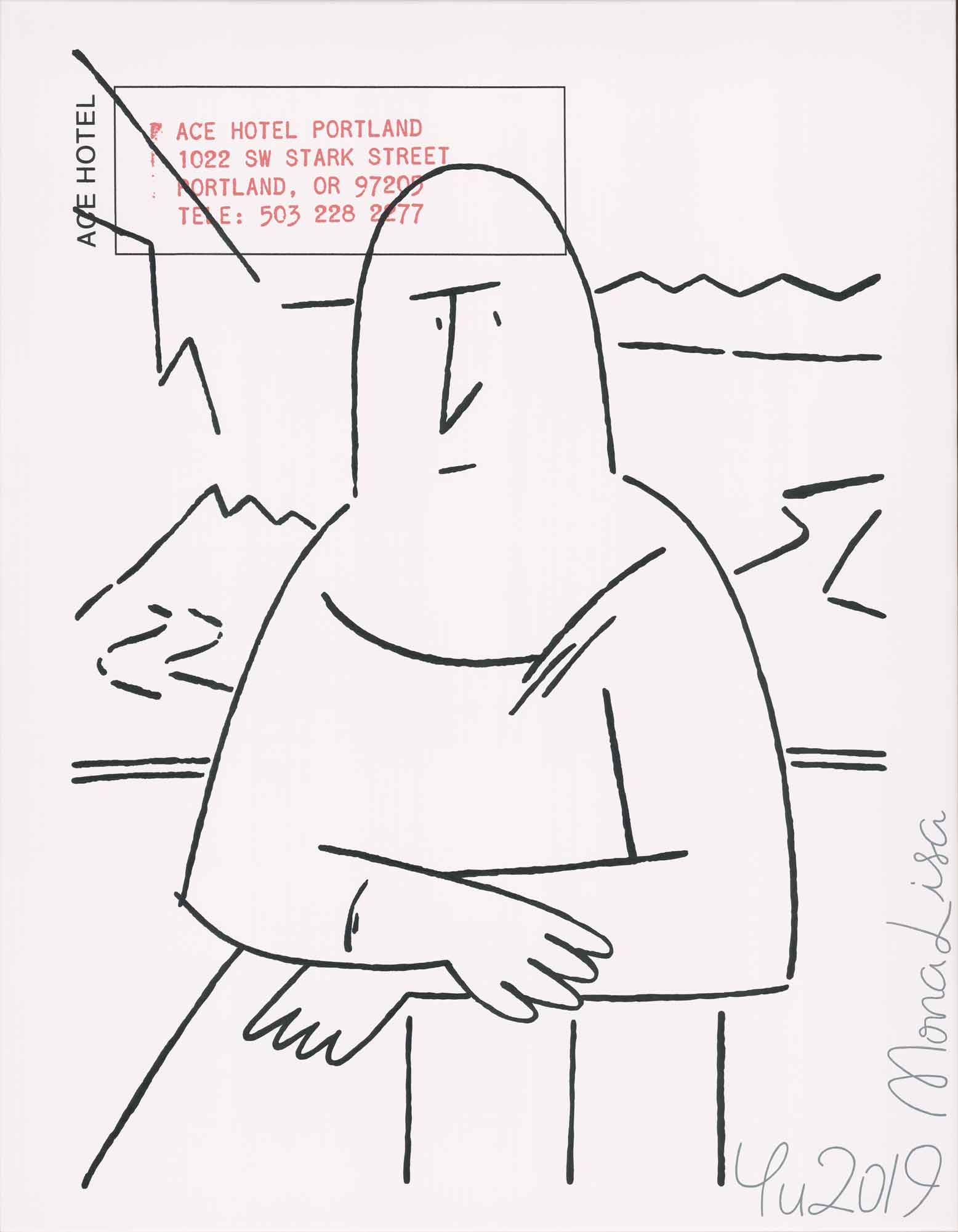
Yu Nagaba
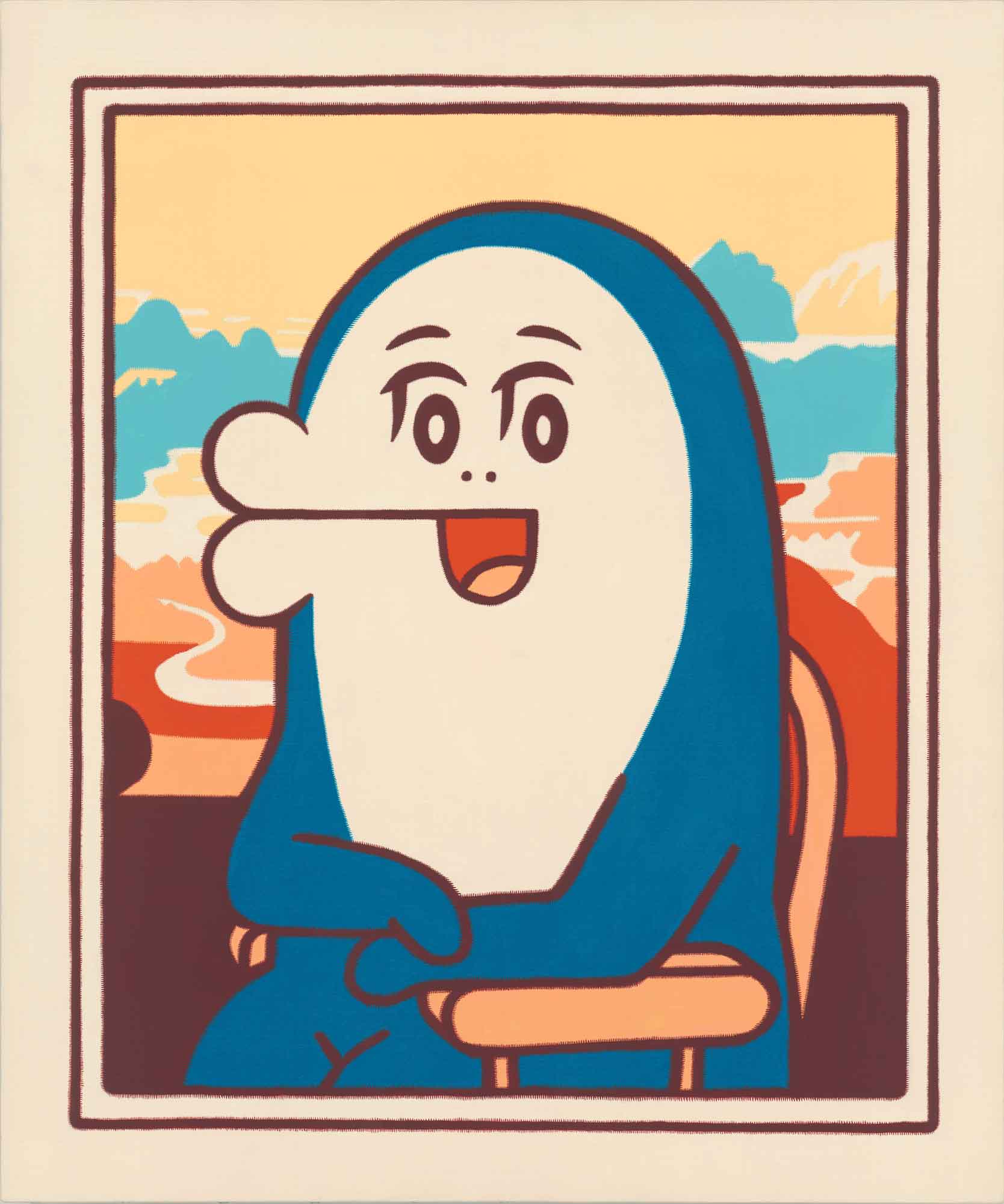
Mona Lisa
Mona Lisa, de Yu Nagaba
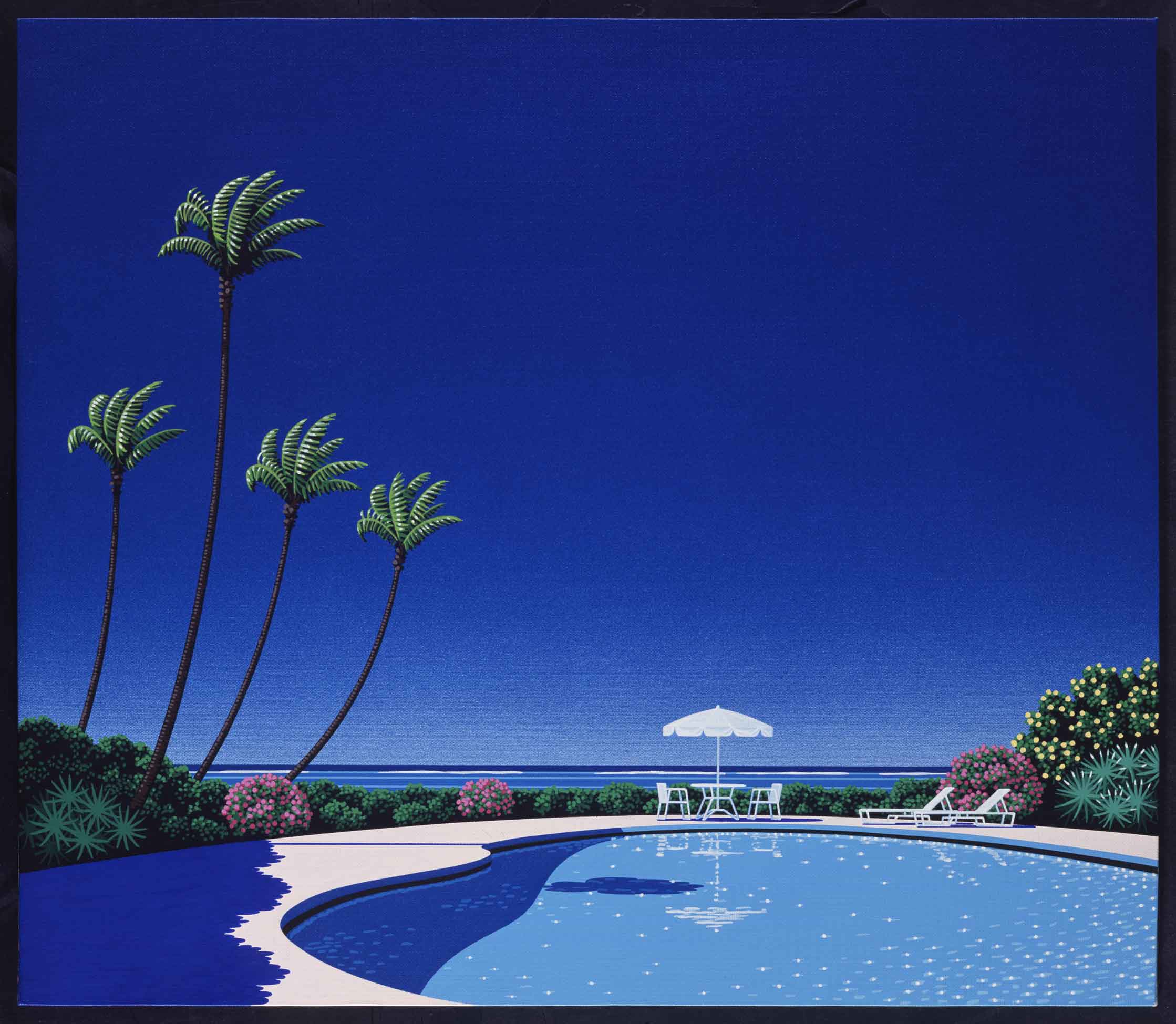
Hiroshi Nagai
Sem título
Sem título, de Hiroshi Nagai
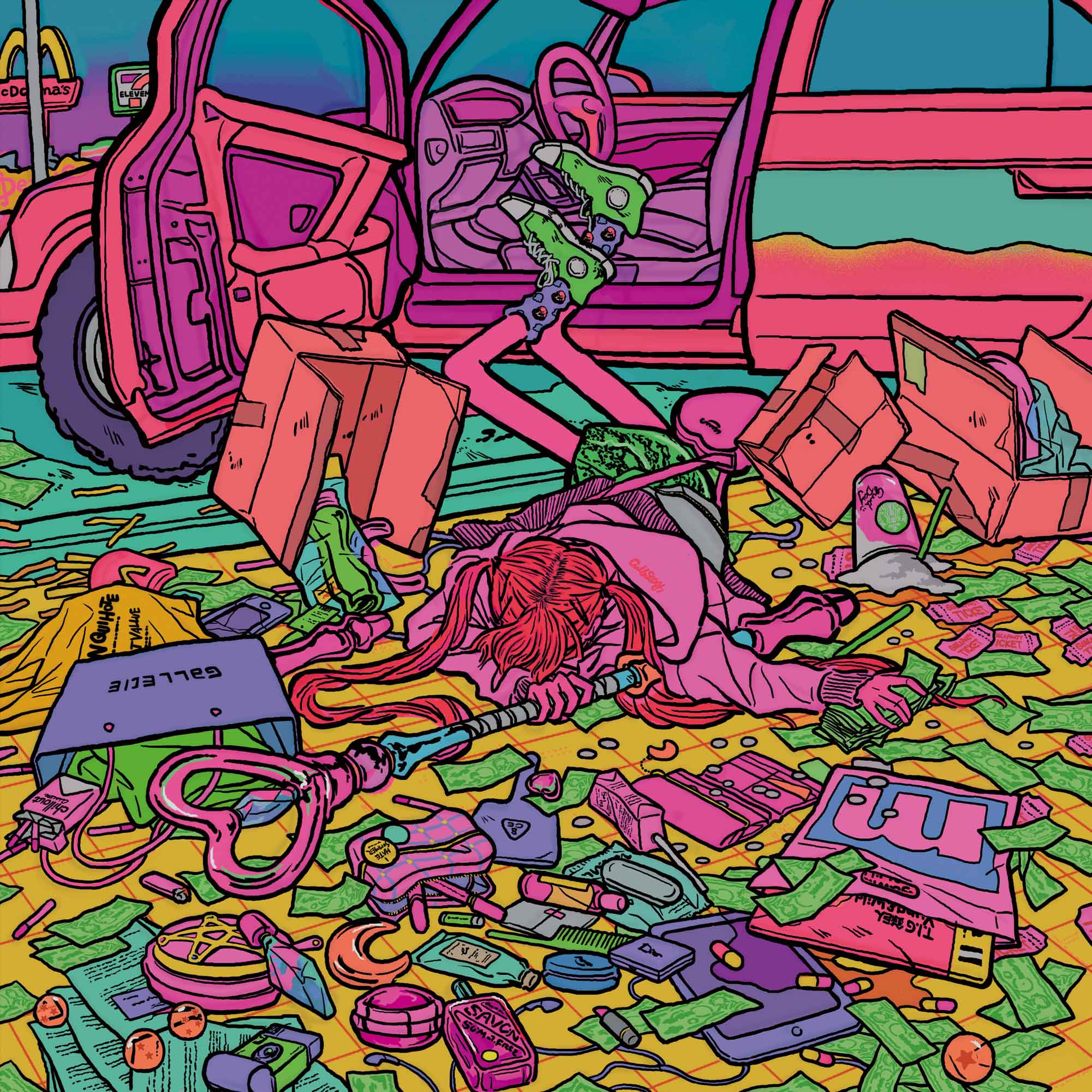
Face Oka
Dinheiro, em vez de grama verde
Dinheiro, em vez de grama verde, de Face Oka
Jun Oson
Bons amigos
Bons amigos, de Jun Oson
Yusuke Saitoh
Chack e a menina
Chack e a menina, de Yusuke Saitoh
Norishige Sasabe
Óculos desconhecidos
Óculos desconhecidos, de Norishige Sasabe
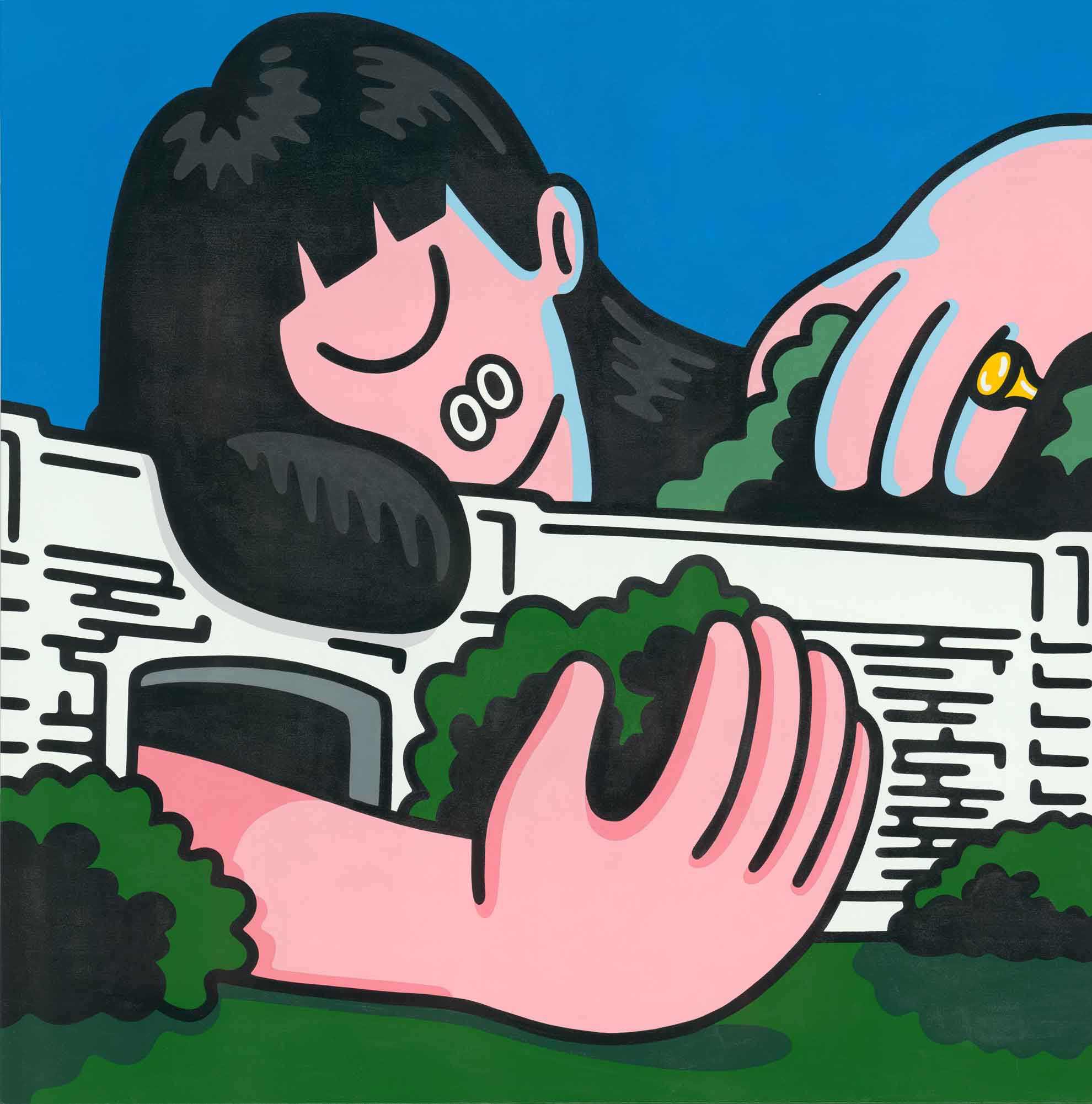
Masaru Shichinohe
Brincando de boneca,
Brincando de boneca, de Masaru Shichinohe
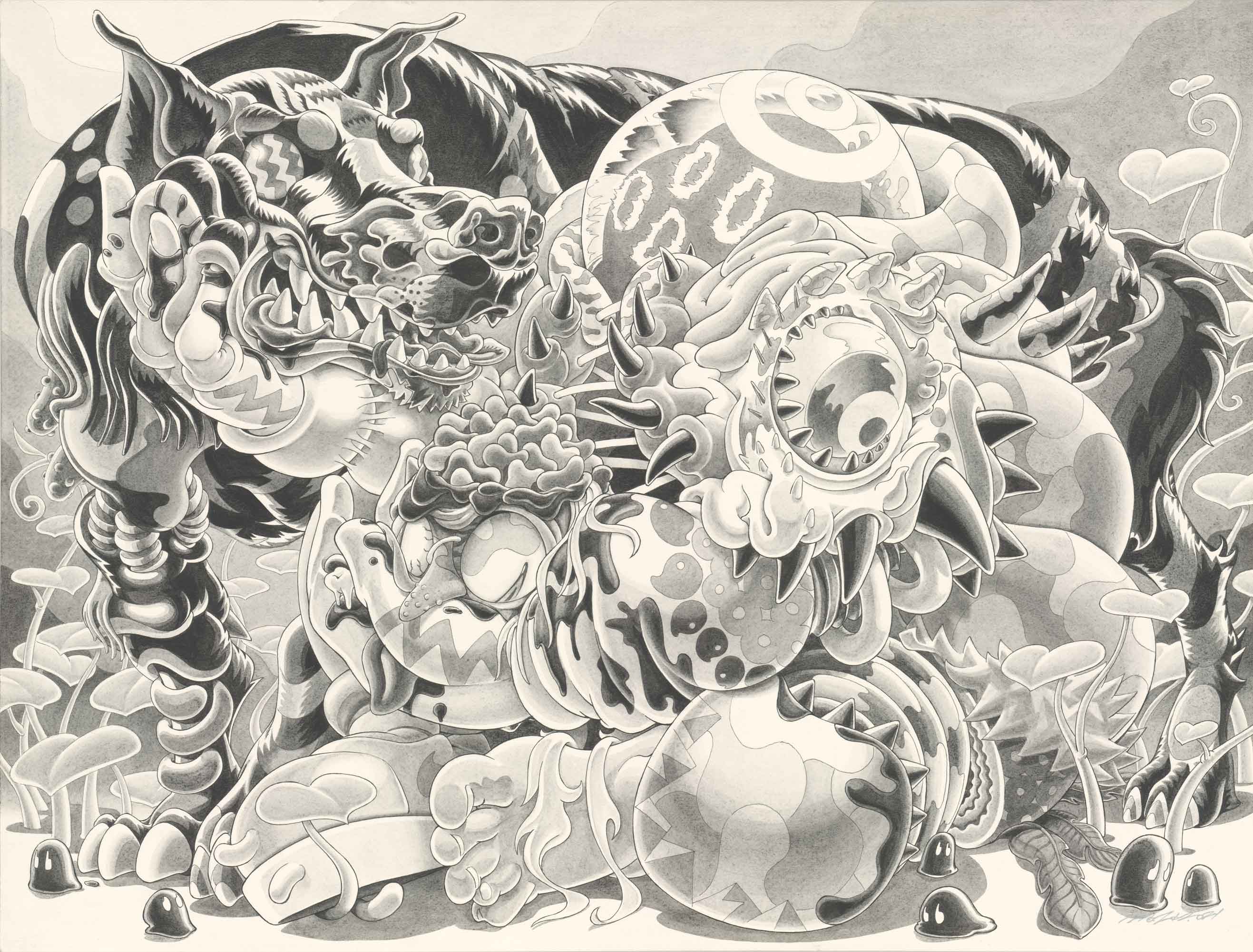
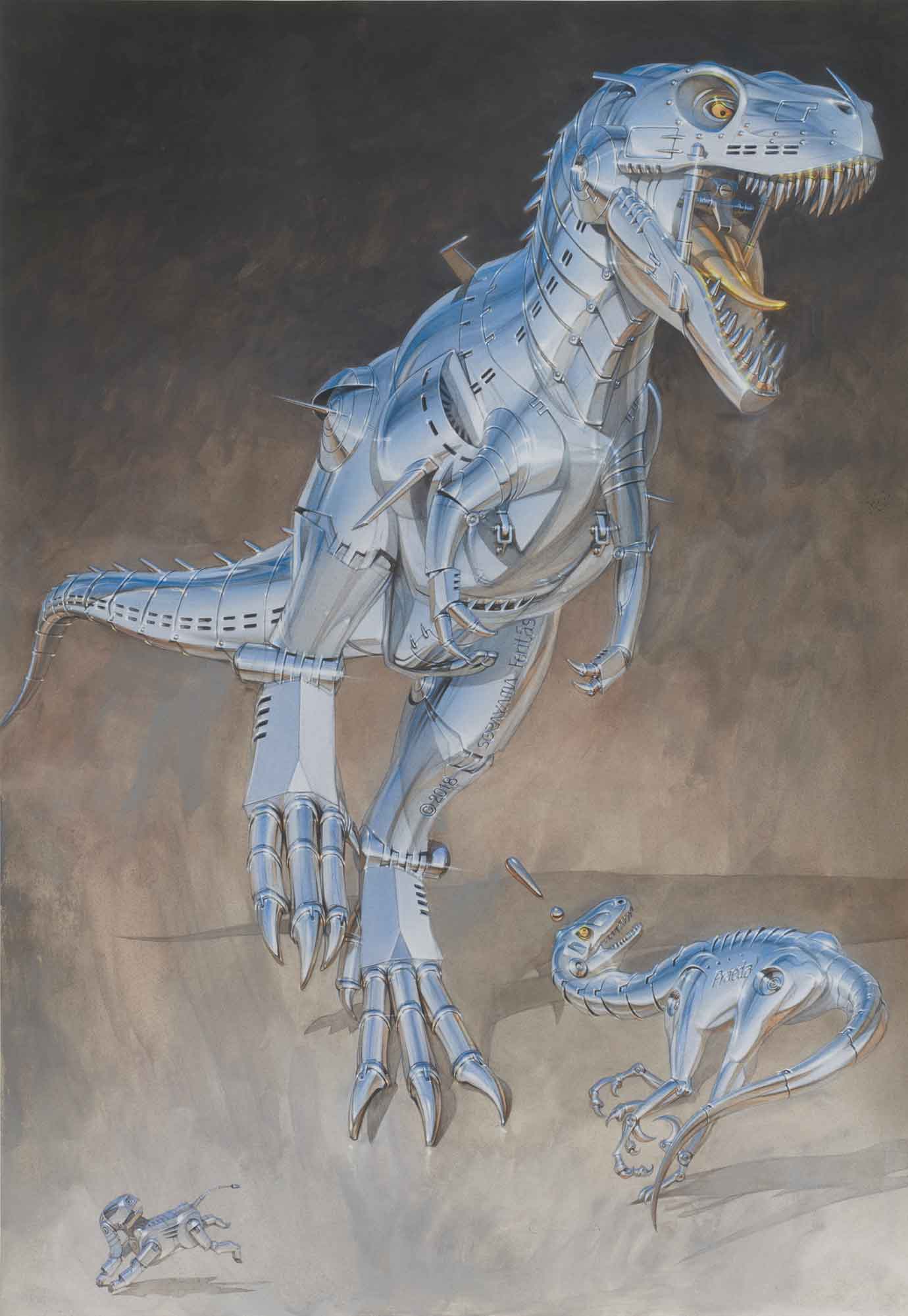
Hajime Sorayama
TREX (A)
TREX (A), de TREX (A), de Hajime Sorayama
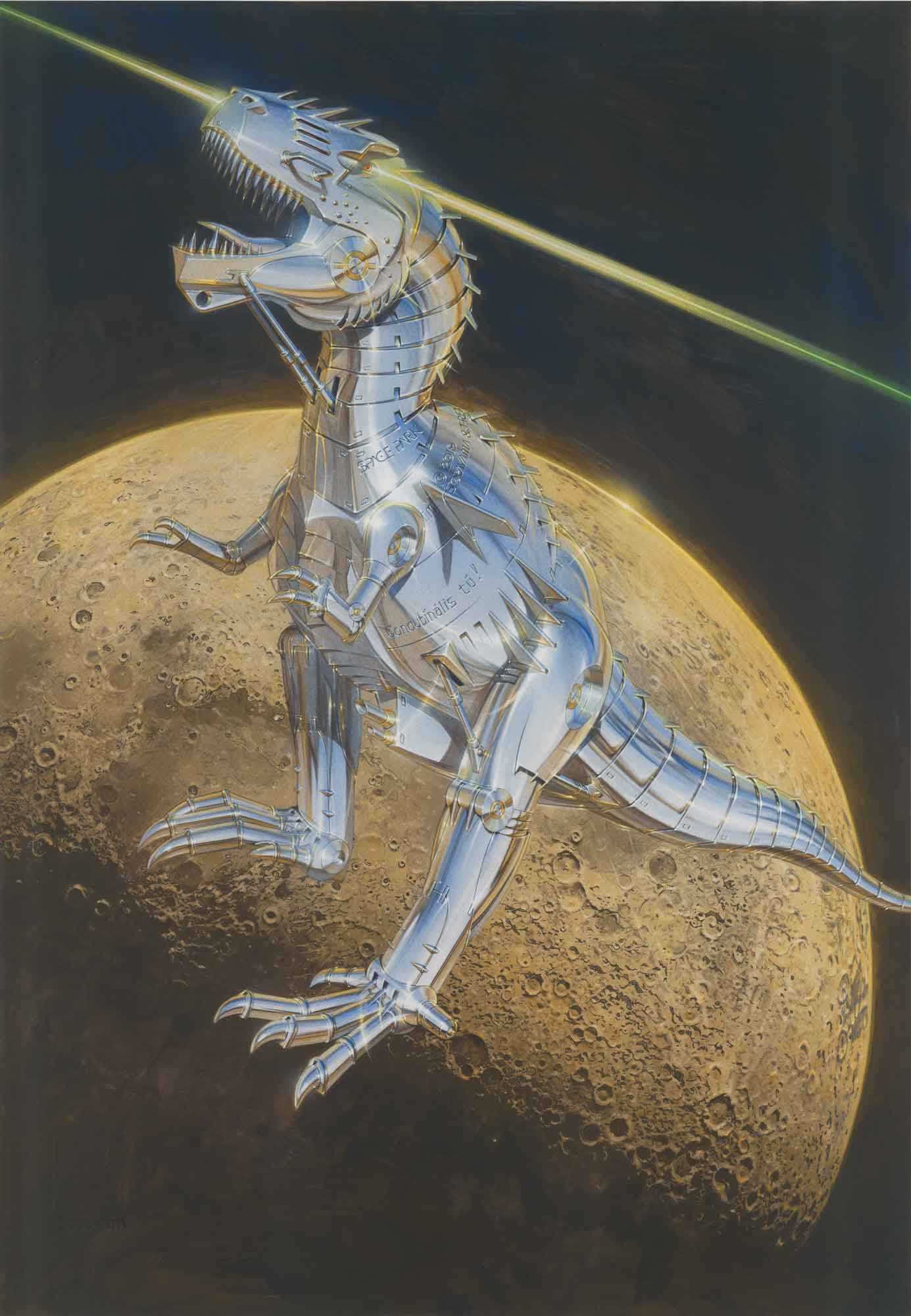
Hajime Sorayama
TREX (A)
TREX (A), de Hajime Sorayama
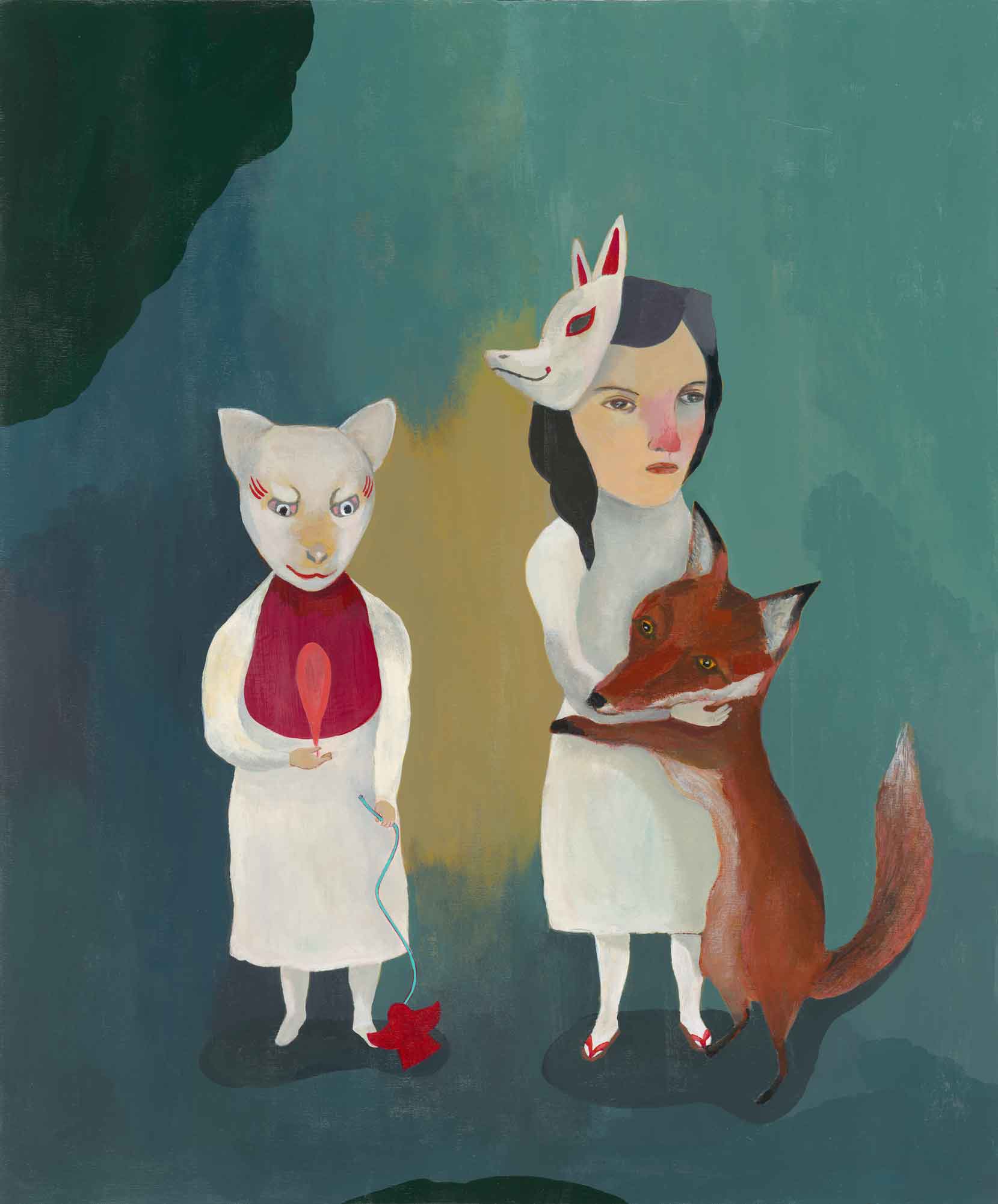
Mica Suga
Brincando de faz de conta
Brincando de faz de conta, de Mica Suga
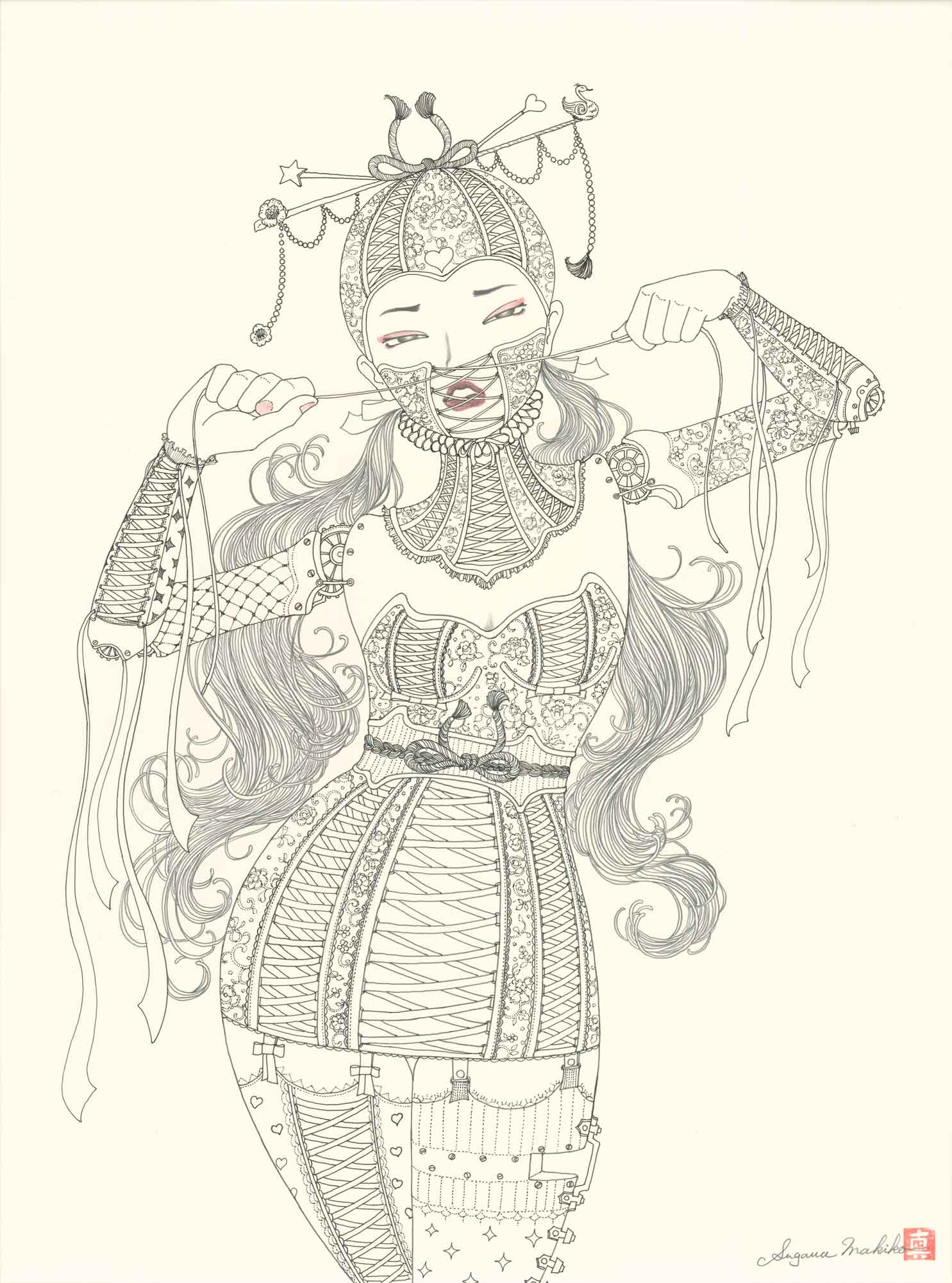
Makiko Sugawa
Vestido de renda
Vestido de renda, de Makiko Sugawa
Hiro Sugiyama
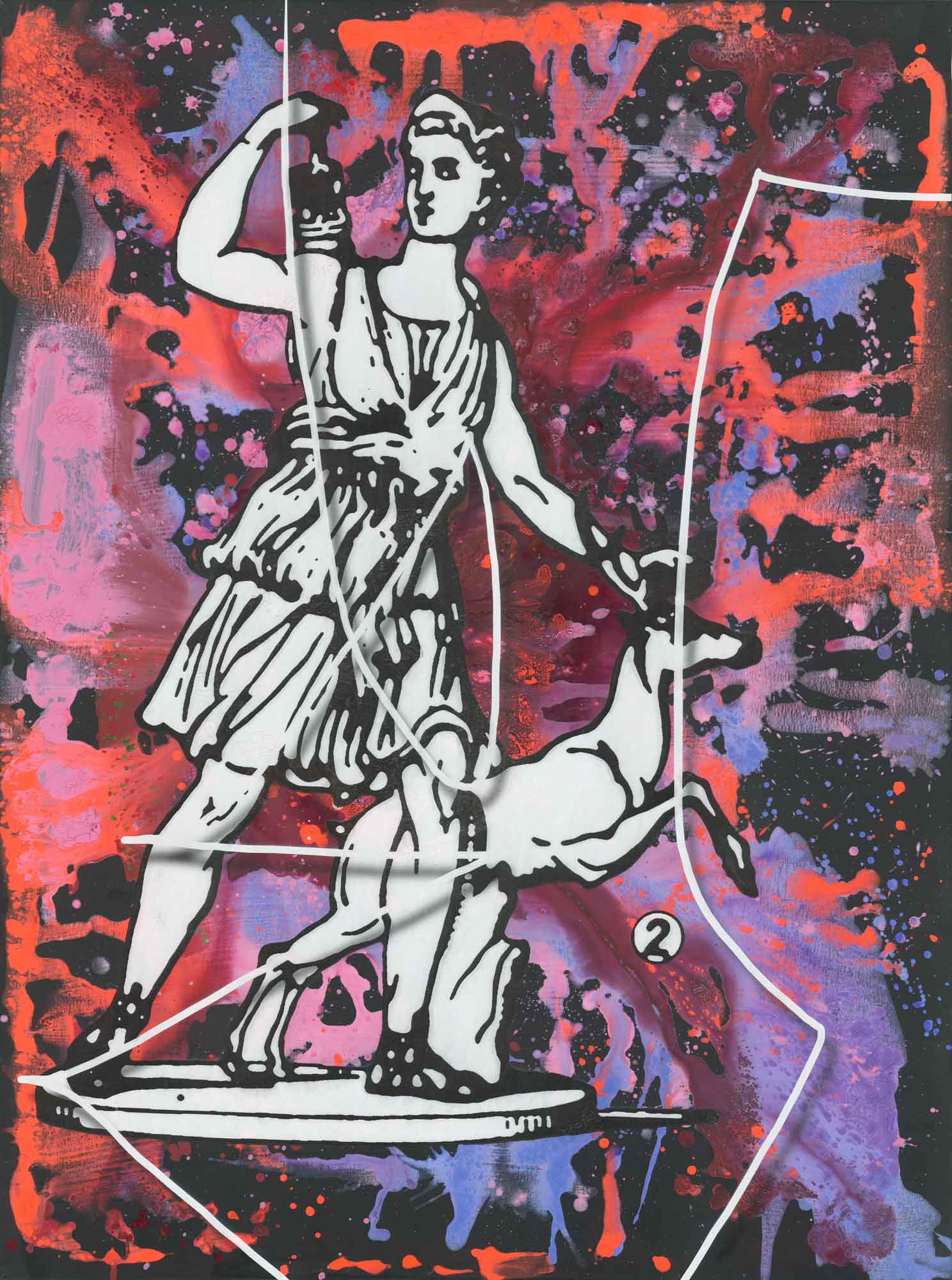
Diana
Diana, de Hiro Sugiyama
Makito Takagi
Snap-49
Snap-49, de Makito Takagi
Chika Takei
On and Off
On and Off
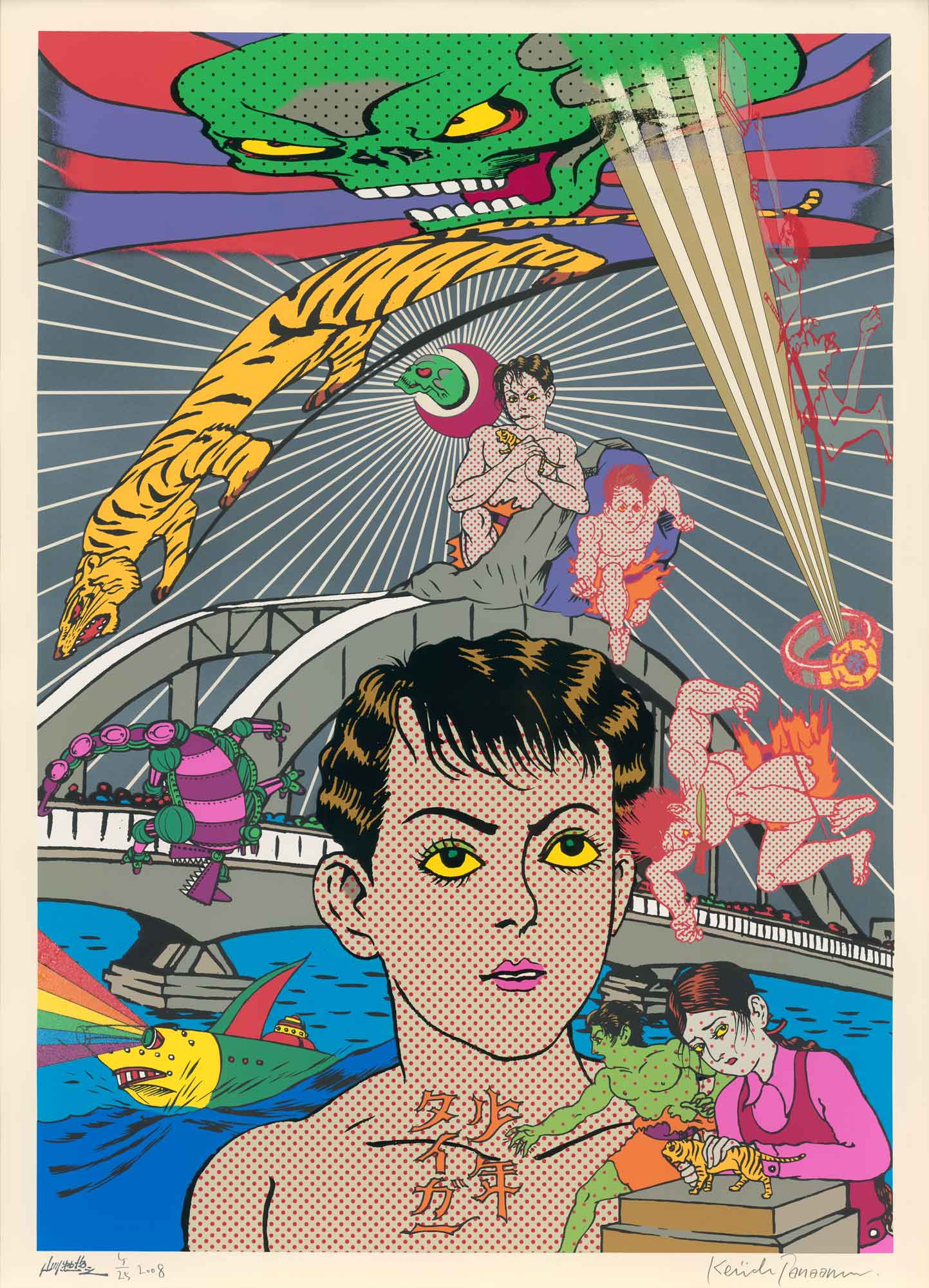
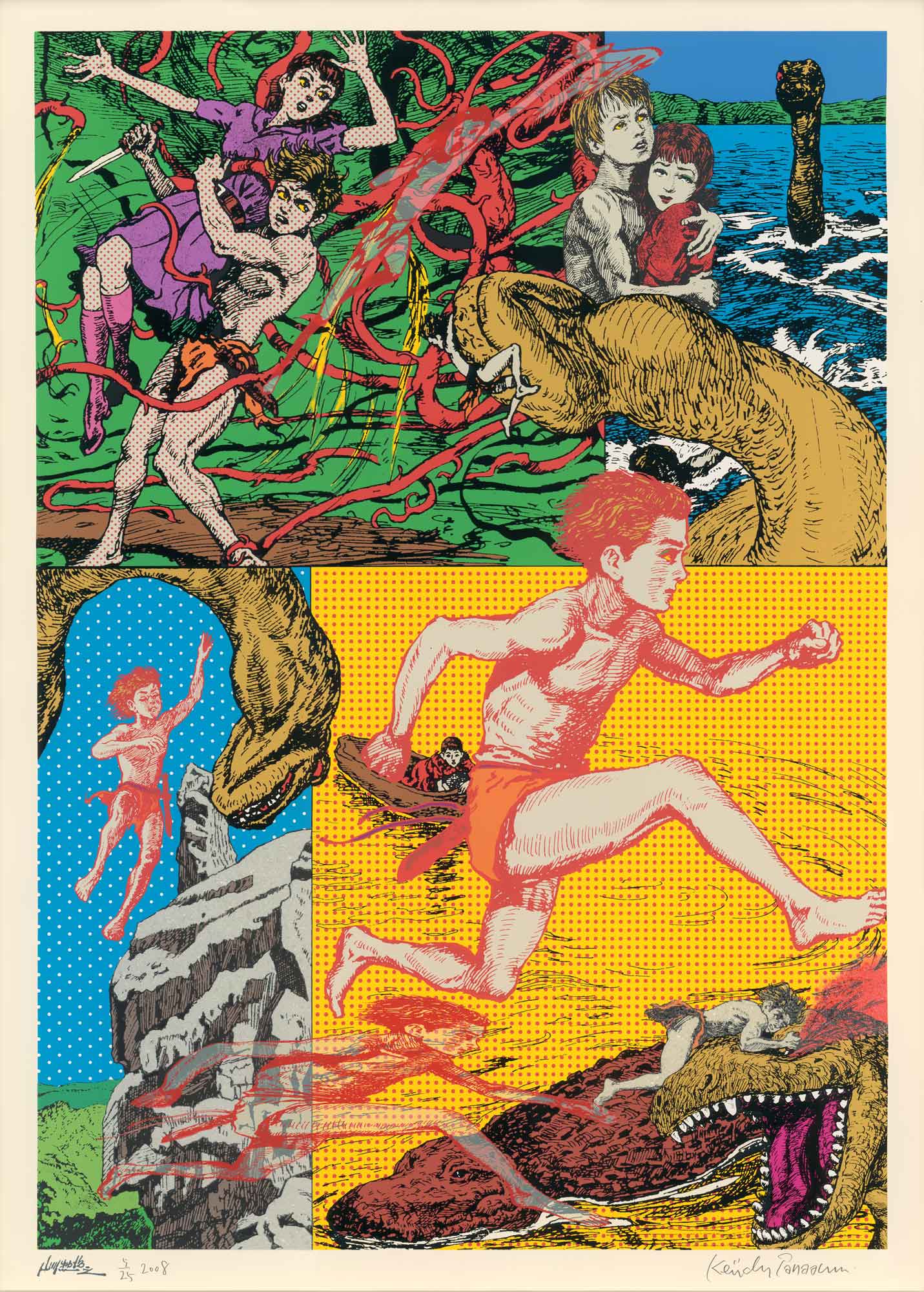
Keiichi Tanaami
Shonen Tiger 01
Shonen Tiger 01, de Keiichi Tanaami
Keiichi Tanaami
Shonen Oja
Shonen Oja, de Keiichi Tanaami
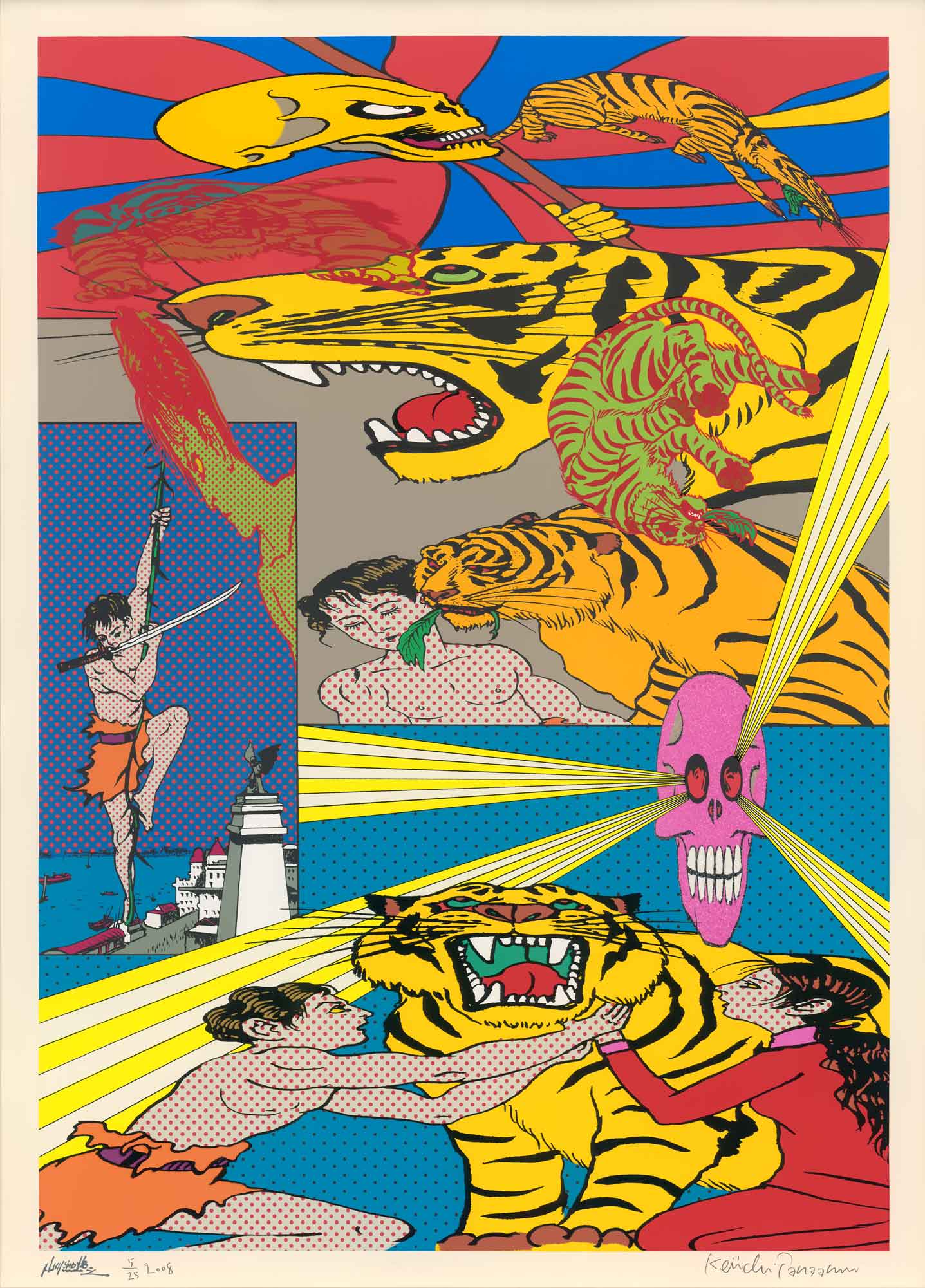
Keiichi Tanaami
Shonen Tiger 02
Shonen Tiger 02, de Keiichi Tanaami
Hiroki Taniguchi
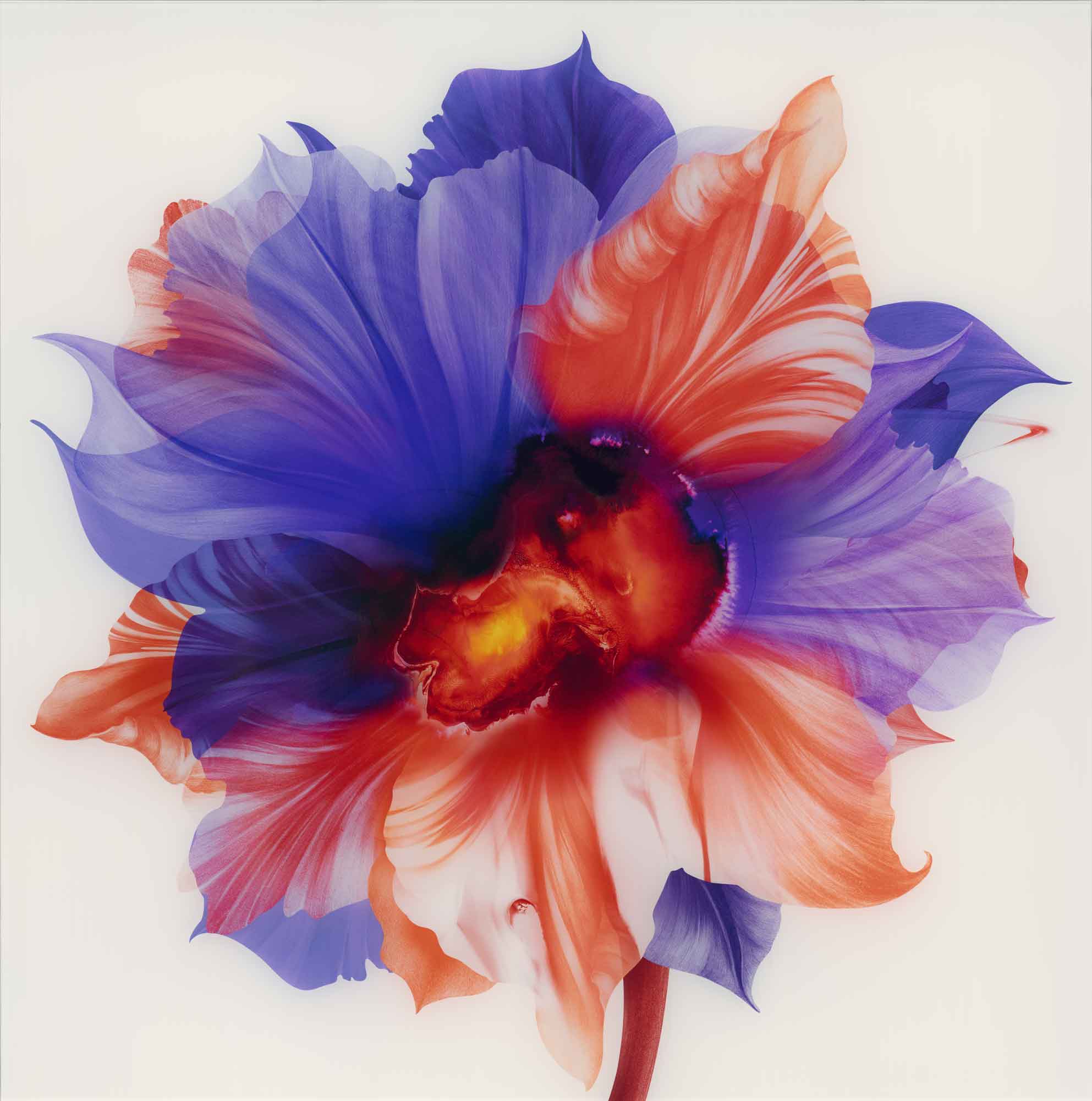
A flor daqui, de lá, e de todos os lugares
A flor daqui, de lá, e de todos os lugares, de Hiroki Taniguchi
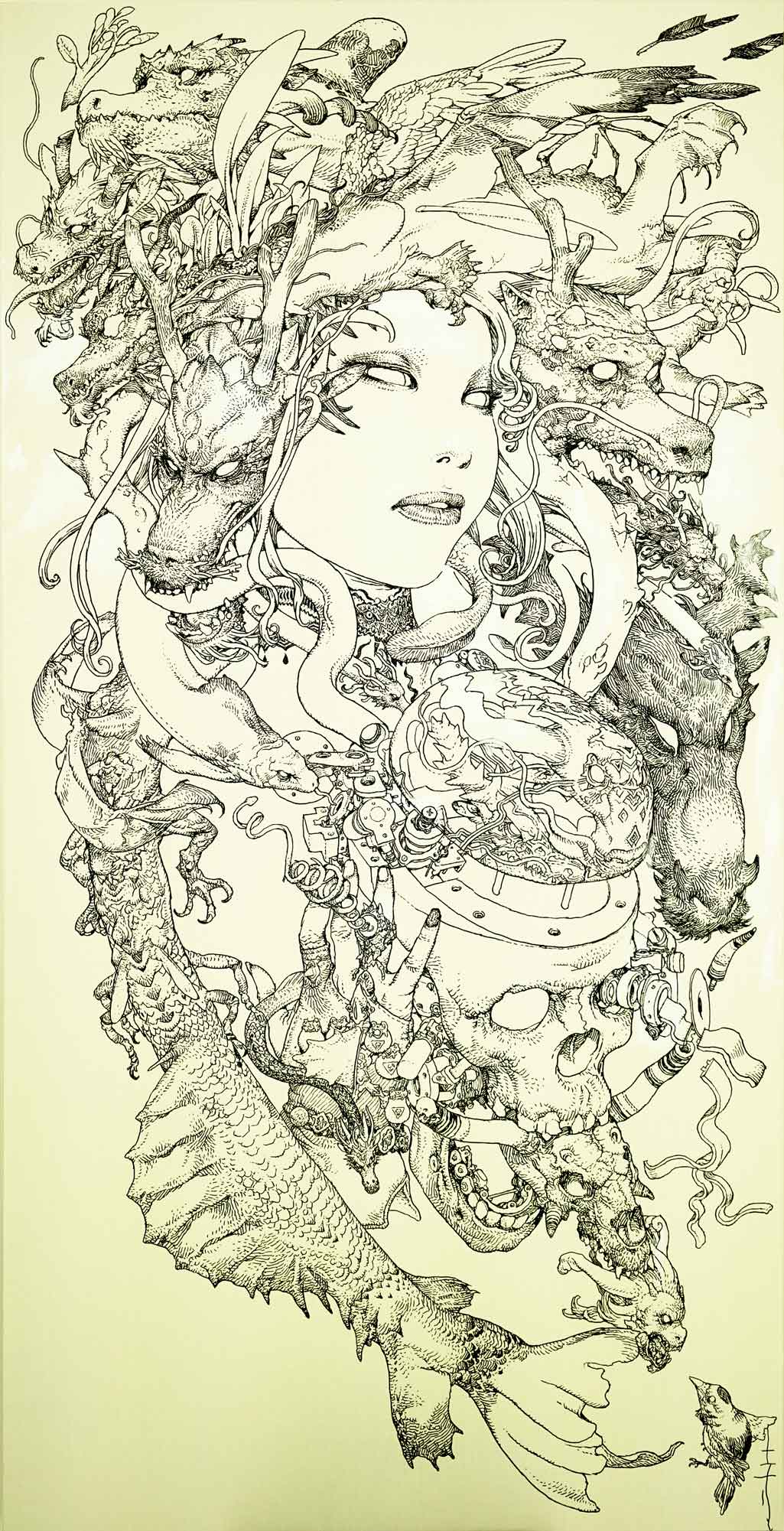
Katsuya Terada
Sem título
Sem título, de Katsuya Terada
Kotao Tomozawa
slimeLXXV
slimeLXXV, de Kotao Tomozawa
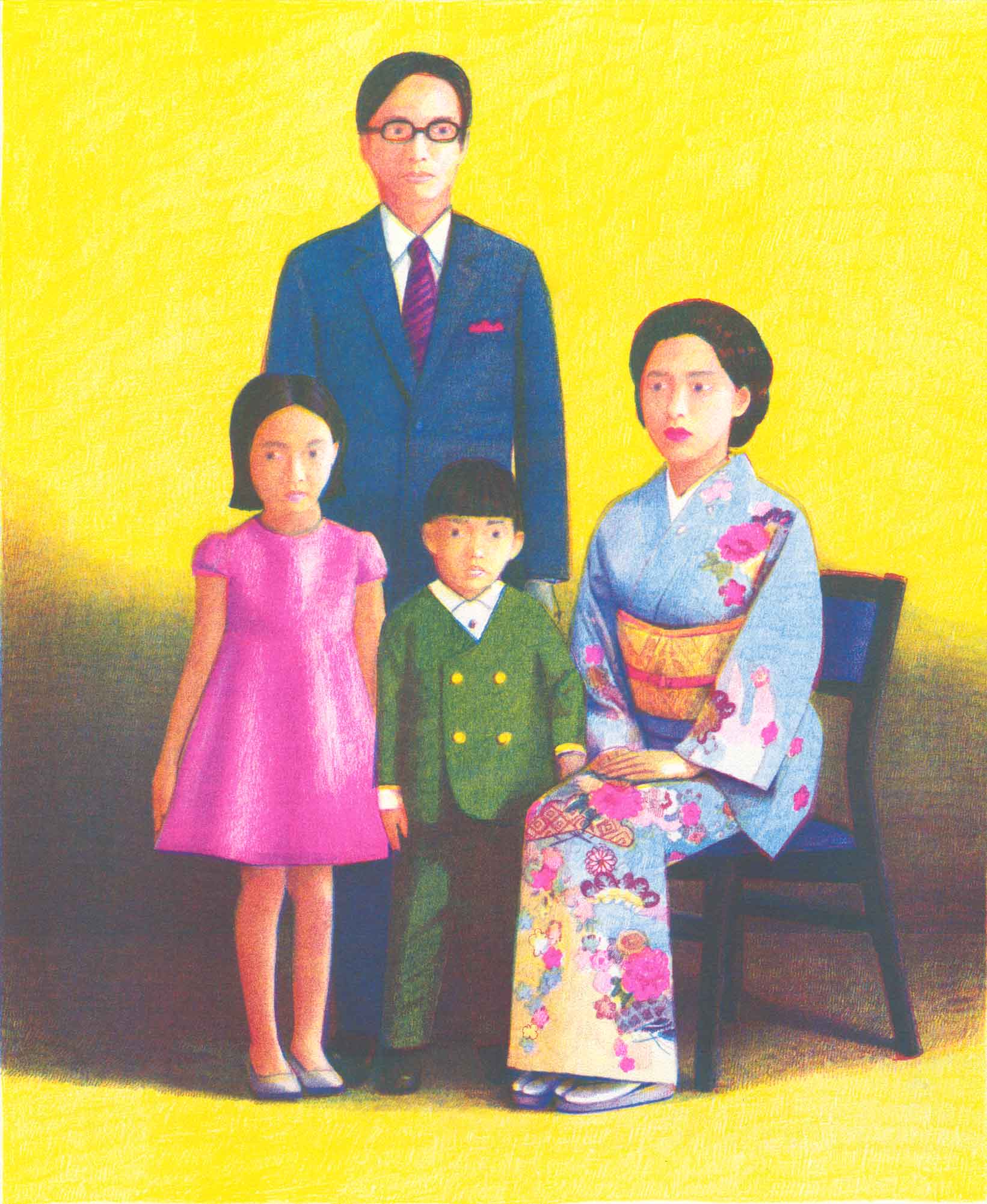
Mayumi Tsuzuki
Retrato de família
Retrato de família, de Mayumi Tsuzuki
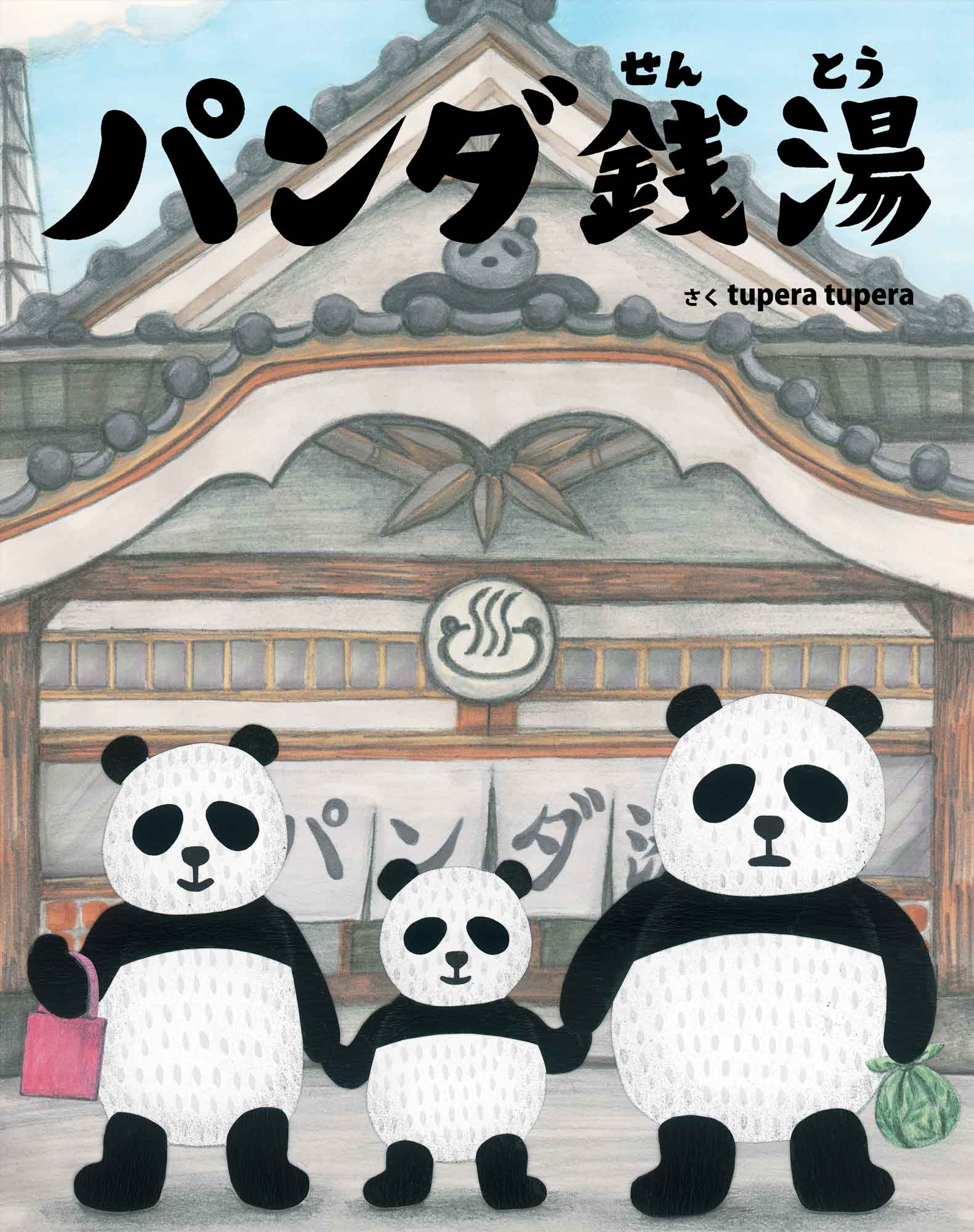
tupera tupera
Balneário Panda
Balneário Panda, de tupera tupera
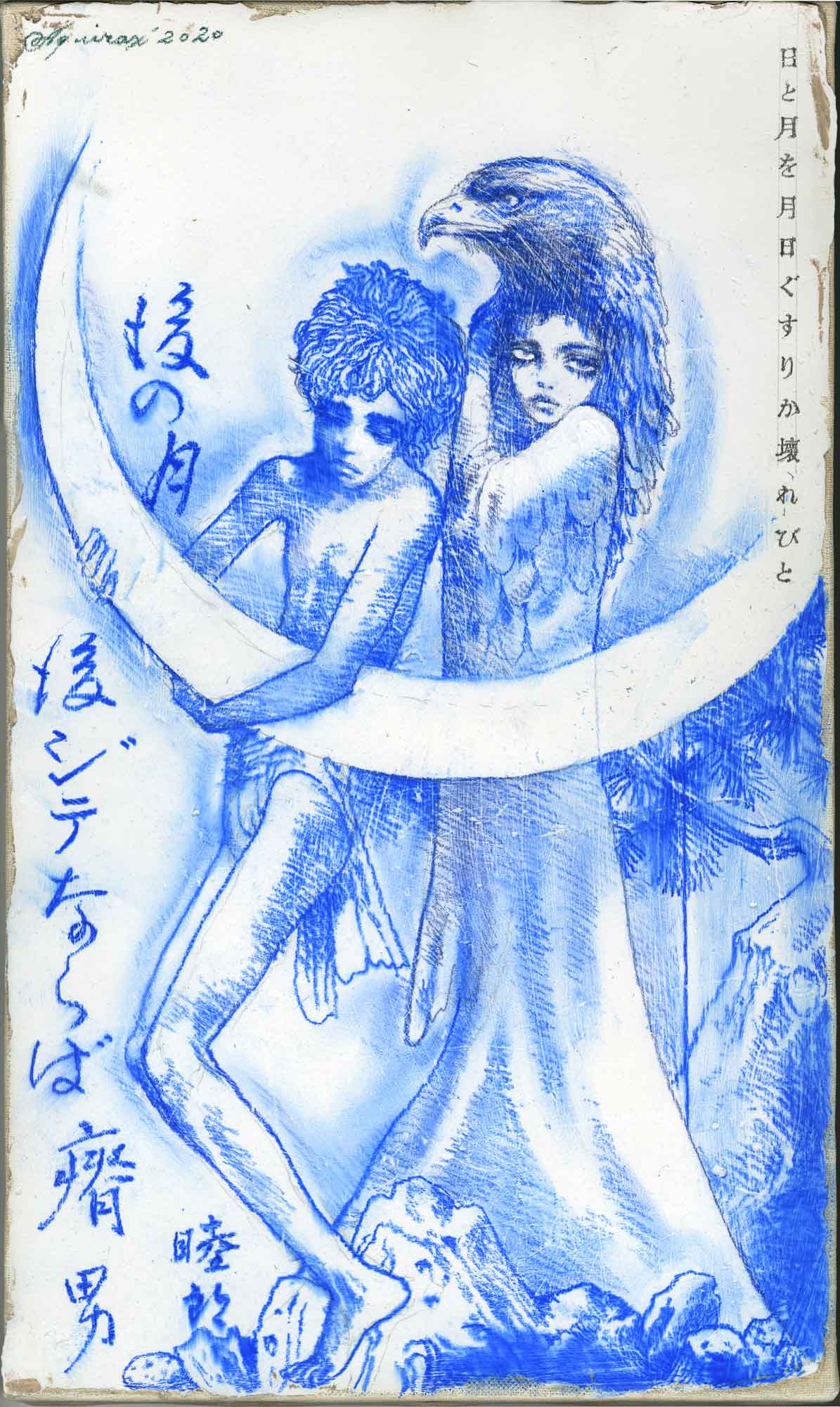
Akira Uno
Nochi no Tsuki Nochishitenaraba Yaseotoko (haiku)
Nochi no Tsuki Nochishitenaraba Yaseotoko (haiku), de Akira Uno
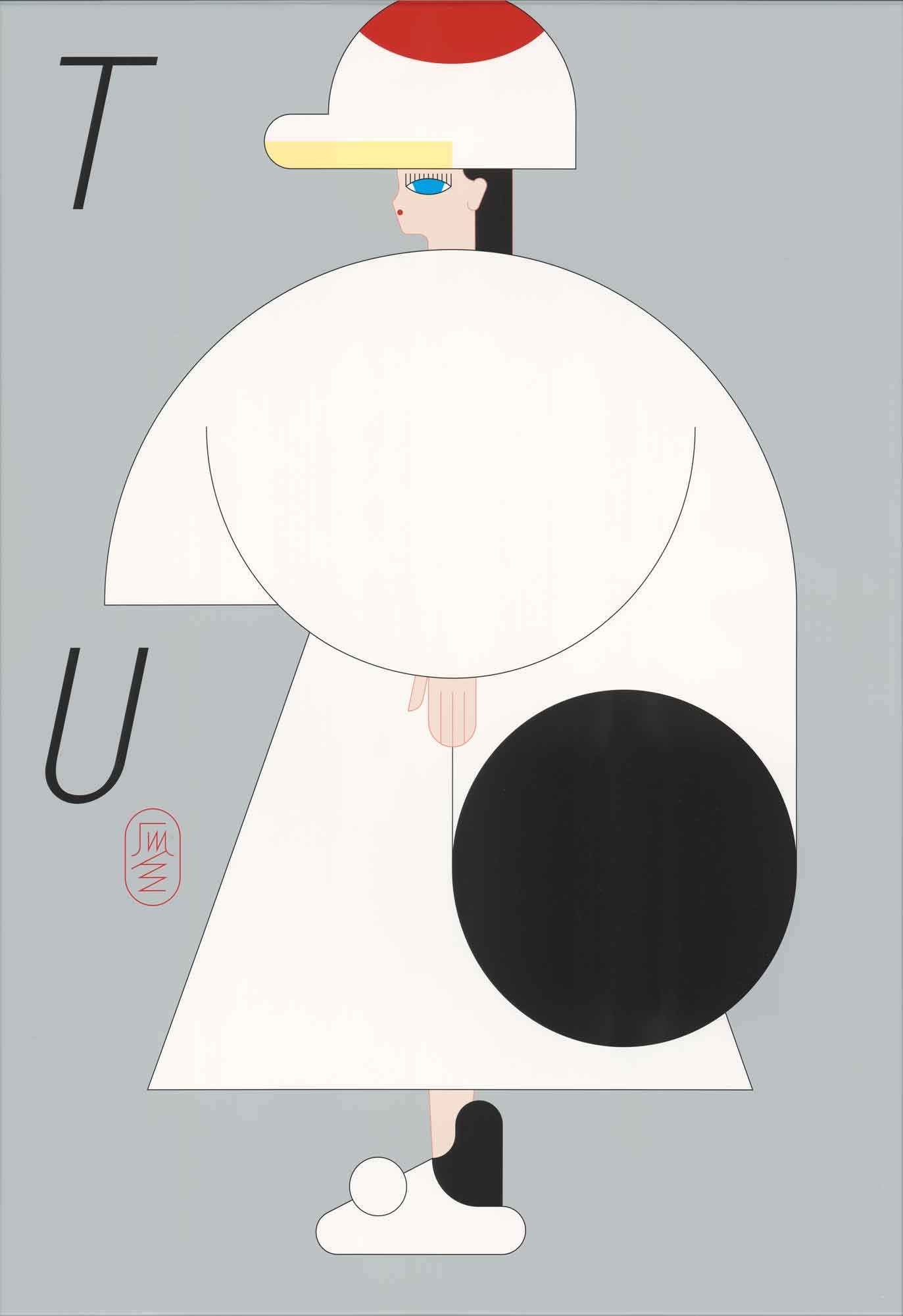
Taro Uryu
Traje de grou
Traje de grou, de Taro Uryu
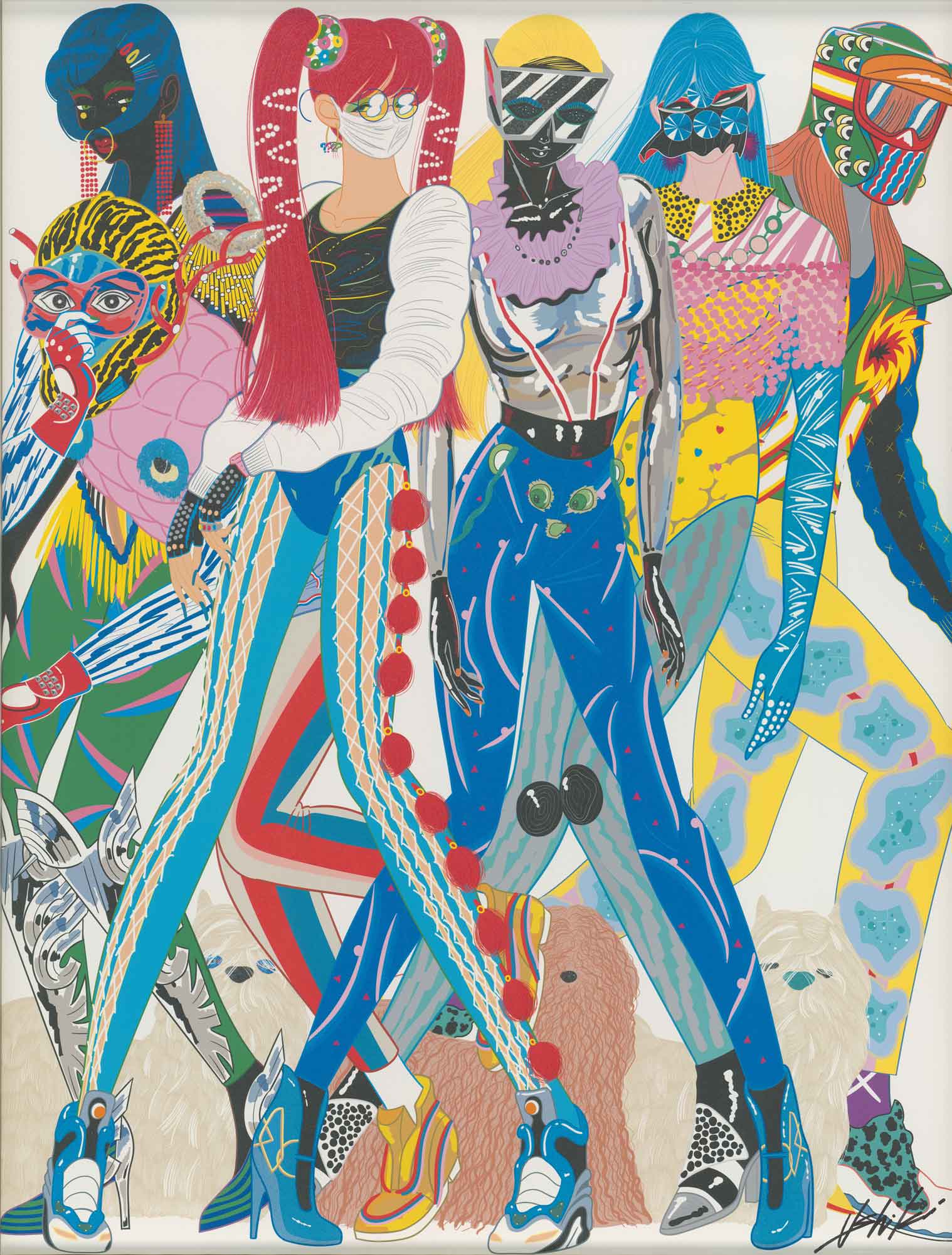
Masanori Ushiki
O novo jovem
O novo jovem, de Masanori Ushiki
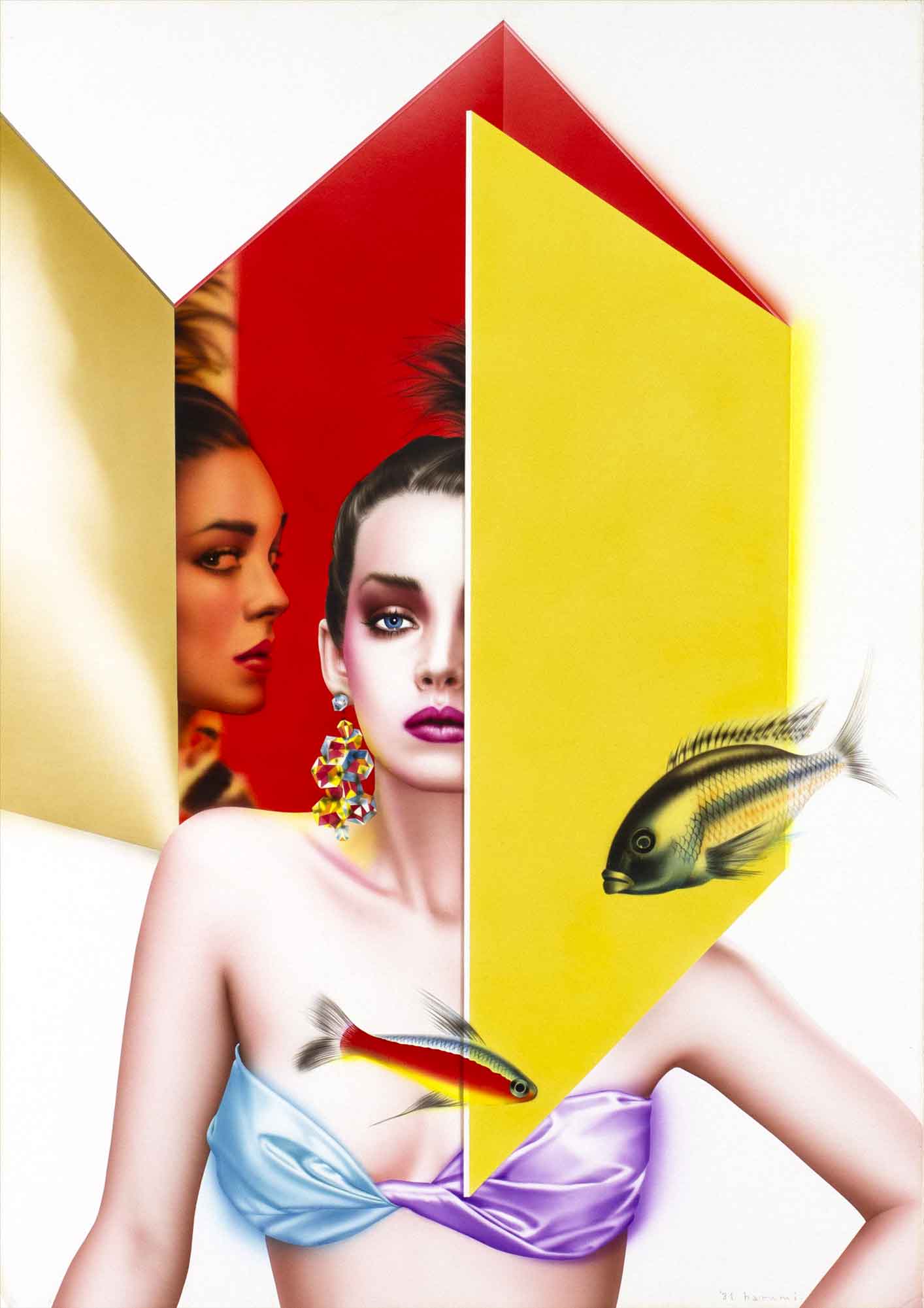
Harumi Yamaguchi
Peixe tropical
Peixe tropical, de Harumi Yamaguchi
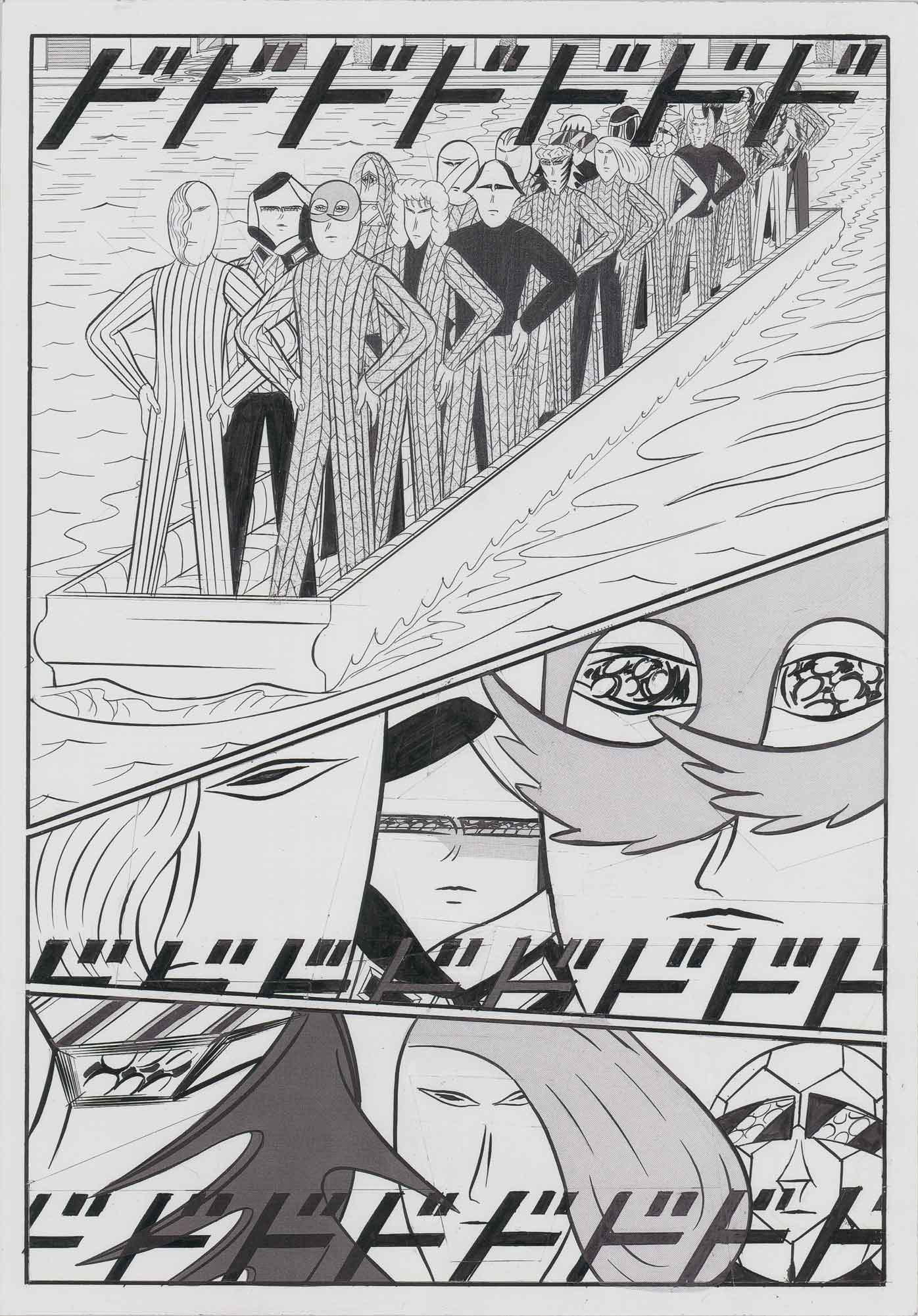
Yuichi Yokoyama
A sala do mapa-múnd
A sala do mapa-múnd, de Yuichi Yokoyama
Rina Yoshioka
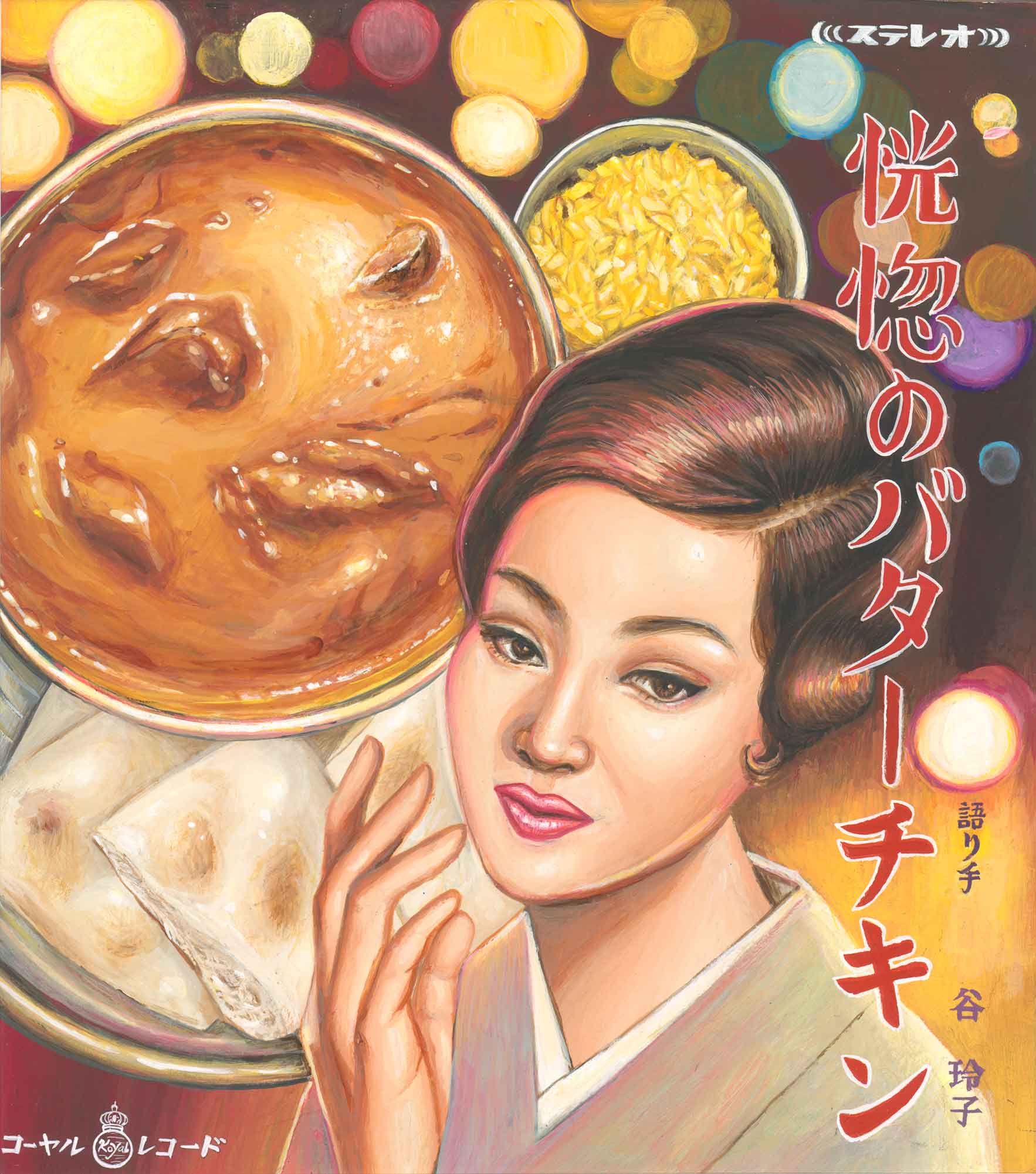
Frango na manteiga em êxtase
Frango na manteiga em êxtase, de Rina Yoshioka
Megumi Yoshizane
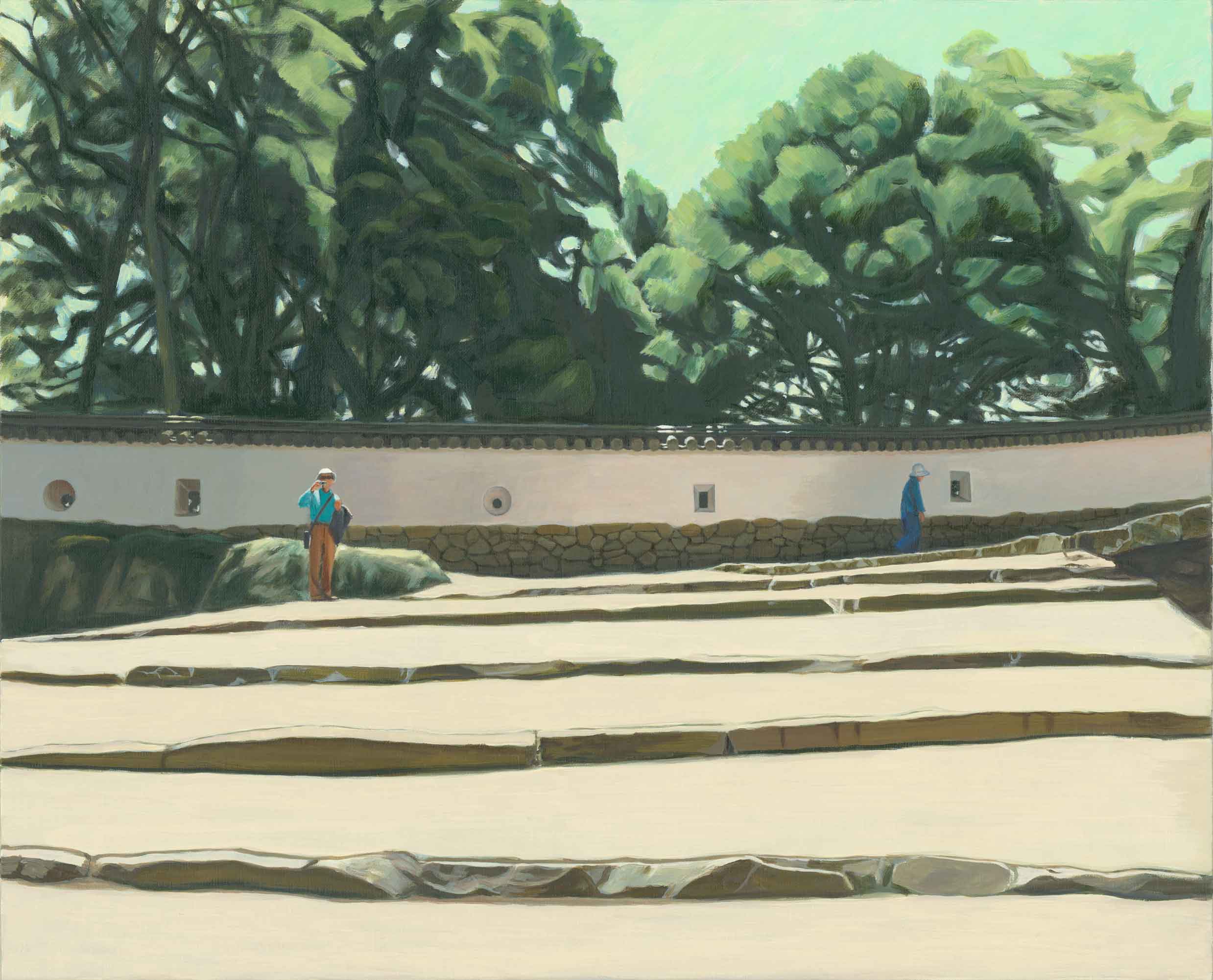
Castelo Bitchu – Matsumot
Castelo Bitchu – Matsumot, de Megumi Yoshizane
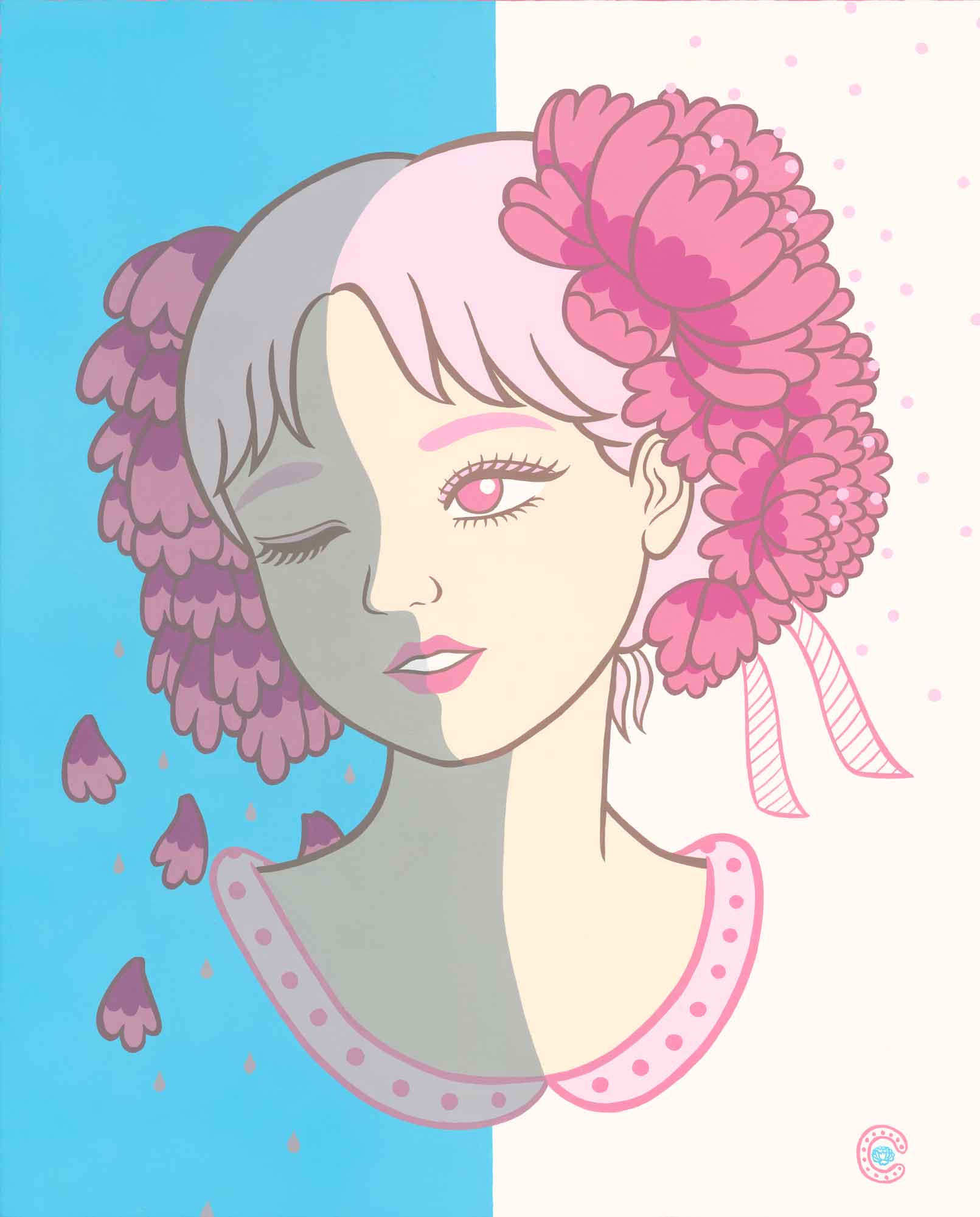
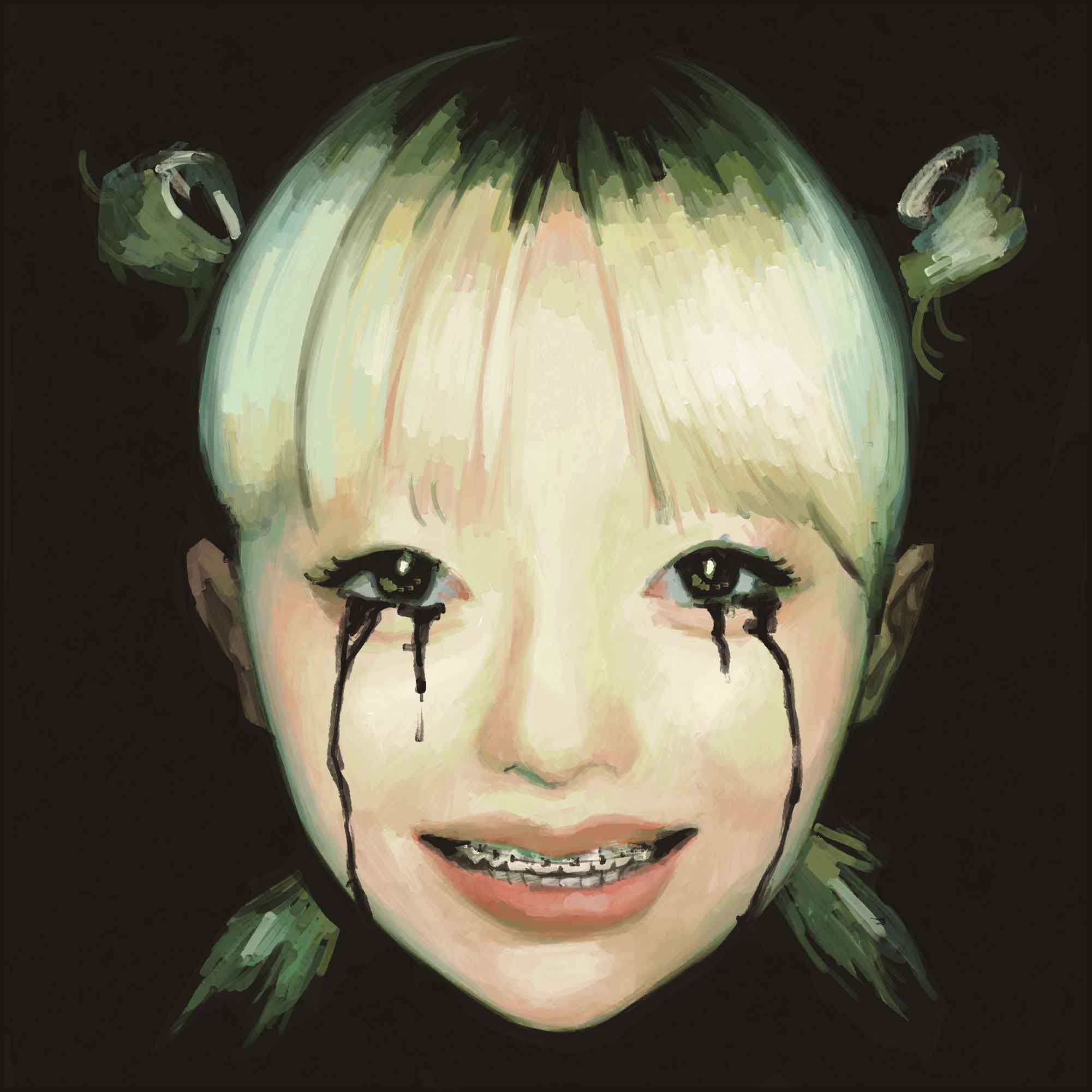
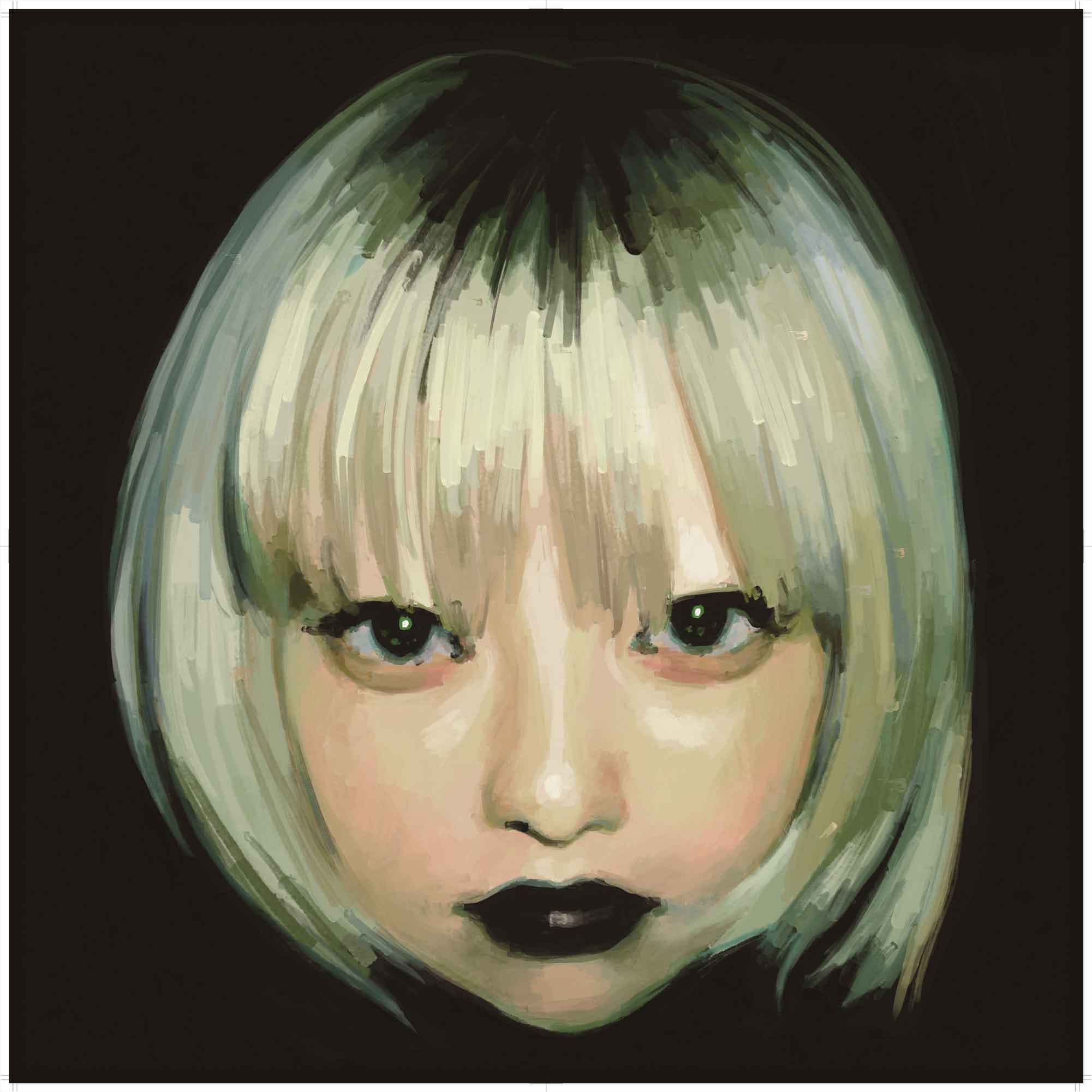
Mayu Yukishita
Sem título
Sem título, de Mayu Yukishita
Mayu Yukishita
Sem título
Sem título, de Mayu Yukishita
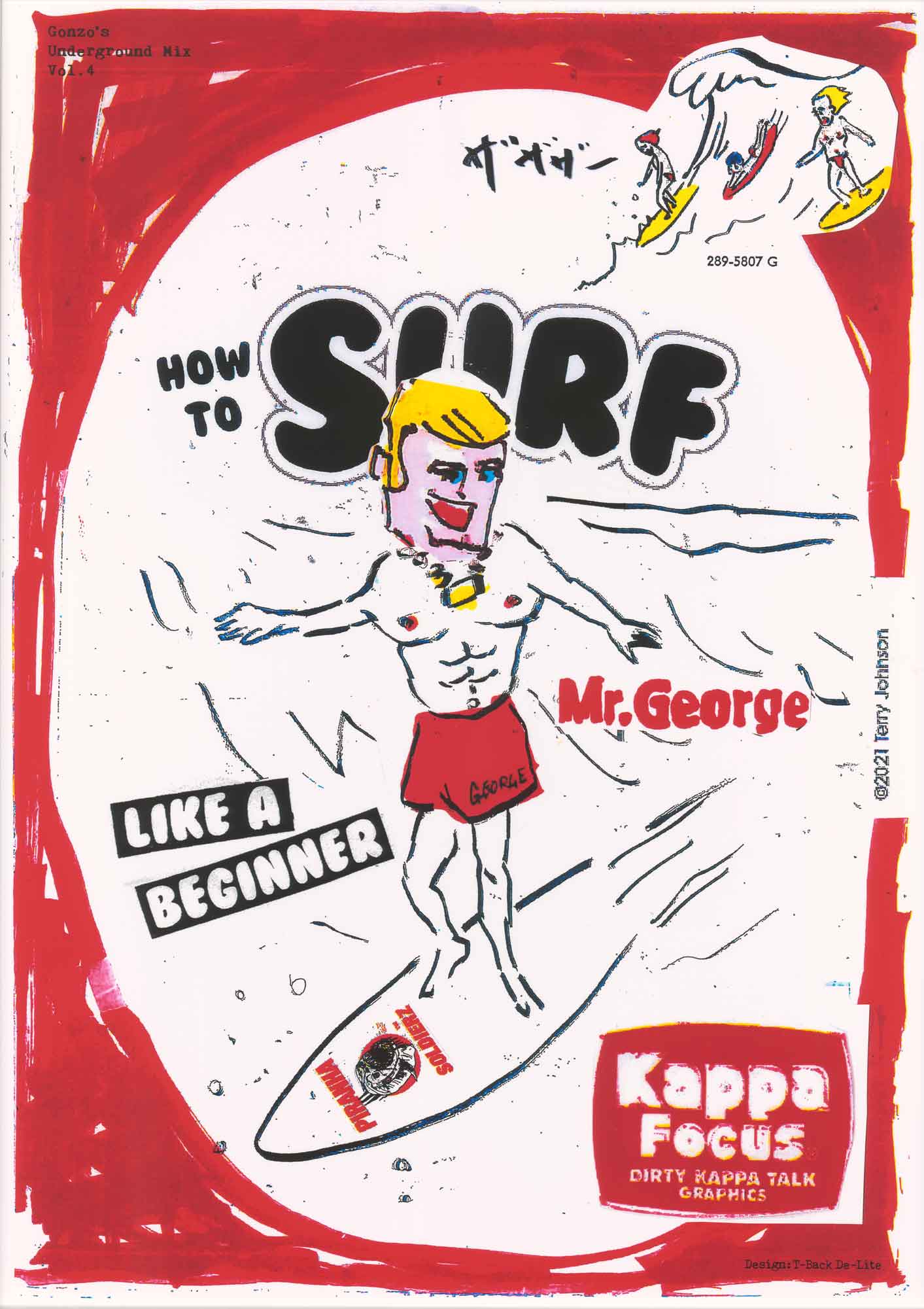
Teruhiko Yumura
Sem título (Sr. George)
Kintaro Takahasi
Garota de abril
Kintaro Takahasi

“Graphic art and illustration have a long history in Japan, and are vibrant forces in Japanese culture today. While many post-war artists were influenced by Western art and media, today’s graphic artists and illustrators are inspired by several diverse sources, including traditional Japanese paintings and ukiyo-e woodcuts, folk art, photography, architecture, fantasy, and pop art”, explain the curators and artists Kintaro Takahashi and Hiro Sugiyama.

Japan House’s Global Travelling Project

The exhibition on display at Japan House São Paulo is part of Japan House’s global traveling project, visiting the institution’s three headquarters around the world: Los AngelesSão Paulo, and ending in London.

Accessible JHSP

Exclusively in São Paulo, the exhibition will feature accessibility features such as audio descriptionssign language, and tactile elements developed exclusively for 12 of the works being presented. The initiative is part of Accessible JHSP, a program aimed at creating equal opportunities for everyone to fully immerse themselves in the content presented at the institution.

Styles that influence contemporary Japanese graphic arts

WAVE features veteran artists and newcomers working in several styles. The following are some of the most influential among them:

Manga/Anime

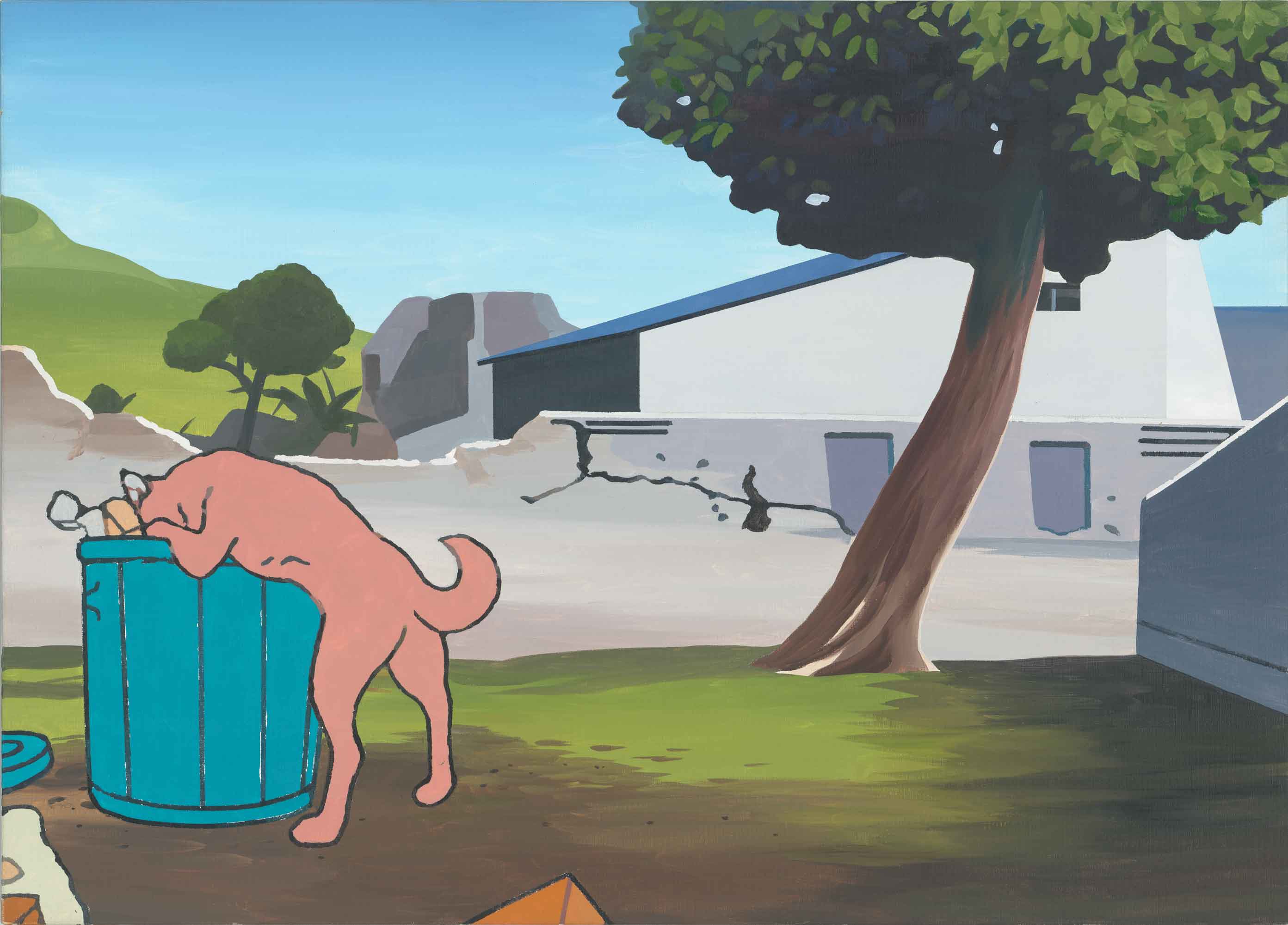
The illustration of Japanese comic books, known as manga, has deep roots in 12th-century painted scrolls, pre-modern woodcut books, and prints, as well as in early 20th-century magazines. After the Second World War, under the influence of American comics and cartoons, a modern style of manga was developed with visual conventions that are still present in Japanese comics and cartoons, the anime. The popular manga/anime style features strong lines, expressive speech balloons, unique framings, and abstract background effects that convey the atmosphere of the moment. Characters get large eyes, small mouths, and emotive details such as beads of sweat to show anxiety, bulging veins representing anger, and strong parallel lines to portray horror or disgust. In this exhibition, some of the artists working with this style are Kenichiro Mizuno, Katsuya Terada, and Motohiro Hayakawa.

Heta-uma

In the 1970s, a manga movement began underground with the magazine Garo, in which artists created illustrations that looked poorly drawn on purpose, as compared to the elegant aesthetics of popular manga. Known as heta-uma (“poorly drawn, but well-conceived”), the style was led and promoted by Teruhiko Yumura, Yoshikazu Ebisu, and Takashi Nemoto. This style has validated the work of many of the young contemporary graphic and manga artists, whose works seem rough around the edges but are very expressive from an emotional point of view. Although her style is highly refined, artist Suzy Amakane adheres to the spirit of heta-uma in this exhibition.

Pop Art

The pop art movement, which emerged in the 1950s in the US and UK, arrived in Japan shortly thereafter. Andy Warhol’s ability to unite the world of commercial art with fine art inspired Keiichi Tanaami, whose bold and dynamic drawings are filled with dreamlike figures, popular themes, and powerful characters. Along these same lines, Motohiro Hayakawa’s fantastical battle scenes evoke the pop art psychedelics of the 1960s and 1970s. Harumi Yamaguchi’s brilliant images of strong, free women graced Japanese advertising campaigns in the 1970s and 1980s, while Hiroshi Nagai’s vivid poolside scenes became iconic images, featured on 1980s album covers.

Photorealism

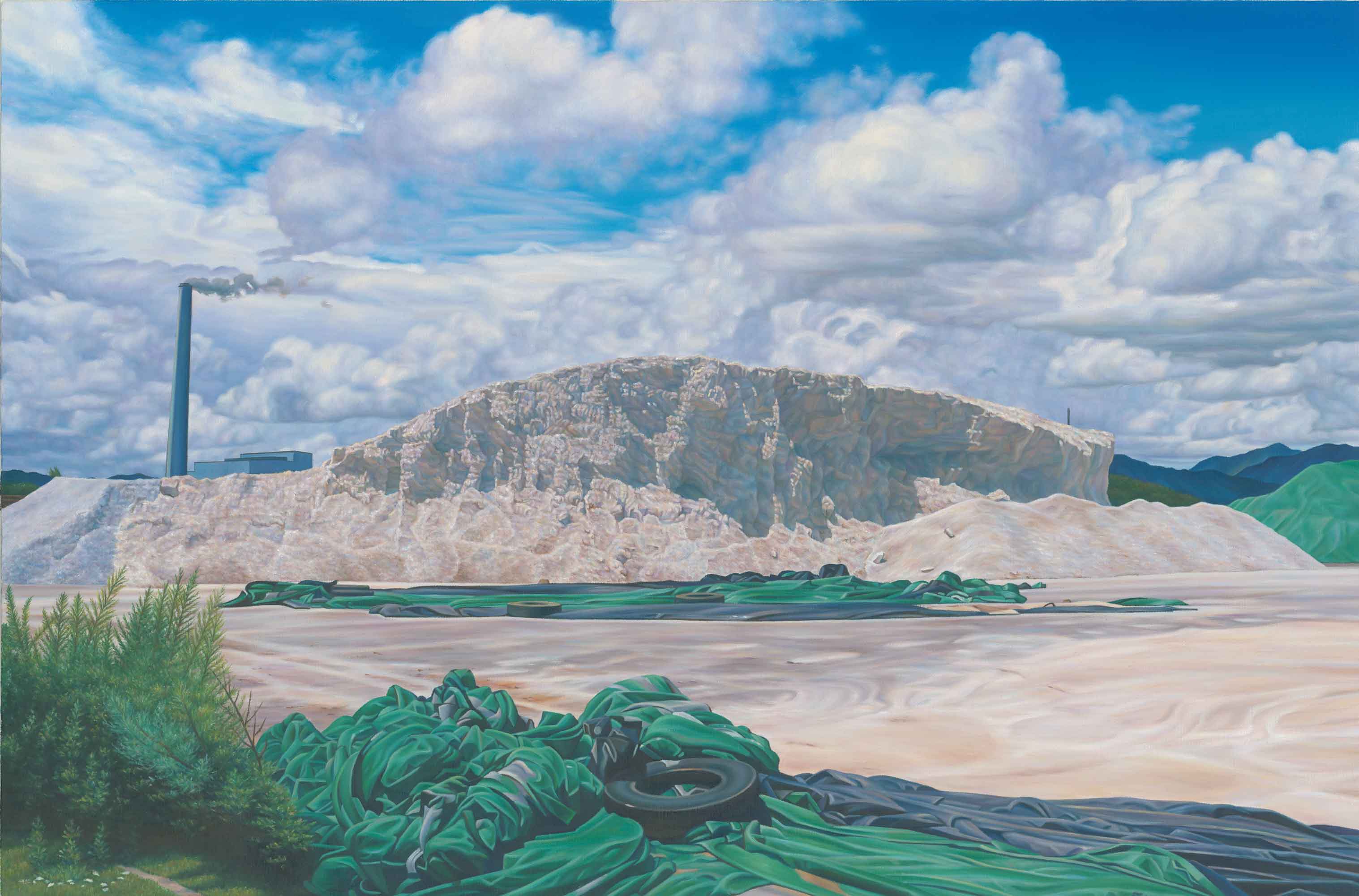
The photorealism movement was developed in the United States in the 1960s and 1970s from pop art, especially in response to abstract expressionism and the profusion of photography. It also inspired Japanese artists, including Hajime Sorayama, who portrayed female robots and mechanical dinosaurs in luminous detail, and Yoko Kawamoto, who transforms heaps of scrap and quarries into hyper-realistic landscapes. Mayu Yukishita has recently been recreating a darker reality with her “super-realistic” paintings.

Service

Second floor

Period: February 22 to May 1, 2022
Cost: free admission

The exhibition has accessibility features.

Advance online reservations are optional, but recommended: https://agendamento.japanhousesp.com.br/ 

Japan House São Paulo
Address: 
Avenida Paulista, 52 – Bela Vista, São Paulo

Opening hours:
Tuesday to Friday, 10 am to 6 pm
Saturdays, 9 am to 7 pm
Sundays, and banking holidays, 9 am to 6 pm

Japan House São Paulo remains closed on Mondays, without exception, including on holidays.

JHSP arrives first in your inbox!

Fortnightly, you will receive information about our online events, know more about current and future exhibitions, access exclusive content about architecture, culture, gastronomy, business, literature, technology, tourism… And much more!

Subscribe to the JHSP newsletter (in Portuguese) and learn more about the fascinating Japan of today with just a few clicks!

ADDRESS

Avenida Paulista, 52
Bela Vista – São Paulo / SP
Tel.: +55 11 3149-5187

OPENING HOURS

Tuesday to Friday | from 10:00 AM to 6:00 PM
Saturdays, Sundays, and holidays | from 10:00 AM to 7:00 PM
Monday* | CLOSED


Contact

[email protected]
+55 11 3149.5187

Digital Content
© JAPAN HOUSE SÃO PAULO